What Is Sport Tea? Ingredients, Caffeine, and How It Compares
On this page 8 sections
The most common mistake is assuming every sport tea is caffeine-free. SPORTea is decaf-equivalent, but CELSIUS Fizz Free Green Tea packs 200 mg of caffeine per can. That’s more than a Monster, so read the nutrition panel before you drink.
Here’s what sport tea actually is, what’s in it, and how it compares to the energy drinks you already know.
Sport Tea Is a Brewed Herbal Energy Drink
Sport tea is an herbal energy drink brewed from tea leaves, adaptogenic herbs, and electrolytes. It has little to no caffeine and no sugar, so it’s a gentler pick-me-up than a can of Monster or Celsius.
The name is not regulated, so formulas vary by brand. Most start with green or black tea, then add adaptogens like Eleuthero (Siberian ginseng) or Panax ginseng, plus yerba mate and a small electrolyte blend. Some are still, some are lightly carbonated, and many are cold-brewed to keep the flavor smooth.
| Type | What’s in it | Typical caffeine |
|---|---|---|
| Herbal sport tea | Green tea, adaptogens, electrolytes | 0–15 mg per 8 oz |
| Yerba mate sport tea | Yerba mate, green tea, herbs | 30–50 mg per 8 oz |
| Carbonated sport tea | Tea, herbs, carbonation, sometimes added caffeine | 50–200 mg per 12 oz can |
Check the Caffeine Before You Sip
Caffeine in sport tea ranges from 0 mg to 200 mg per serving, depending on the brand. SPORTea sits at the bottom, around 0 mg per tea bag, while a 12 oz can of CELSIUS delivers 200 mg.
| Drink | Serving | Caffeine |
|---|---|---|
| SPORTea (brewed) | 1 tea bag (8 oz) | 0 mg |
| Typical yerba mate sport tea | 8 oz | 30–50 mg |
| Monster Energy | 16 oz can | about 160 mg |
| CELSIUS | 12 oz can | 200 mg |
| NOS Energy | 16 oz can | about 260 mg |
| Drink | Caffeine per serving | Servings | Total |
|---|---|---|---|
| SPORTea (1 tea bag) | 0 mg | 1 | 0 mg |
| CELSIUS (12 oz can) | 200 mg | 1 | 200 mg |
| Monster (16 oz can) | 160 mg | 1 | 160 mg |
| Total | 360 mg | ||
| Daily limit for most healthy adults (400 mg) | 90% | ||
Why does the number matter? Too much caffeine can bring jitters, a racing heart, and poor sleep. If you have high blood pressure, keep your daily total under 200 mg unless your doctor says otherwise, and avoid sport tea in the late afternoon.
Most sport teas also skip taurine, the amino acid found in Monster and many energy drinks. If you want to know more about taurine, see taurine in energy drinks.
Read the Label for Sugar and Sweeteners
Most sport teas have zero sugar, but that doesn’t always mean zero sweeteners. Some brands, like CELSIUS, use sucralose to keep the drink sweet without the calories. SPORTeA skips sweeteners entirely, so the flavor comes from the tea and herbs themselves.
That matters because added sugar is the main reason many energy drinks are unhealthy. A regular 16 oz Monster packs about 54 g of sugar, more than double the daily limit for most women. That much sugar spikes your blood glucose, then drops it, leaving you tired and craving more. Sport tea gives you the lift without that crash.
If you’re choosing an energy drink for studying, you want steady focus, not a sugar high. Students often grab whatever’s cold and sweet, but a zero-sugar sport tea with modest caffeine keeps your energy level for a long study session. Check the label for sucralose or stevia if you want a sweet taste without the sugar.
| Drink (16 oz) | Sugar | Sweetener used |
|---|---|---|
| Regular Monster | 54 g | Sugar, glucose |
| CELSIUS | 0 g | Sucralose |
| SPORTeA | 0 g | None |
Some sport teas are lightly sweetened with honey or agave, which still count as added sugar. If you’re watching your blood sugar, choose an unsweetened version or brew your own. For more on picking a drink that fits your needs, see our guide to loaded tea during pregnancy.
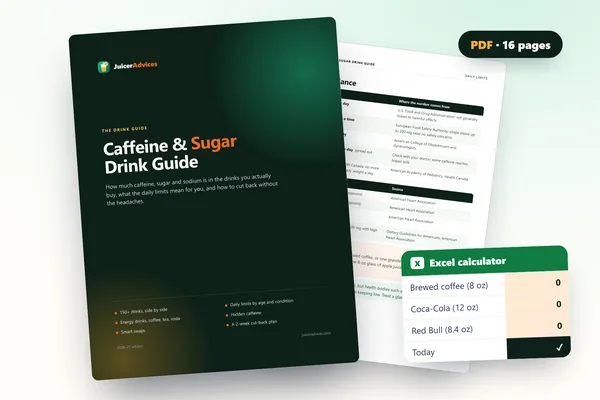 Caffeine & Sugar Drink GuideKnow exactly how much caffeine, sugar and sodium is in 150+ popular drinks, and set daily limits that fit you.Caffeine and sugar in 150+ drinksDaily limits, smart swaps and a cut-back planDaily caffeine and sugar calculator (Excel)
How Sport Tea Compares to Monster and NOS
Monster and NOS are carbonated, high-caffeine, high-sugar energy drinks. A 16 oz Monster has about 160 mg of caffeine and 54 g of sugar. NOS is similar, with roughly 160 mg of caffeine and 51 g of sugar per 16 oz. Sport tea is typically non-carbonated, lower in caffeine, and sugar-free.
What is in a Monster energy drink? Carbonated water, sugar, glucose, citric acid, taurine, caffeine, and B vitamins. Taurine is common in Monster and NOS, but rare in sport tea. Instead, sport tea leans on herbs like ginseng, yerba mate, and sometimes adaptogens for a gentler lift.
| Drink (16 oz) | Caffeine | Sugar | Carbonation | Taurine |
|---|---|---|---|---|
| Monster | 160 mg | 54 g | Yes | Yes |
| NOS | 160 mg | 51 g | Yes | Yes |
| Sport tea | 0–70 mg | 0 g | No | Rare |
For a gentler lift that won’t spike your blood sugar, sport tea wins. For a strong kick to power through a night shift or a long drive, Monster does the job. If you want the boost without the downsides, explore caffeine alternatives for energy that work with your body, not against it.
Health Effects of Sport Tea
Sport tea can be a healthier pick than a can of Monster, but it isn’t automatically good for you. The main benefits come from tea antioxidants, adaptogens that may ease stress, and electrolytes that help you rehydrate after a sweaty workout. The risks hinge on caffeine, herbal ingredients, and how your own body reacts.
Liver worries come up a lot with energy drinks. No evidence ties sport tea itself to liver damage or pancreatitis, but a very high caffeine load can stress the liver in rare cases. If you already have liver trouble, keep caffeine under 200 mg a day and ask your doctor before adding herbal blends.
Seizures are another concern. Caffeine lowers the seizure threshold, so anyone with epilepsy or a history of seizures should stay under 100 mg at a time and avoid stacking sport tea with other caffeine sources. For most people, up to 400 mg of caffeine a day is safe, but anxiety, a racing heart, or insomnia means you’re over your personal limit.
Diarrhea can happen for two reasons. Caffeine speeds up the gut, and some sport teas use sugar alcohols like erythritol, which draw water into the bowel. If a certain brand sends you running, switch to a decaf version or one sweetened with stevia or monk fruit.
How to Choose a Sport Tea
Start with caffeine, because that’s where most people go wrong. If you want a lift for a workout or a long drive, a tea with 50 to 100 mg of caffeine works for most people. For evenings or if you’re sensitive, pick a decaf or caffeine-free blend, and check the label—some “sport teas” still pack 200 mg per can.
Next, look at sweeteners. Zero sugar is common, but sugar alcohols like erythritol or xylitol can cause bloating and gas. Stevia and monk fruit are gentler on the gut. If you’re managing blood sugar, avoid maltodextrin or fruit juice concentrates high on the ingredient list.
Electrolytes matter if you sweat heavily or exercise in heat. Look for at least 100 mg of sodium and 30 mg of potassium per serving. If you mostly sit at a desk, plain tea is fine—you don’t need the extra minerals.


For fatigue that goes past morning grogginess, a moderate caffeine sport tea helps, but tiredness that lasts all day points to sleep and iron first. Caffeine alternatives for energy like B vitamins or a brisk walk can do the job without the stimulant.
Make Your Own Sport Tea at Home
Homemade sport tea costs about 25 cents per 12 oz glass and lets you control the caffeine, sugar, and salt. You don’t need matcha, adaptogen powders, or anything from a specialty shop. A basic green tea bag, a slice of fresh ginger, and a pinch of table salt do the job.
For a smoother, less bitter brew, cold-steep the same tea bag in 8 oz of cold water in the fridge for 8 to 12 hours. Cold brewing pulls out fewer tannins, so the tea tastes rounder and never needs sweetener to cover harshness.
| Option | Caffeine per 8 oz | Cost per serving |
|---|---|---|
| Green tea bag | 30–50 mg | about 15¢ |
| Herbal tea bag | 0 mg | about 10¢ |
| Store-bought sport tea | 0–200 mg | varies by blend |
If you want more of an energy drink feel without extra caffeine, add a squeeze of lemon and a few drops of stevia. The acid brightens the ginger, and the stevia gives the sweet hit you may be used to from a can.