Pure Pressed Apple Juice: The Ultimate Guide to Fresh, Natural Goodness
On this page 8 sections
- What Makes Pure Pressed Apple Juice Special?
- How Pure Pressed Apple Juice Is Made
- Choosing the Best Pure Pressed Apple Juice
- Creative Ways to Enjoy Pure Pressed Apple Juice
- Storage and Handling
- What Is The Difference Between Apple Cider And Apple Juice
- Is Pressed Apple Juice Good For Blood Health
- How To Store Homemade Pressed Apple Juice Safely
Pure pressed apple juice is made by mechanically pressing fresh apples to extract their juice without additives, preserving natural flavor and nutrients.
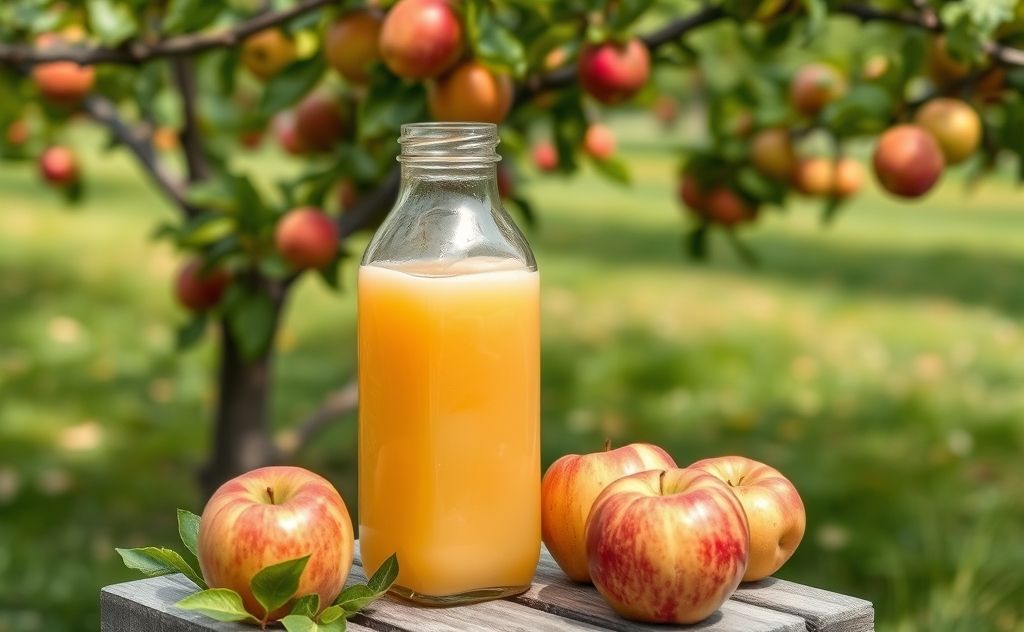
Pure pressed apple juice represents the pinnacle of fresh fruit beverages – an unfiltered, unpasteurized drink made by mechanically pressing fresh apples. Unlike processed apple juices, pure pressed versions retain more nutrients, enzymes, and authentic apple flavor.
What Makes Pure Pressed Apple Juice Special?
Pure pressed apple juice stands apart from conventional apple juices through its minimal processing. The juice comes from:
- Freshly harvested apples (often organic)
- Cold-pressing methods that preserve nutrients
- No added sugars or preservatives
- Unfiltered pulp that contains beneficial fiber
Brands like Lakewood Organic use 10-12 apples per bottle, capturing the fruit’s complete nutritional profile. The result is a beverage that tastes remarkably like biting into a fresh apple.
Nutritional Benefits
Pure pressed apple juice offers:
| Nutrient | Benefit |
|---|---|
| Polyphenols | Powerful antioxidants that combat inflammation |
| Vitamin C | Supports immune function and skin health |
| Potassium | Essential for heart health and muscle function |
| Dietary Fiber | Promotes digestive health (in unfiltered versions) |
How Pure Pressed Apple Juice Is Made
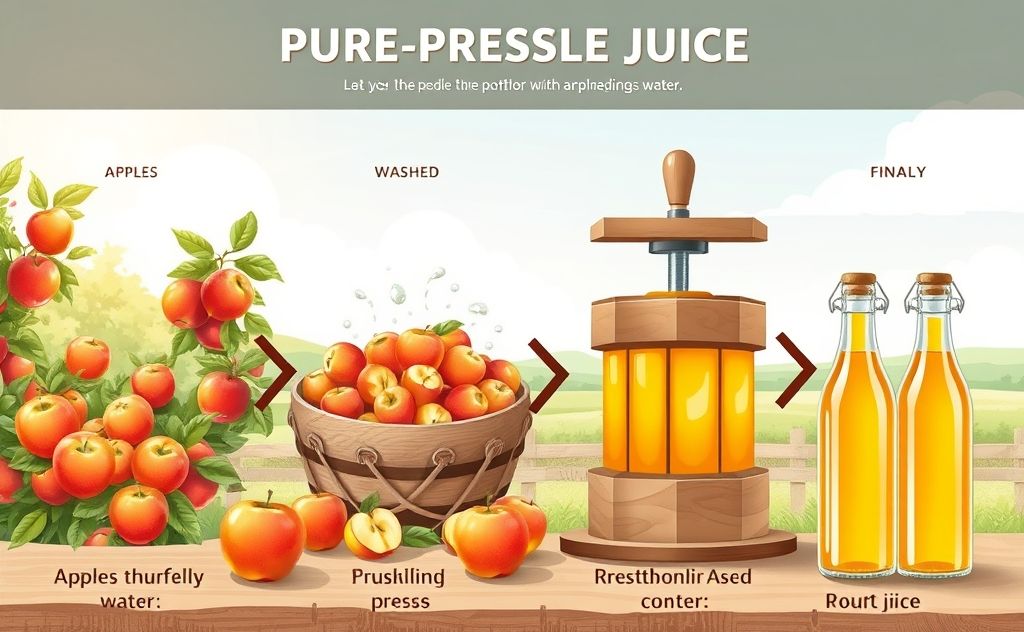
The production process significantly impacts juice quality:
- Apple Selection: Farmers pick apples at peak ripeness, often using heirloom varieties like Fuji, Gala, and Granny Smith.
- Washing & Sorting: Apples undergo thorough cleaning to remove debris.
- Pressing: Apples get crushed in a slow masticating juicer or hydraulic press to extract juice.
- Minimal Processing: The juice may undergo light filtration but avoids pasteurization when sold fresh.
Some premium producers like Tree Top use a “3 Apple Blend” combining sweet, tart, and aromatic varieties for balanced flavor.
Fresh vs. Shelf-Stable
You’ll find two main types:
- Refrigerated: Must stay chilled and lasts about 2 weeks opened (7 days for some brands)
- Shelf-Stable: Pasteurized for longer storage but loses some nutrients
Choosing the Best Pure Pressed Apple Juice
Follow these tips when selecting:
- Look for “unpasteurized” on the label for maximum nutrients
- Check for cloudy appearance – indicates unfiltered pulp
- Organic certification ensures no pesticide residues
- Glass bottles prevent chemical leaching (BPA-free if plastic)
For large quantities, consider a commercial-grade juicer to make your own fresh batches.
 Home Juicing Starter KitMake fresh juice that tastes good, costs less and keeps safely: 40 recipes with exact amounts, a yield chart and a 4-week plan.40 juice, smoothie and shot recipesYield, storage and food-safety chartsCost, yield and shopping-list calculator (Excel)
Creative Ways to Enjoy Pure Pressed Apple Juice
Beyond drinking it’straight:
- Mix with sparkling water for a healthy soda alternative
- Use as base for smoothies or cocktails
- Make apple juice ice cubes for flavored water
- Reduce into syrup for pancakes or desserts
- Ferment into hard cider or apple cider vinegar
According to FDA guidelines, a 8oz serving of 100% apple juice counts as one fruit’serving, though whole fruits provide more fiber.
Storage and Handling
To maintain quality:
- Refrigerate immediately after opening
- Consume within 7-14 days (check label)
- Shake well before serving to redistribute pulp
- Freeze in airtight containers for longer storage
Pure pressed apple juice offers an authentic taste of fresh apples with nutritional benefits that mass-produced juices can’t match. Whether you buy premium brands or make your own with a quality juicer, it’s a delicious way to enjoy nature’s bounty.
Related pick: Check price on Amazon
What Is The Difference Between Apple Cider And Apple Juice
Apple cider and apple juice both come from the liquid pressed from fresh apples, but they differ in processing. Apple cider is usually filtered and pasteurized, resulting in a clearer, longer-lasting product with a milder taste. Pure pressed apple juice, on the other hand, is often unfiltered and may be unpasteurized, preserving more natural enzymes, nutrients, and a cloudier appearance. This minimal processing gives pure pressed apple juice a fresher, more authentic apple flavor but a shorter shelf life.
Is Pressed Apple Juice Good For Blood Health
Pure pressed apple juice can support blood health in moderate amounts due to its potassium content, which helps regulate blood pressure and muscle function. It also contains polyphenols, antioxidants that may reduce inflammation and improve blood vessel function. However, it contains natural sugars that can affect blood sugar levels, so people with diabetes or blood sugar concerns should monitor their intake and talk to their healthcare provider. Drinking about 8 oz (one glass) a day fits within a balanced diet for most healthy adults.
How To Store Homemade Pressed Apple Juice Safely
Homemade pressed apple juice should be refrigerated immediately after pressing to slow bacterial growth and preserve freshness. Store it in airtight glass containers to avoid flavor changes and contamination. Consume the juice within 3 to 5 days for best quality. You can also freeze it in airtight containers or freezer-safe bags for longer storage, up to 3 months, but expect some texture and flavor changes upon thawing. Avoid leaving homemade juice at room temperature for extended periods to prevent spoilage.