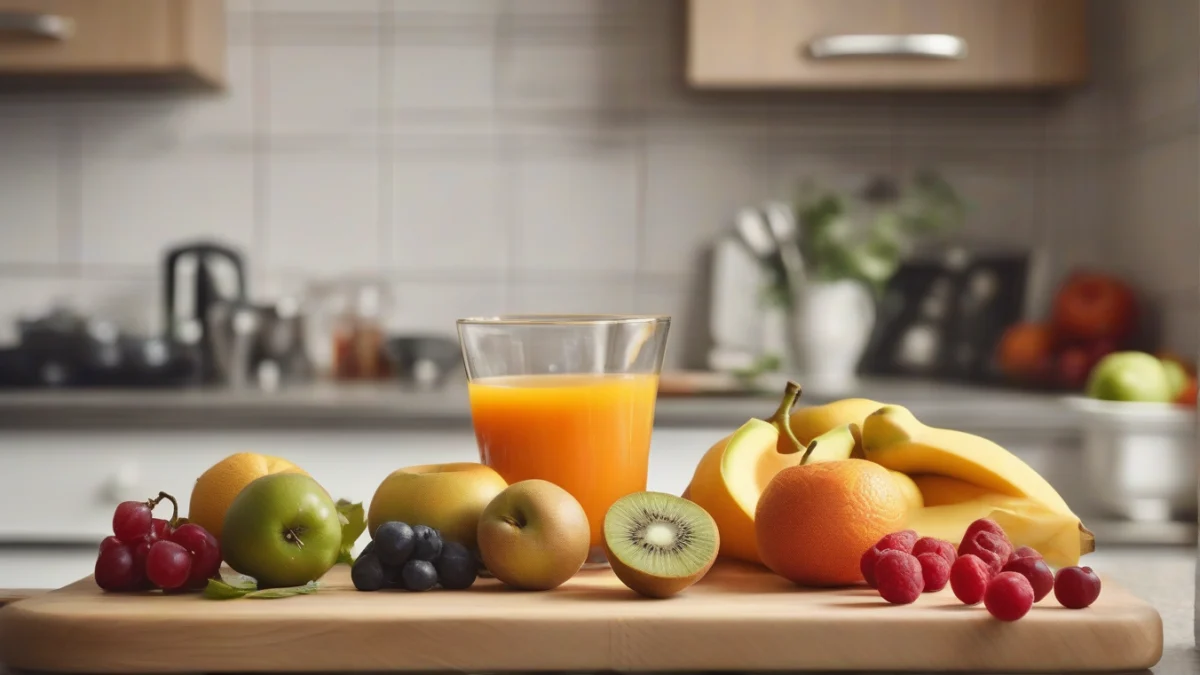
Jungle juice is a large-batch party punch mixing fruit juice, fresh fruit, soda, and often several spirits. You can make a 12-cup batch in about 15 minutes, perfect for sharing at gatherings.
Jungle juice is a communal punch popular at parties, known for its fruity flavor and variable alcohol strength. It’s served from a large container and customized by each host with different juices, fruits, mixers, and spirits.
Understanding the basics helps you make a balanced batch that tastes great and keeps guests safe. This guide shows you how to prepare, serve, and store jungle juice, plus health-conscious variations and common pitfalls.
The essentials
Jungle juice combines juice, fresh fruit, soda, and spirits for a fruity party punch served in large batches.
Use a reliable ratio: about 4 parts juice, 1 part alcohol, and 1 part fizzy mixer, adjusting sweetness and strength by taste.
Serve in a dispenser with a spigot for cleaner pouring and keep it chilled to maintain flavor and safety.
Swap ingredients to reduce sugar, ease digestion, or meet kidney-friendly needs without losing the punch’s character.
Label alcoholic and nonalcoholic batches clearly and never serve to underage guests or those avoiding alcohol.
What Jungle Juice Is and How to Make It
Jungle juice is a punch-style party drink that mixes fruit juices, fresh fruit, soda, and various spirits. It’s known for its fruity flavor and high alcohol content, often made in large batches for group events. The exact ingredients vary widely, but the goal is a sweet, colorful, and potent drink that serves many.
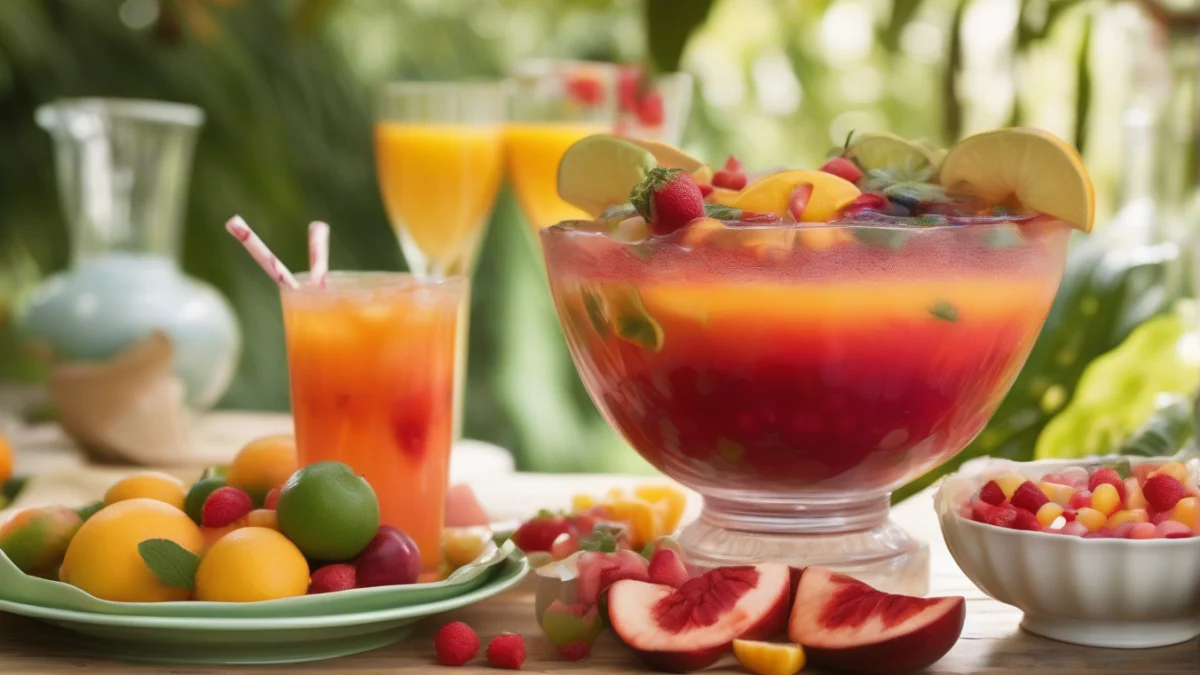
A fruity jungle juice punch ready for serving at a party.
Typical jungle juice combines a base of juice—like pineapple, orange, or cranberry—with chunks of fresh fruit such as berries, citrus slices, and melon. Soda adds fizz and sweetness, while a mix of spirits like vodka, rum, and sometimes tequila rounds out the punch.
To prepare jungle juice, combine fruit juices like orange or pineapple with chopped fresh fruit and soda for fizz. Add spirits such as vodka, rum, or fruit-flavored liquors. Chill the mixture before serving in a large container or punch bowl so the flavors meld and the drink stays cold.
To make about 12 cups, start by pouring 8 cups of your chosen juice blend into a large bowl or beverage dispenser. Next, add 2 cups of your preferred alcohol mix. Then, gently stir in 2 cups of soda, like lemon-lime or ginger ale, for fizz.
Add at least 2 cups of chopped fresh fruit to the punch to boost flavor and brighten the look. Chill the punch for at least an hour before serving so the flavors blend and it stays refreshingly cool.
Serve jungle juice in clear glasses or sturdy plastic cups with ice to keep it refreshing. A large beverage dispenser with a spigot is ideal for parties, making it easy for guests to serve themselves.
Helpful resource
The Ultimate Jungle Juice Recipe Book
The Ultimate Jungle Juice Recipe Book offers over 100 recipes and tips that make mixing and customizing jungle juice quick and fun.
5–12 cups mixed fruit juices (orange, pineapple, cranberry) — chilled
1–2 cups soda or sparkling water — chilled (optional)
Fresh fruit for steeping and garnish: oranges, pineapple, berries
1–2 bottles of spirit(s) of choice (vodka, rum, or tequila) — optional
Large bowl or beverage dispenser (at least 2–3 gallons for a big batch)
Ladle and long-handled spoon, cutting board and sharp knife
Ice in a separate bin or bucket (avoid melting into the whole batch)
Measuring cups, pitcher for mixing single-serve, and cups
1
Pick your base and chill
Choose two to three fruit juices you like and chill them ahead; citrus plus a sweeter juice balances well.
2
Prep fruit and mixer
Slice oranges and pineapple, hull berries if using, and place fruit in the dispenser so it can steep.
3
Mix juices and optional soda
Combine the chilled juices in the dispenser, add soda or sparkling water if you want fizz, and stir gently.
4
Add spirits last and keep cold
If using alcohol, pour it in just before serving and keep the container on ice; leave some unmixed alcohol for guests who want stronger drinks.
5
Serve safely
Ladle into chilled cups over ice from a separate ice bucket; label alcoholic and nonalcoholic portions clearly.
How to Adjust Jungle Juice for Health Needs
You can make jungle juice lower in sugar by swapping sugary soda for sparkling water or a diet soda and choosing juices with no added sugar. This cuts calories and reduces the risk of blood sugar spikes.
To make jungle juice gentler on the stomach, use mild fruits like melon, pear, or peeled apples instead of citrus fruits like orange or pineapple, which are more acidic and may irritate reflux or gastritis.
For kidney-friendly jungle juice, avoid high-potassium fruits such as bananas, oranges, and kiwi. Choose lower-potassium options like berries and grapes. Also, limit spirits that are higher in potassium or sugar to protect kidney function.
Non-alcoholic versions can be just as festive and safe, especially if you’re avoiding alcohol for health or medication reasons. Use extra juice, sparkling water, and fresh fruit to create a flavorful punch without spirits.
If you have specific health concerns or are awaiting a medical procedure, always check your healthcare provider’s advice on alcohol and sugar intake. They can help tailor jungle juice to your personal needs.
Adjusting for health
Swap juices for no-sugar-added versions, use more sparkling water and less juice, and offer a separate alcohol-free pitcher so guests who limit sugar or alcohol can pour safely.
Myth
Jungle juice is always stronger and more intoxicating than bottled drinks
Fact
Strength varies by recipe; a batch with little or no added spirits is mild, while one with a high spirits-to-juice ratio is potent. Always check how much alcohol you add and label the batch.
Common Mistakes That Ruin Jungle Juice
Avoid adding alcohol before chilling the mixture, as it dilutes the flavor and can make the punch taste watery. Always chill juice and soda first.
Using loose ice directly in the punch bowl causes it to melt quickly, watering down the drink. Instead, add ice to individual cups to keep the punch’s taste intact for longer.
Not measuring the alcohol leads to a punch that’s either too strong or too weak. Use a jigger or measuring cup to keep the balance just right, so guests enjoy consistent flavor and strength.
Failing to label or separate alcoholic and nonalcoholic batches can cause confusion and unintended drinking. Clearly mark which containers contain alcohol, and offer a separate nonalcoholic version if needed.
Ignoring food safety with fresh fruit and leftovers risks bacterial growth. Wash all fruit thoroughly before adding it, and refrigerate any leftover jungle juice in a sealed container, using it within 24 hours.
From JuicerAdvices · our own guidePage 16 lists who should be careful with fresh juice; page 6 has the food-safety steps.Home Juicing Starter KitMake fresh juice that tastes good, costs less and keeps safely: 40 recipes with exact amounts, a yield chart and a 4-week plan.40 juice, smoothie and shot recipesYield, storage and food-safety chartsCost, yield and shopping-list calculator (Excel)$14.99$9.99Get it for $9.99See what's inside and watch the 2-minute video →18-page printable PDF + Excel calculator · instant download · 30-day refund
How Much Jungle Juice to Make and Serve Safely
Plan on serving about 8 to 12 ounces (1 to 1.5 cups) of jungle juice per guest to keep portions manageable and consistent.
Use punch dispensers with spigots for cleaner pouring and better portion control, reducing spills and cross-contamination.
Chill all liquid ingredients before mixing. Add ice to individual cups instead of the punch bowl to prevent dilution and keep the punch flavorful longer.
Label all containers clearly with their contents and alcohol strength. Keep jungle juice out of reach of children and anyone avoiding alcohol.
Jungle juice can vary in alcohol strength depending on the recipe. Measure spirits carefully and adjust if needed to ensure safe serving, especially when guests may drink multiple servings.
Standard drink if 1.5 oz spirits are in 8 oz punch
1.5 oz
1
1.5 oz
Total
21.5 oz
Estimate how much fluid (and how many standard spirit servings) are in each cup so guests and hosts can track intake. Totals are calculated from the amounts shown; labels vary by size and brand, so check the one you have.
When to call your doctor
Call your clinician or local emergency number if any guest shows these signs after drinking from the punch.
Slowed or stopped breathing, blue lips or face, or unresponsiveness
Severe vomiting with inability to keep fluids down
Confused, combative, or very hard to wake
Severe allergic reaction: swelling of face or throat, trouble breathing
Checklist Before Your Jungle Juice Party
Before serving jungle juice, confirm that all ingredients are fresh and properly chilled. Fresh fruit should be washed thoroughly and cut to remove seeds and pits to avoid choking hazards and bitterness.
Fresh, washed fruit and precise juice measurements ensure a safe jungle juice party.
Measure the alcohol carefully using a jigger or measuring cup to keep track of the total alcohol content per batch. This ensures consistent potency and helps guests enjoy responsibly.
Set up dispensers on a stable surface and test spigots or taps before the party starts to avoid spills and delays. Make sure they flow smoothly and close securely.
Label each batch clearly, distinguishing alcoholic from nonalcoholic versions. This prevents confusion and ensures guests can choose what suits them.
Provide plenty of water alongside the punch and offer some snacks or food. Drinking water helps guests stay hydrated, and food slows alcohol absorption for safer enjoyment.
Party Preparation Tip
Keep smaller serving cups nearby to encourage moderate pouring and reduce waste.
More Questions, Answered
What is jungle juice made of?
Jungle juice combines multiple fruit juices, fresh fruit pieces, soda for fizz, and often several types of alcohol. The mix varies widely but usually includes citrus juices and a blend of spirits like vodka, rum, or whiskey for a punchy flavor.
Can jungle juice be non-alcoholic?
Yes, you can make a non-alcoholic version by simply omitting the spirits and using extra fruit juice or flavored sparkling water instead. This keeps the festive look and taste without any alcohol content.
How strong is jungle juice usually?
The strength depends on how much alcohol you add, but it typically ranges from moderate to strong, as it blends several types of spirits. To control the potency, measure the alcohol carefully and balance it with juices and soda.
What container is best for serving jungle juice?
A large clear glass or plastic punch bowl works best for serving jungle juice. It allows guests to see the colorful fruit and easily ladle their portion, while keeping the punch chilled if placed over ice.
How long does jungle juice keep after mixing?
Once mixed, jungle juice is best consumed within 24 hours if refrigerated. The fresh fruit can start to break down and change flavor after that, and the soda may lose its fizz.
Is jungle juice safe for kids or pregnant women?
Jungle juice with alcohol is not safe for kids or pregnant women. For them, prepare a separate non-alcoholic batch using juice and soda or sparkling water to keep everyone included and safe.
Can I prepare jungle juice in advance?
You can prepare the juice and fruit mix a few hours ahead and keep it chilled, but add soda and alcohol just before serving. This keeps the punch fresh, bubbly, and flavorful without dilution.
How much vitamin C is in a 200 ml Jungle Juice orange drink?
A 200 ml Jungle Juice orange drink can only be matched to a vitamin C amount by reading that specific bottle or carton’s nutrition label, because different brands and countries fortify their drinks differently. Check the line that says “Vitamin C” or “Ascorbic acid” and look at the mg amount per serving or the % Daily Value. Many orange fruit drinks are high in added sugar, so if you’re watching blood sugar or calories, limit a 200 ml serving and balance it with lower-sugar drinks like water or unsweetened tea.
Is Jungle Juice the same as Jungle Juice poppers?
No, the jungle juice party punch in this article is not the same as “Jungle Juice” poppers, which are inhaled chemicals (alkyl nitrites) sold in small bottles. Poppers are not a drink, should never be swallowed, and carry their own risks like sudden drops in blood pressure and dangerous interactions with heart or erection medicines. The recipe here is a fruit-based punch; if anyone at your event uses poppers, keep the bottles away from the drink table so there’s no confusion or accidental ingestion.
What does jungle juice do to your body?
Jungle juice works like any mixed alcoholic drink: it can make you feel relaxed, buzzed, or drunk because of the alcohol, and the large amount of sugar can spike your blood sugar and then crash your energy. Because it’s sweet and often served in big cups, people tend to drink more and faster than they realize, which raises the risk of nausea, vomiting, blackouts, and a rough hangover. The alcohol and sugar both draw fluid from your body, so alternating each 8–12 oz glass of jungle juice with at least the same amount of water helps lower the chance of dehydration and headache.
Is jungle juice the same as fruit punch?
No. Fruit punch is usually nonalcoholic and sold ready-to-drink; a party punch called jungle juice is a homemade blend of juices and often contains added spirits. Check the host’s label before you drink.
How long can a batch sit out?
Perishable fruit and mixed juice should not sit at room temperature for more than two hours; keep the dispenser on ice or in a cool place and discard after four hours total if not kept cold.
Before you go · a welcome giftGet the Home Juicing Starter Kit for $4.99Make fresh juice that tastes good, costs less and keeps safely: 40 recipes with exact amounts, a yield chart and a 4-week plan. Normally $14.99; your welcome price saves $10.00. We'll email your link right now.or skip the email and buy it now for $4.99 →One email with your link now. We never share your address.

 Home Juicing Starter KitMake fresh juice that tastes good, costs less and keeps safely: 40 recipes with exact amounts, a yield chart and a 4-week plan.40 juice, smoothie and shot recipesYield, storage and food-safety chartsCost, yield and shopping-list calculator (Excel)