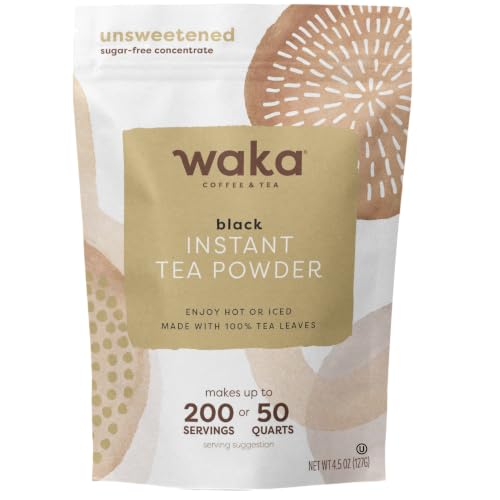
Instant tea is exactly what it sounds like—a dehydrated tea extract that dissolves the moment it hits water. No steeping, no waiting, no wet tea bags to discard. Think of it as the espresso powder of the tea world. If you often pour yourself a cup and then get distracted, leaving behind an over-steeped, bitter mess, this quick-dissolving format solves that problem completely.
What is Instant Tea?
Instant tea is a soluble tea powder manufactured by extracting liquor from tea leaves, then dehydrating that liquid until only dry solids remain. The result is a fine powder, granule, or crystal that reconstitutes into drinkable tea within seconds. Unlike traditional tea bags or loose leaves, you’re not brewing anything—you are simply rehydrating a concentrated tea product that already contains the color, flavor, and caffeine of finished tea.

That simplicity makes it a favorite among backpackers, busy office workers, and anyone who needs a consistent cup without the ritual. If you want to eliminate single-use waste while still enjoying ultra-convenient prep, picking up a set of compact reusable containers like the Fu Store 2pcs small storage tins can help you portion out loose instant tea powder for travel or a grab-and-go morning routine.
How is Instant Tea Different From Tea Bags?
The main difference is that tea bags contain whole or broken leaves that release flavor gradually, while instant tea powder is pre-extracted and dried. You get a cup in one step instead of two. The trade-off is that some delicate aromatic compounds vanish during processing, though modern manufacturing methods have narrowed that flavor gap significantly.
How is Instant Tea Made?
Knowing what instant tea is made of helps you understand why it behaves differently in the cup. The process starts just like traditional tea manufacturing, but then veers sharply into industrial concentration and dehydration territory.
Step-by-Step Manufacturing Process
- Extraction: Manufacturers steep large volumes of black, green, or oolong tea leaves in hot water to produce a strong liquid concentrate.
- Concentration: The weak tea liquor passes through evaporators that remove roughly 80% of the water, creating thick tea concentrates.
- Dehydration: The concentrate gets dried into powder using one of two primary methods: spray drying or freeze drying.
- Agglomeration: Steam treatment causes small particles to stick together into larger, more soluble granules that dissolve instantly.
- Packaging: The finished soluble tea powder is sealed in moisture-proof packaging to prevent clumping.
Spray-Dried Tea vs. Freeze-Dried Tea
These two dehydration methods produce noticeably different results. Here is how they compare:
| Feature | Spray-Dried Tea | Freeze-Dried Tea |
|---|---|---|
| Processing temperature | High heat (150–200°C) | Extreme cold (-40°C), then vacuum drying |
| Particle shape | Fine, uniform powder | Larger, irregular crystals |
| Dissolution speed | Very fast, but can clump | Instant, sinks and dissolves cleanly |
| Antioxidant retention | Moderate loss due to heat | Higher retention of catechins and polyphenols |
| Flavor profile | Muted, sometimes slightly cooked taste | Brighter, closer to freshly brewed tea |
| Common use | Mass-market iced tea mixes, vending machines | Premium instant green teas, specialty products |
Freeze-dried tea costs more because the process takes over 24 hours and requires specialized vacuum chambers. However, the gentler treatment preserves volatile aroma compounds that give tea its distinctive character. If you have wondered “is instant tea healthy?” compared to brewed, the freeze-dried version retains significantly more of the original leaf’s antioxidant activity.
Types of Instant Tea
The category now spans far beyond the simple unsweetened powders that first appeared in the 1940s. You can find instant tea powder in several distinct formats, each designed for a different use case.
- Pure Instant Tea: 100% soluble tea extract with no additives. These dissolve into clear, smooth tea and work well hot or cold.
- Instant Tea Mix: Powdered tea blended with sugar, lemon flavoring, or milk powder. Instant tea crystals in this category behave more like a soft drink mix.
- Liquid Tea Concentrates: Shelf-stable syrups that you dilute with water. They aren’t powders but share the same instant-prep philosophy.
- Matcha-Instant Hybrids: Finely milled green tea powder that you whisk, not steep. True matcha is a suspended powder, not a soluble extract, but it occupies a similar niche.
- Cold-Brew Instant Tea: Formulated using finer-mesh powder or agglomerated crystals that dissolve fully in icy water without leaving sediment.
Popular Product Categories
Walk down any supermarket aisle and you will spot recognizable names. Lipton Instant Tea dominates the unsweetened pure powder segment in North America, while Nestea built its reputation on pre-sweetened iced tea mixes. Japanese brands like Ito En offer premium freeze-dried green tea crystals that rival ceremonial-grade brewing. The flavor profiles across brands vary widely: some deliver a brisk, astringent black tea punch, while others lean smooth and malty.
Instant Tea vs. Brewed Tea
You might wonder whether switching to powdered tea means giving up quality. The answer depends on what matters most to you: ritual and nuance, or speed and consistency.
| Factor | Instant Tea | Brewed Tea |
|---|---|---|
| Prep time | 5 seconds | 2–5 minutes |
| Equipment needed | Cup, spoon | Kettle, strainer or tea bag |
| Flavor complexity | Good, but less layered | Excellent, with full aromatic spectrum |
| Caffeine control | Fixed per serving | Adjustable via steep time |
| Shelf life | 2–3 years sealed | 6–12 months for best quality |
| Cost per cup | $0.10–0.40 | $0.05–1.00+ depending on quality |
When Instant Tea Wins
Instant tea shines when you need consistency and speed above all else. If you batch-prepare iced tea for a crowd, measure instant tea mix straight into a pitcher of cold water and stir—done. It also eliminates the bitterness that happens when tea leaves over-steep, which makes it forgiving for beginners who do not want to time every infusion. Travelers appreciate that soluble tea powder carries zero wet waste and passes easily through airport security.
When Brewed Tea Wins
Traditional brewing remains unbeatable for the meditative experience and the full spectrum of aromatic compounds. Whole-leaf teas, especially oolongs and white teas, contain delicate esters that industrial tea extraction cannot capture. If you drink tea primarily for the flavor journey rather than just the caffeine or hydration, stick with loose leaves or high-quality tea bags. For a closer look at how one popular tea bag brand constructs its product, you can explore what Teavana tea bags are made from and see how whole ingredients compare to extracts.
Health Benefits and Uses of Instant Tea
The nutritional profile of instant tea largely mirrors brewed tea, with some process-dependent variation. Both forms deliver polyphenols like catechins and theaflavins, compounds linked to reduced inflammation markers and improved cardiovascular health. The key question of “is instant tea healthy?” comes down to manufacturing method and ingredient deck.
What Instant Tea is Made Of (Nutritionally)
Pure tea extract powder contains:
- Caffeine (typically 25–50 mg per teaspoon, comparable to a standard tea bag)
- Polyphenols and catechins (higher retention in freeze-dried products)
- Theanine, an amino acid that promotes calm alertness
- Trace minerals including potassium and fluoride
- Zero calories in unsweetened formats
Flavored instant tea crystals and mixes tell a different story. A single tablespoon of sweetened lemon iced tea mix can pack 15–20 grams of added sugar. Read labels carefully. If you want the convenience without the sugar, stick with plain soluble tea and sweeten it yourself.
How to Use Instant Tea Powder
Knowing how to use instant tea powder creatively opens up applications that brewed tea cannot touch. Try these approaches:
- Standard Hot Tea: Stir ½ to 1 teaspoon into 8 ounces of hot water. Adjust to your strength preference.
- Instant Iced Tea: Mix equal parts powder and cold water, then dilute with ice. Use freeze-dried tea for the clearest result with no sediment.
- Baking Spice: Add a teaspoon of instant black tea powder to shortbread, cake batter, or buttercream for an earl-grey-like flavor.
- Smoothie Booster: Blend instant green tea powder into smoothies for an antioxidant punch without the grassy texture of matcha.
- Dry Rubs: Combine powdered tea with salt, pepper, and garlic for a crust on grilled meats.
- Travel Kit: Portion servings into small containers and you will always have tea, even in hotel rooms with no kettle beyond a lukewarm coffee maker.
Does Processing Destroy Antioxidants?
This is the most common concern around instant tea benefits. High-heat spray drying does degrade a percentage of catechins—studies show losses ranging from 10% to 30% compared to fresh-brewed tea. Freeze drying preserves 85% to 95% of the original antioxidant capacity. Even with some loss, instant tea still delivers meaningful polyphenol content, and the convenience factor often means people consume more total tea overall. If you enjoy cold tea, it is worth noting that some instant formats outshine bottled ready-to-drink teas, which often contain negligible antioxidants and abundant sugar.
Storing Instant Tea for Maximum Freshness
Dehydrated tea extract is hygroscopic—it pulls moisture from the air and turns into a solid brick if left exposed. Keep your powder in an airtight container away from steam, direct sunlight, and the refrigerator (condensation forms every time you open it). When stored properly in a cool, dark pantry, pure instant tea powder lasts two to three years without noticeable quality loss. If your morning ritual involves a different kind of comfort, such as enjoying a hot cup after a long day, understanding what chippy tea actually means might surprise you.
The Bottom Line
Instant tea is not a lesser imitation of brewed tea—it is a completely different product category with its own strengths. It prioritizes speed, consistency, and versatility over nuance and ceremony. If you value having tea ready in seconds, want a shelf-stable option for travel, or need a clean dissolving soluble tea powder for recipes, instant tea delivers real value. The best quality comes from freeze-dried tea products, which retain significantly more antioxidants and brighter flavor profiles than their spray-dried counterparts. Pick up a tin of pure instant tea, experiment with the strength, and you might find it earns a permanent spot on your shelf next to your favorite loose-leaf oolongs.
Best Drinks for Instant Bowel Relief
For quick relief from occasional constipation, certain drinks work better than instant tea. Prune juice and warm water with lemon are top choices because they contain natural sorbitol and stimulate bowel movements gently. Instant tea lacks these components and does not act as a laxative. If you want a soothing drink with mild stimulant effects, brewed tea with caffeine might help, but it’s not a direct remedy. Avoid sugary or heavily caffeinated beverages if you have digestive sensitivity, as they can worsen discomfort.
Instant Digestive Relief Drinks
Instant tea itself is not designed for digestive relief. Drinks formulated for instant digestive comfort often contain electrolytes, herbal extracts like ginger or peppermint, or soluble fibers. For example, oral rehydration solutions or herbal teas made from chamomile or ginger can soothe an upset stomach quickly. Instant tea provides hydration and caffeine but lacks these targeted digestive benefits. If you seek instant relief for indigestion or nausea, consider these specialized drinks instead of instant tea.