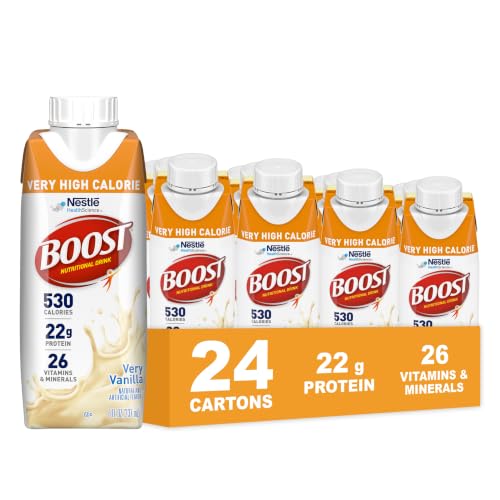
Boost drinks typically contain a blend of vitamins, minerals, protein, carbohydrates, and sometimes fiber, designed to provide nutritional support and energy.
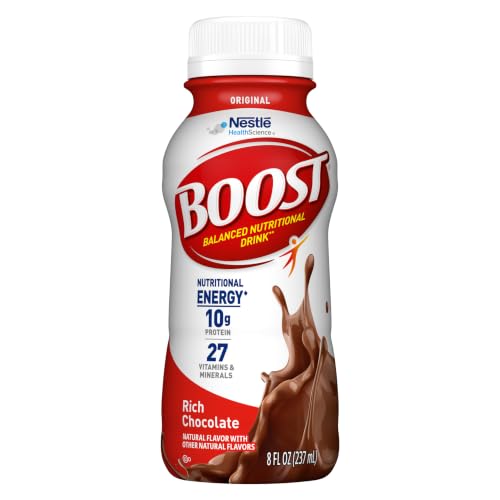
BOOST
BOOST Original Nutritional Shake, Ready to Drink,…
- BOOST Original: This drink is designed to provide nutritional energy with 240 nutrient-rich calories and B-vitamins to help conver…
- Key Nutrients: Featuring vitamins C and D, zinc, iron and selenium, key nutrients for immune support
- Nutritional Support: BOOST Nutritional drinks give your body protein, vitamins, and calories to help support normal energy; Enhanc…
Boost drinks are popular nutritional supplements designed to provide extra protein, calories, and essential nutrients. Whether you’re recovering from illness, need weight management support, or want a convenient meal replacement, understanding Boost’s ingredients helps you make informed choices.
[amazon_spotlight keyword=”boost drink”]Boost Drink Key Ingredients
All Boost varieties contain a mix of proteins, carbohydrates, vitamins, and minerals, but the exact formulation varies by product line. Here’s a closer look at what each ingredient does and how it compares to whole-food alternatives.
Protein Sources
- Milk protein concentrate — provides a complete amino acid profile, supporting muscle repair and satiety.
- Soy protein isolate — plant-based protein that complements milk protein for a balanced amino acid mix.
- Calcium caseinate — slow-digesting milk protein, helps sustain a steady release of amino acids.
- Sodium caseinate — another milk-derived protein, often used for its emulsifying properties.
Carbohydrates
- Glucose syrup — a rapidly absorbed carbohydrate that provides quick energy, but also raises blood sugar quickly.
- Sugar (sucrose) — adds sweetness; in some varieties, sugar is the second or third ingredient, so check labels if you’re watching added sugars.
Fats
- Canola oil (heart-healthy fat source)
- High oleic sunflower oil (in some varieties)
Other Ingredients
- Cellulose gel and gum — thickeners that improve texture and stability, derived from plant fibers.
- Carrageenan — a seaweed-derived stabilizer; some people prefer to avoid it due to digestive sensitivity, though it’s FDA-approved.
- Stevia leaf extract — a natural, zero-calorie sweetener used to reduce added sugar.
- Natural flavors — a blend of plant or animal-derived flavorings; exact composition is proprietary.
Nutritional Profile Across Boost Varieties
Boost Original provides 240 calories, 10g protein, and 27 essential vitamins and minerals per 8 fl oz serving. Boost High Protein offers 240 calories and 20g protein, but with a different carbohydrate and sugar profile. Always check the label, as formulations can change.
| Nutrient | High Protein | Very High Calorie |
|---|---|---|
| Calories | 250 | 530 |
| Protein | 20g | 22g |
| Vitamins/Minerals | 27 | 26 |
| B-Vitamins | Yes | Yes |
Vitamin and Mineral Content
Boost drinks contain an extensive vitamin and mineral blend designed to meet daily nutritional needs. The exact amounts vary by product, but all include a premix that covers 27 key nutrients, including:
Essential Vitamins
- Vitamin A, C, D, E, K
- B-complex vitamins (thiamine, riboflavin, niacin, etc.)
- Folic acid
- Biotin
Important Minerals
- Calcium
- Iron
- Magnesium
- Zinc
- Potassium
- Selenium
According to Nestlé Health Science, these nutrients help support immune function, energy metabolism, and overall health. For example, vitamin D and calcium support bone health, while B vitamins aid in converting food into energy.
Boost Original vs. Boost High Protein: Ingredient Differences
The main difference is the protein content: Boost Original has 10g protein per serving, while Boost High Protein has 20g. High Protein also uses a different protein blend (more soy isolate) and has slightly different carbohydrate and fat ratios. If you’re aiming for muscle recovery or higher protein intake, High Protein is the better choice; for general nutrition, Original is sufficient.
Who Can Benefit From Boost Drinks?
Medical Uses
- Post-surgery recovery
- Chronic illness nutrition support
- Weight gain assistance
Lifestyle Uses
- Meal replacement for busy schedules
- Post-workout recovery drink
- Nutritional supplement for older adults
For those needing similar nutritional support in smoothie form, check out our guide to the best blenders for smoothies.
Special Considerations
Allergens
Boost contains milk and soy ingredients, which are common allergens. While lactose-intolerant individuals may tolerate it (contains <0.5g lactose), those with galactosemia should avoid it. Additionally, carrageenan and stevia may cause sensitivities in some people. Boost is not suitable for vegans due to milk-derived proteins.
Dietary Suitability: Gluten-Free, Keto, and More
Boost drinks are gluten-free and suitable for most diets, but they are not keto-friendly due to their carbohydrate content (around 33g per serving). They are also not vegan due to milk proteins. For those on a low-FODMAP diet, note that Boost contains glucose syrup and soy, which may be triggers for some.
Storage
Refrigerate after opening and consume within 24 hours. Shake well before drinking.
Accessibility
Boost products are SNAP/EBT eligible in the U.S., making them accessible to low-income households.
How Boost Compares to Homemade Alternatives
While Boost provides convenience, you can create similar nutritional drinks at home with more control over ingredients. However, homemade versions may lack the precise vitamin and mineral fortification that Boost offers.
Taste and Texture: What to Expect
Boost drinks have a thick, milkshake-like texture, with flavors like vanilla, chocolate, and strawberry. The sweetness comes from a mix of sugar and stevia, which some find slightly artificial. If you’re sensitive to texture, try chilling before drinking.
While Boost provides convenience, you can create similar nutritional drinks at home using:
- Protein powder (whey or plant-based)
- Milk or milk alternatives
- Nut butters for healthy fats
- Fruits for natural sugars
For making your own high-protein drinks, consider the best portable blenders for protein shakes.
According to research from the National Institutes of Health, oral nutritional supplements like Boost can effectively improve nutritional status in at-risk populations when used appropriately.
Long-Term Storage and Safety
Unopened Boost drinks have a shelf life of about 12 months when stored in a cool, dry place. Once opened, refrigerate and consume within 24 hours. Always check the expiration date and avoid drinking if the seal is broken or the liquid looks separated.
Related pick: Check today's price on Amazon