The mimosa is a classic brunch cocktail that combines sparkling wine and orange juice for a refreshing, effervescent drink. Often served in champagne flutes at weddings, brunches, and celebratory gatherings, this simple yet elegant cocktail has become a staple of daytime festivities. In this guide, we’ll explore the history of the mimosa, how to make the perfect version, popular variations, and expert tips to elevate your mimosa game.
Teaspressa
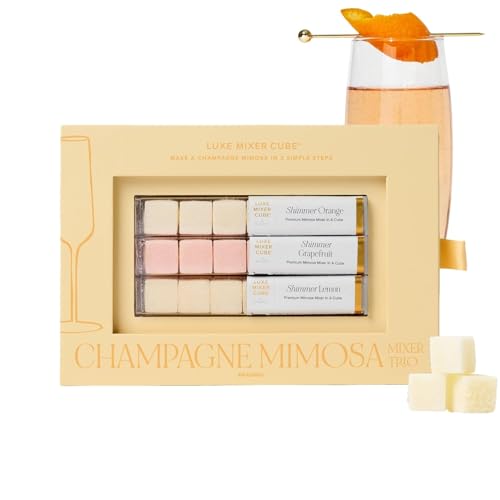
TEASPRESSA LUXE Mixology Cubes Instant Mimosa Cocktail…
- Instant Mimosa Kit : No more hassle of a traditional mixology bartender kit. Create a mimosa, soda or artisan flavored champagne c…
- 100% Natural : Our mimosa kit has no chemicals or additives. Only 16 calories and 4 carbs. Our sugar cubes ingredients are exclusi…
- Versatile Use : Whether you're preparing cocktails, mocktails, or refreshing non-alcoholic drinks, our mixology cubes are your per…
The Origins of the Mimosa Cocktail
The mimosa’s history is as bubbly as the drink itself, with competing claims about its invention and evolution.
The Name and Early History
The cocktail is named after the bright yellow mimosa flower (Acacia dealbata), though its origins are somewhat disputed:
- Originally called “champagne orange” in early recipes
- Some credit Frank Meier of Paris Ritz in the 1930s, though his book doesn’t claim invention
- Gained popularity in the U.S. during the 1960s brunch culture boom
- Reportedly introduced to Queen Elizabeth II by Earl Mountbatten
Relationship to Buck’s Fizz
The mimosa is closely related to the Buck’s Fizz cocktail, which was created in London in 1921. The key difference is the ratio: a classic Buck’s Fizz is traditionally two parts champagne to one part orange juice, making it drier and stronger. The mimosa’s 50/50 ratio, which gained prominence later, creates a sweeter, more balanced drink that became the brunch standard.
The mimosa is closely related to the Buck’s Fizz cocktail:
| Cocktail | Origin | Ratio | Serving Style |
|---|---|---|---|
| Mimosa | Disputed (possibly France 1920s-30s) | Equal parts champagne & OJ | Chilled, no ice, flute |
| Buck’s Fizz | 1921, Buck’s Club London | 2:1 champagne to OJ | No ice, flute or coupe |
How to Make the Perfect Mimosa
Classic Mimosa Recipe
The International Bartenders Association (IBA) official recipe:
- Ingredients:
- 75 ml champagne or dry sparkling wine
- 75 ml fresh orange juice (pulp-free)
- Preparation:
- Chill both ingredients thoroughly (overnight preferred)
- Tilt champagne flute at 45° angle
- Pour champagne first, letting it run down side of glass
- Top with orange juice
- Optional: Garnish with orange twist
Expert Tips for Superior Mimosas
Choosing Your Ingredients
- Sparkling Wine: Use dry (brut) varieties – no need for expensive champagne. Reliable mid-range brands like Schramsberg, Segura Viudas, or a good Cava or Prosecco are perfect. Orange Juice: Fresh-squeezed and strained is ideal, but high-quality store-bought like Natalie’s or Uncle Matt’s works well. Temperature: All components should be refrigerator-cold (40°F/4°C).
Presentation Matters
- Always use champagne flutes to preserve bubbles
- Pre-chill glasses for 30 minutes before serving
- Pour slowly to minimize foam and preserve carbonation
- Consider edible flowers or citrus wheels for garnish
Creative Mimosa Variations
Fruit Juice Variations
| Variation | Ingredients | Best For |
|---|---|---|
| Megmosa | Equal parts champagne & grapefruit juice | Brighter, more tart flavor |
| Poinsettia | Champagne + cranberry juice (+ optional Cointreau) | Holiday gatherings |
| Lemosa | Champagne + lemonade + blueberry syrup | Summer brunches |
Spirit-Enhanced Variations
- Grand Mimosa: Add 1/2 oz Grand Marnier. Puccini: Replace OJ with fresh Mandarin orange juice. Blushing Mimosa: Use a splash of grenadine or cranberry juice. Valencian Water: Cava + OJ + vodka + gin. Hawaiian Mimosa: Add rum and pineapple juice.
Seasonal Specialties
- Fall: Vermosa (apple cider + champagne)
- Winter: Sherbet mimosa (champagne + sherbet)
- Spring: Lychee rose mimosa (lychee + rosewater)
Mimosa Culture and Traditions
Brunch Culture Staple
The mimosa became synonymous with leisurely weekend brunches because:
- Lower alcohol content makes it’suitable for daytime
- Refreshing acidity pairs well with rich breakfast foods
- Bubbles feel celebratory without being overpowering
National Mimosa Day
Celebrated annually on May 16th in the U.S., this unofficial holiday features:
- Brunch specials at restaurants nationwide
- Creative mimosa variations at bars
- Home brunch parties with mimosa bars
Mimosa Pairings and Serving Ideas
Mimosa Nutrition and Calories
A standard 4-5 oz mimosa (equal parts champagne and OJ) contains approximately 75-85 calories and about 1-2 grams of sugar, coming almost entirely from the orange juice. It is naturally gluten-free. The calorie count can vary based on the specific sparkling wine and the sweetness of the orange juice used. For a lighter version, you can increase the ratio of sparkling wine to juice or use a lower-sugar orange juice.
Food Pairings
The mimosa’s bright acidity and bubbles cut through richness, making it a versatile brunch companion. Classic pairings include:
- Eggs Benedict: The citrus cleanses the palate from the hollandaise. Quiche Lorraine: The bubbles contrast the creamy custard. Smoked Salmon Blinis: A traditional champagne pairing that works perfectly with mimosas. Fruit Pastries: Complements the sweet, fruity notes of the drink. Fried Chicken & Waffles: A modern brunch favorite that balances savory and sweet.
| Food Category | Specific Pairings | Why It Works |
|---|---|---|
| Breakfast/Brunch | Eggs Benedict, French toast, pancakes | Acidity cuts through richness |
| Pastries | Croissants, scones, muffins | Bubbles cleanse palate |
| Fruit | Berries, melon, citrus salad | Complementary flavors |
How to Set Up a Mimosa Bar
For parties, a DIY mimosa station is interactive and fun. Here’s a simple checklist:
- Base Bubbles: Offer 2-3 options like Prosecco, Cava, and a non-alcoholic sparkling wine. Keep them chilled in ice buckets.
- Juice Array: Classic orange, plus 2-3 others. Grapefruit, pineapple, mango, or pomegranate are popular. Use clear carafes.
- Garnish Station: Provide small bowls with citrus wheels, berries, pomegranate arils, and edible flowers.
- Extras: Add small bottles of Grand Marnier or fruit liqueurs for a ‘spiked’ option.
- Tools & Glassware: Provide champagne flutes, small ladles for juice, and cocktail napkins.
For parties, set up a DIY mimosa station with:
- Base Options:
- Champagne/prosecco/cava
- Non-alcoholic sparkling wine
- Juice Variations:
- Classic orange
- Grapefruit
- Pineapple
- Cranberry
- Garnish Station:
- Citrus wheels
- Edible flowers
- Berries on skewers
Advanced Mimosa Techniques
Carbonation Preservation
Keep your mimosas bubbly longer with these tips:
- Use freshly opened champagne (don’t pre-mix large batches)
- Store opened bottles with a champagne stopper
- Pour down the side of a tilted glass
- Avoid stirring after pouring
Temperature Control
- Chill all components to 40°F (4°C) before mixing
- Use an ice bucket to keep bottles cold during service
- For outdoor events, consider frozen orange juice cubes
Frequently Asked Questions
What’s the best champagne for mimosas?
You don’t need expensive champagne. A dry (brut) Prosecco, Cava, or Crémant offers excellent value and quality. Reliable brands include La Marca Prosecco, Korbel Brut, or a non-vintage Brut Champagne if you prefer. The key is a dry base to balance the juice’s sweetness.
You don’t need expensive champagne – dry (brut) prosecco or cava work perfectly. The orange juice will sweeten the drink, so starting with a dry base creates better balance.
Can I make non-alcoholic mimosas?
Absolutely! Use alcohol-free sparkling wine or even sparkling water with orange juice. The presentation and experience remain similar.
Why do my mimosas go flat so quickly?
Common causes include: using warm ingredients, stirring vigorously, pre-mixing large batches, or using glasses that aren’t properly chilled.
What’s the ideal orange juice to champagne ratio?
The classic is 1:1, but preferences vary:
- 1:1 – Balanced flavor
- 2:1 champagne to OJ – Stronger, drier
- 1:2 champagne to OJ – Sweeter, milder
Final Thoughts
The mimosa’s enduring popularity comes from its perfect balance of simplicity and sophistication. Whether you’re hosting an elegant brunch or enjoying a quiet weekend morning, this sparkling cocktail brings a touch of celebration to any occasion. With the techniques and variations covered in this guide, you’re now equipped to make exceptional mimosas that will impress your guests and elevate your brunch game. Remember – the best mimosa is the one you enjoy most, so don’t be afraid to experiment with ratios and flavors until you find your perfect combination.
Related pick: Check today's price on Amazon


