You find a bottle of apple juice in the back of the fridge. The date on the cap says it passed two weeks ago. It looks fine, maybe a little cloudy. You open it and the smell hits you—sweet, but with a sour edge. Is this a trip to the bathroom or a wasted bottle? Most people guess wrong, and the guess usually goes one of two ways: they chug it and regret it, or they pour it out without thinking. This guide gives you a clear way to decide, based on how long it’s been, how it was stored, and what your body can handle.
You’ll walk away knowing the difference between a harmless date label and a real safety risk, the exact timeline of symptoms if you drink bad juice, and a three-step test you can run in under a minute. No vague advice, just a practical risk assessment you can use for any bottle you find.
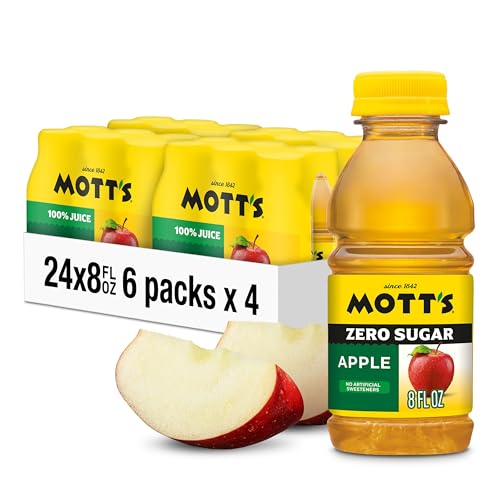
Mott's
Mott's Zero Sugar Apple Juice Drink, 8…
- ZERO SUGAR: Sweetened with stevia, it has zero sugar and zero calories and it contains no artificial flavors or sweeteners.
- GREAT TASTE: Made from concentrate and with delicious apple taste the whole family will love.
- GOOD FOR YOU: Mott’s Zero Sugar Apple Juice Drink contains 1% juice, is gluten free, and is an excellent source of vitamin C.
If you’re looking for a reliable option that avoids the spoilage question altogether, Mott's Zero Sugar Apple Juice Drink comes in single-serve bottles that you finish in one sitting, so there’s no half-empty container lingering in the fridge for weeks.

The Short Answer: Is It Ever Safe?
Sometimes. A few days past the date on an unopened, properly stored bottle is usually fine. A few months past that same date is a different story. The date printed on the bottle is a quality marker, not a safety switch. The juice doesn’t turn toxic the second the clock hits midnight.
What matters is what’s growing in the bottle. Pasteurized apple juice in a sealed container stays safe for weeks past its best-by date because the heat treatment killed the harmful bacteria. The risk comes after you open it. Oxygen gets in, yeast and mold spores float in, and the sugar-rich environment becomes a breeding ground.
The real question isn’t about the date. It’s about what you see, smell, and taste when you open the bottle. You can’t always tell if something is safe by looking at it, but you can get a very strong signal if you know what to check.
Decoding Date Labels (Best By vs. Expiration)
Most apple juice bottles carry a best by or sell by date, not a true use by date. These labels are the manufacturer’s guess at peak quality, not a food safety deadline. A best-by date means the juice will taste its best before that date. After it passes, the flavor fades, the color dulls, but it won’t make you sick on its own.
Here’s the breakdown that actually matters:
- Best by: Quality declines after this date, but safety depends on storage and whether the seal was broken.
- Sell by: This tells the store when to pull it from the shelf. You have a buffer after this date, usually a week or two for unopened juice.
- Use by: The last date the manufacturer guarantees quality. Treat this one more seriously, but it still isn’t a hard safety cutoff.
The distinction gets fuzzy when you factor in how the bottle was handled. A bottle left on a counter in a warm kitchen spoils faster than one kept in a cold fridge, regardless of the printed date. Temperature is the silent variable that most people ignore.
The Real Enemy: Fermentation vs. Bacterial Spoilage
Apple juice is basically sugar water with flavor. That sugar is exactly what yeast and bacteria need to multiply. When you open a bottle, you let in wild yeast from the air. The yeast feeds on the sugar and produces alcohol and carbon dioxide. That’s fermentation. It’s the same process that turns apple juice into hard cider.
Fermentation alone isn’t dangerous. You’d get a mildly alcoholic, fizzy drink that tastes off. The problem is that fermentation changes the environment, and that change can let other, nastier organisms take hold. Mold needs oxygen, and it will happily grow on the surface of an opened bottle left in the fridge for too long. Certain molds produce mycotoxins that cause real illness, not just a bad taste.
Why It Gets Fizzy (and Why That’s Not Always Bad)
If you open a bottle of old apple juice and it hisses like a soda, that’s carbon dioxide from yeast activity. A little fizz means fermentation started. It’s a sign the juice is past its prime, but it’s not an automatic reason to panic. The alcohol content will be low, maybe 1-2%, similar to a very weak beer.
The danger line is crossed when you see visible mold, a slimy texture, or a smell that’s sour and yeasty rather than just sweet. That combination points to bacterial growth, not simple fermentation. Bacteria like Clostridium botulinum can grow in low-oxygen environments, and while it’s rare in apple juice, it’s not worth the gamble.
The 3-Step Sensory Test Before You Sip
Run this test every time you’re unsure about a bottle. It takes sixty seconds and costs you nothing but a little caution.
Step 1: Inspect the Package
Look at the bottle before you open it. Is the cap bulging? A swollen cap means gas is building up inside, which indicates active fermentation. Check the seal. If it’s broken or the bottle was previously opened, the clock started ticking earlier than the date suggests. Look for any liquid residue around the cap, which can be a sign of leakage or overflow from gas pressure.
Step 2: The Smell Test
Open the bottle and take a careful sniff from a few inches away. Fresh apple juice smells sweet and fruity. Spoiled juice smells sour, vinegary, or distinctly alcoholic. A sharp, pungent odor that makes you pull your head back is a clear warning. Trust your nose here—it’s evolved to detect exactly this kind of threat.
Step 3: The Tiny Taste Test
If the package looks normal and the smell is acceptable, take the smallest sip possible, just enough to coat your tongue. Hold it for a second. If it tastes sharp, bitter, or carbonated in a way that feels wrong, spit it out. Your taste buds will catch what your nose missed. A tiny taste of spoiled juice won’t hurt you, but a full glass might.
How Long Does It Actually Last? (A Cheat Sheet by Type)
Here’s a practical reference for how long you can push a bottle past its date, broken down by how it was handled.
| Type of Juice | Unopened (pantry) | Unopened (fridge) | Opened (fridge) |
|---|---|---|---|
| Pasteurized, shelf-stable | 6-9 months past date | Up to 1 year past date | 7-10 days |
| Pasteurized, refrigerated | N/A (keep cold) | 1-2 weeks past date | 5-7 days |
| Fresh-pressed / cold-pressed | N/A (keep cold) | 3-5 days past date | 24-48 hours |
| Unpasteurized / raw | Do not store | 2-3 days past date | 12-24 hours |
These numbers assume the juice stayed cold the whole time. If the bottle sat in a warm car for an afternoon, cut the timeline in half. Temperature abuse accelerates everything.
What Happens If You Drink It? (Symptoms and Timeline)
So you ignored the signs and drank a full glass. What happens next depends on what was growing in the bottle. If it was simple fermentation, you’ll likely feel nothing except maybe a slightly upset stomach. The alcohol content is too low to cause intoxication, and the yeast is harmless to most people.
If harmful bacteria or mold toxins were present, symptoms usually start 30 minutes to 12 hours after drinking. The most common complaints are:
- Nausea and stomach cramps
- Vomiting
- Diarrhea
- Low-grade fever
- Headache
Most cases resolve on their own within 24 hours as your body flushes out the irritants. You should seek medical help if you experience bloody diarrhea, a fever above 101.5°F, signs of dehydration (dizziness, dark urine, dry mouth), or if symptoms last longer than two days. For a deeper look at how similar risks apply to other juices, check out this guide on expired orange juice.
Who Should Never Risk It (High-Risk Groups)
A healthy adult can usually handle a small exposure to spoiled juice. The same isn’t true for everyone. Certain groups have weaker defenses and should treat any expired juice as a hard no.
- Pregnant women: The immune system shifts during pregnancy, making it easier for foodborne pathogens to take hold. The stakes are higher because the consequences affect the fetus.
- Young children: Their immune systems are still developing, and their smaller body mass means even a mild pathogen can cause severe dehydration quickly.
- Older adults: Natural immune decline makes it harder to fight off bacterial infections.
- Immunocompromised individuals: Anyone on chemotherapy, organ transplant recipients, or those with chronic conditions like HIV or diabetes should avoid all expired products, no exceptions.
If you fall into any of these categories, don’t even do the taste test. The tiny sip you use to check is enough to cause a problem when your defenses are down.
Can You Save It? (Cooking, Freezing, and Other Hacks)
You don’t always have to pour that bottle down the drain. Slightly past-date juice that still passes the sensory test can be repurposed. The heat from cooking kills most pathogens, making it safe for uses where it’s not the star of the show.
Use it in baking as a sugar substitute in cakes or muffins, or reduce it in a pan to make a glaze for pork or chicken. You can also freeze it in ice cube trays for smoothies or to add a splash of flavor to sparkling water later. Freezing stops the clock on spoilage, so a bottle that’s still good can be preserved for months.
There’s a line, though. If the juice fails the smell test or shows any mold, cooking will not save it. Some mold toxins survive high heat, and the risk isn’t worth a batch of pancakes.
The Bottom Line: When in Doubt, Throw It Out
Here’s the honest truth: a bottle of apple juice costs a few dollars. A trip to urgent care costs a hundred times that. The financial math alone says you should err on the side of caution. The sensory test is a great tool, but it’s not perfect. Some spoiled juice looks and smells completely normal, especially if the contamination is bacterial rather than mold-based.
Your best move is to buy juice in smaller containers you’ll finish quickly, or in single-serve bottles that eliminate the leftover problem entirely. That’s why the Mott's Zero Sugar option makes practical sense—you open one, you finish it, you toss it. No half-empty bottle waiting to become a science experiment.
If you’re dealing with a bottle that’s only a day or two past the date and it passes all three sensory checks, you’re almost certainly fine. If it’s weeks past, or you’re in a high-risk group, skip the gamble. Your stomach will thank you.
And remember, the same rules apply to other juices and drinks. If you’re curious about how long other beverages last, this piece on moldy tea covers a similar risk in a different drink. The principles are the same: check the package, trust your nose, and never push your luck.


