You’ve probably heard whispers about bitter teas and their potent health claims. Kuding tea, or Ilex kudingcha, is one of those traditional remedies that’s been turning heads in wellness circles. It’s not your average cup of tea. This Chinese bitter tea, often called “bitter tea,” has been used for centuries in Traditional Chinese Medicine, and modern science is starting to catch up with why.
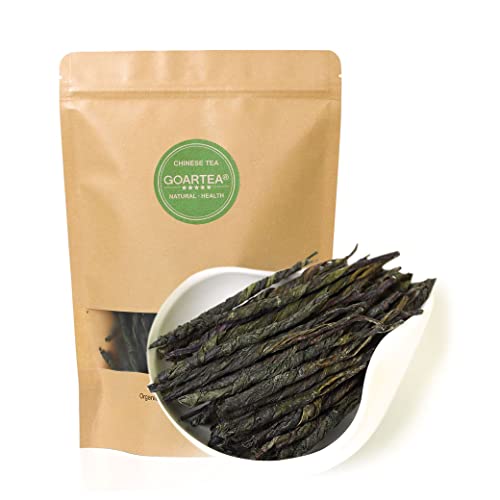
If you’re curious about integrating this powerful brew into your routine, sourcing quality leaves is key. For a reliable starting point, many enthusiasts recommend the GOARTEA Needle Ku. Its needle-like leaves are a hallmark of a specific, high-quality variety of kuding cha.

What is Kuding Tea? A Story of Bitter Medicine
Kuding tea isn’t a single plant but a name given to teas made from the leaves of several species, primarily Ilex kudingcha. The name itself translates to “bitter nail,” a perfect descriptor for its sharp, intensely bitter taste and often pointed leaf shape. This isn’t a tea for casual sipping; it’s a medicinal tea taken in small amounts for its therapeutic effects. Its use dates back generations as a cooling, detoxifying agent, a traditional remedy for everything from headaches to digestion. Think of it less as a beverage and more as a herbal supplement in tea form.
Top 5 Proven Health Benefits of Kuding Tea
So, what’s behind the bitter bite? The health benefits of kuding tea are linked to its dense concentration of bioactive compounds. Let’s break down the most compelling evidence-backed advantages.
1. A Powerhouse of Protective Antioxidants
Kuding tea is loaded with antioxidants like flavonoids and phenolic acids. These compounds combat oxidative stress, the cellular damage linked to chronic inflammation, aging, and various diseases. Regular consumption can help bolster your body’s natural defenses. It’s a potent detox tea in the truest biochemical sense.
2. May Support Healthy Weight Management
This is a big one. The question “does kuding tea help with weight loss?” has serious scientific interest. Research suggests the tea’s bitter compounds and saponins can influence lipid metabolism. They may help reduce the absorption of fats and sugars in the gut. It’s not a magic pill, but it could be a valuable tool alongside diet and exercise.
3. Promotes Cardiovascular and Metabolic Health
Closely tied to weight management are the kuding tea benefits for blood pressure and cholesterol. Studies indicate it may help relax blood vessels and inhibit enzymes that raise blood pressure. Its potential to modulate blood lipid profiles makes it a subject of interest for supporting heart health holistically.
4. Natural Anti-inflammatory and Antimicrobial Effects
The same saponins and bitter agents that define its taste also exhibit strong anti-inflammatory properties. Historically used for sore throats and mouth ulcers, this action is now being validated. Some research also points to antimicrobial effects against certain bacteria and viruses.
5. Cognitive and Digestive Support
Traditional use often highlights kuding tea for clearing “heat,” which can manifest as headaches or red eyes. Its anti-inflammatory effects may support this. the bitterness stimulates digestive juices, which can aid digestiona principle shared by many bitter tonics worldwide. For other herbal supports, you might explore what manglier tea offers.
Nutritional Compounds & How They Work
The magic isn’t mystical; it’s molecular. The efficacy of this Chinese bitter tea comes from a synergistic blend of compounds.
- Saponins: These are the primary bioactive agents. They create the foamy characteristic and are responsible for many metabolic and anti-inflammatory benefits.
- Bitter Compounds (Secoiridoids & Triterpenes): These trigger a cascade of digestive responses and are key to the tea’s purported weight management effects.
- Flavonoids (like Rutin & Quercetin): Potent antioxidants that protect cells, support vascular strength, and reduce inflammation.
- Caffeine & Theobromine: Present in varying amounts, these provide a mild, focused stimulant effect, different from the jittery feeling of coffee.
This complex profile is what sets it apart in a comparison of kuding tea vs green tea health benefits. While both are antioxidant-rich, kuding’s unique saponin content drives a different set of physiological actions.
How to Brew and Drink Kuding Tea Correctly
Mastering how to brew kuding is essential. Do it wrong, and the bitterness can be overwhelming. Do it right, and you unlock a complex, medicinal brew.
- Use Less Leaf: Start with one needle or a small piece of a rolled leaf (about 1-2 grams) for an 8-12 oz cup. More is not better here.
- Mind the Water Temperature: Use water slightly below boiling (around 185-200F or 85-95C). Boiling water can extract excessive bitterness.
- Steep Briefly: Start with a 1-2 minute steep. You can gradually increase time with subsequent infusions. The leaves can often be re-steeped 3-5 times.
- Consider the “Gongfu” Method: For a less bitter experience, use a higher leaf-to-water ratio in a small gaiwan or pot with very short steeps (15-30 seconds).
If you’re wondering how to prepare kuding tea to reduce bitterness, try a quick rinse: pour hot water over the leaves and discard it immediately before your first proper steep. This washes away some of the initial intense compounds. The bitterness is part of the medicine, but it should be manageable. For a different kind of eye-friendly brew, learn about what tea benefits eyesight specifically.
Potential Side Effects and Who Should Avoid It
Like any potent botanical, kuding tea comes with cautions. Being aware of potential side effects is responsible practice.
- Gastrointestinal Discomfort: Due to its potency, it can cause stomach upset, nausea, or diarrhea in some, especially on an empty stomach or when first starting.
- Drug Interactions: Its effects on blood pressure, blood sugar, and blood clotting mean it could interact with medications for diabetes, hypertension, or blood thinners. Consult a doctor.
- Pregnancy & Lactation: Not enough safety data exists. It’s best avoided during pregnancy and breastfeeding.
- Iron Absorption: Like green tea, its tannins may inhibit non-heme iron absorption from plants. Drink it between meals if this is a concern.
Most healthy adults can tolerate small amounts (1-2 cups daily). The key is to start low and listen to your body. For detailed pharmacological research, you can review this authority guide on Ilex species.
Kuding tea is a fascinating intersection of ancient tradition and modern science. Its intense flavor is a direct line to its powerful health benefits, from antioxidant support to metabolic aid. It demands respectboth in its preparation and its consumption. Start with a high-quality source like the recommended GOARTEA Needle Ku, begin with small, weak brews, and pay attention to how your body responds. It won’t replace a balanced diet or healthy lifestyle, but as a targeted herbal tool, it’s a bitter pill worth swallowing. Or rather, sipping.