Master the Art of Adding Cranberry Juice to Smoothies
On this page 9 sections
- Why Cranberry Juice is a Smoothie Superstar
- Choosing the Right Base: 100% Juice vs. Cocktail
- The Core Ingredients for a Balanced Cranberry Smoothie
- Step-by-Step Blending Order (The “Emulsification” Trick)
- Texture Troubleshooting: Fixing Watery or Gritty Results
- Make-Ahead and Storage: Keeping it Fresh
- Seasonal Variations: Fresh vs. Frozen Cranberries
- Frequently Asked Questions
- What I’ve Learned From a Year of Cranberry Smoothies
You’ve probably tried it once. You pour a glug of cranberry juice into the blender, add a banana and some yogurt, hit the button, and take a sip. The result is either painfully tart or oddly thin. Most recipes online just say “add cranberry juice and blend,” which ignores the real problems: separation, excess sugar, and a flavor that can dominate everything else in the glass.
This guide walks through the actual mechanics of using cranberry juice well. You’ll learn how to pick the right bottle, how to balance tartness with natural sweeteners, the exact order to load the blender to avoid a watery mess, and how to adjust when you swap in fresh or frozen cranberries. No vague advice. Just ratios, numbers, and a few tricks that took me a few failed batches to figure out.
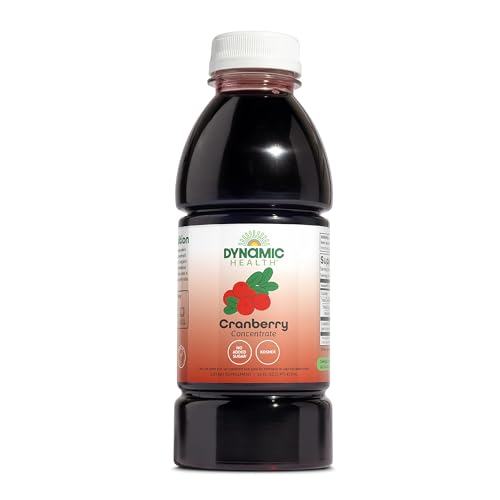
Dynamic Health
DYNAMIC HEALTH 100% Cranberry Juice Concentrate, 16…
- POTENT ANTIOXIDANT. Cranberries contain nutrients like vitamins C and E, plus the added power of the antioxidant quercetin. Antiox…
- COUNT ON CRANBERRY. You’ve probably heard that cranberries are great for urinary tract health. That’s because of proanthocyanidins…
- NO ADDED SUGAR. Our Cranberry Juice Concentrate is made without sweeteners or added sugar. It’s also Vegetarian, Gluten-Free, BPA-…
If you want a convenient starting point, a product like Dynamic Health 100% Cranberry Juice Concentrate gives you the tart punch without added sugar. One bottle packs roughly 4,000 cranberries, so a little goes a long way. It’s not watered down, which means you control the final consistency yourself.

Why Cranberry Juice is a Smoothie Superstar
Cranberry juice brings a sharp, acidic brightness that most fruits lack. A handful of blueberries or a sliced banana adds sweetness, but neither gives you that clean, mouth-puckering edge that cuts through rich ingredients like peanut butter or full-fat yogurt.
There’s also a nutritional angle. Cranberries contain proanthocyanidins, a plant compound linked to urinary tract health, plus vitamin C and the antioxidant quercetin. That doesn’t mean a daily smoothie replaces medical care, but it’s a reasonable reason to rotate cranberry into your routine.
The catch is that cranberry juice is unforgiving. Use too much and you’ve made sour soup. Use too little and you might as well have used water. The sweet spot for most people sits between 1/4 and 1/2 cup per smoothie, depending on the other ingredients. Start low, taste, and add more if needed.
Choosing the Right Base: 100% Juice vs. Cocktail
The biggest mistake people make is grabbing a bottle labeled “cranberry juice cocktail” without reading the back. Cocktail is typically around 27% real juice, with the rest being water and high-fructose corn syrup. You get the color and a hint of flavor, but not much else. If you’re using cocktail, you’re essentially adding liquid sugar to your smoothie.
Look for 100% pure cranberry juice instead. It’s intensely tart, which is why most brands blend it with apple or grape juice. That’s fine. Just check that the ingredient list doesn’t include “high-fructose corn syrup” or “sucrose” as a primary component. If you want zero added sugar, a concentrate like the one from Dynamic Health is a solid option because you mix it with water or another liquid yourself.
There’s also a texture difference. Pure juice is thin and watery. Cocktail is slightly thicker due to the sugar syrup. That matters for smoothie body, but you can fix it with the right thickeners, which we’ll cover in the texture section.
Decoding the Label: Sugar and Additives
Here’s a quick label-reading rule. If sugar appears in the first three ingredients, put the bottle back. A 16-ounce bottle of cocktail can contain over 40 grams of sugar per serving. That’s more than a can of soda. Pure juice has around 20 grams of naturally occurring sugar per cup, which is still significant but comes with the fruit’s fiber and polyphenols.
Also watch for “from concentrate” versus “not from concentrate.” Both are fine nutritionally. The difference is mostly taste. Not-from-concentrate juice tastes fresher and less cooked. Concentrate has been heat-processed, which can dull the bright notes. For smoothies, the difference is minor because you’re blending it with other strong flavors.
The Core Ingredients for a Balanced Cranberry Smoothie
A great cranberry smoothie needs four components: a liquid base, a creamy element, a sweetener, and a thickener. Leave one out and the drink falls apart.
- Liquid base: cranberry juice plus water or milk. Use 1/4 to 1/2 cup cranberry juice and 1/2 cup of the other liquid.
- Creamy element: Greek yogurt, a scoop of protein powder, or half an avocado. This softens the acid.
- Sweetener: a ripe banana, a few dates, or a spoon of honey. Tartness needs a counterweight.
- Thickener: chia seeds, rolled oats, or frozen fruit. Without this, you get a watery shake.
My standard ratio for a single serving is 1 cup frozen berries, 1/2 banana, 1/4 cup cranberry juice, 1/2 cup plain yogurt, and 1 tablespoon chia seeds. That yields a thick, tart-sweet smoothie that doesn’t need additional sugar. If you’re using a concentrate, halve the cranberry juice and add 1/4 cup water.
The Sweetness Ratio: Balancing Tartness Naturally
People ask me how much sweetener to add. The answer depends on the tartness level of your juice, which varies by brand. Here’s a practical starting chart based on a 12-ounce smoothie with 1/4 cup of cranberry juice.
| Sweetener | Amount for 100% Pure Juice | Amount for Cocktail (sweetened) | Amount for Concentrate (diluted 1:1) |
|---|---|---|---|
| Ripe banana | 1/2 whole | None needed | 1 whole |
| Medjool dates | 1 date | Skip | 2 dates |
| Honey or maple syrup | 1 teaspoon | Skip | 1.5 teaspoons |
| Frozen mango or pineapple | 1/2 cup | 1/4 cup | 3/4 cup |
These are starting points, not laws. Taste before you pour into a glass. If it still makes your cheeks tighten, add another teaspoon of honey, not more fruit, because fruit adds volume and dilutes flavor.
Step-by-Step Blending Order (The “Emulsification” Trick)
Most people dump everything in at once. That’s why your smoothie separates into a watery layer on top and a thick sludge at the bottom. Cranberry juice is particularly prone to this because its acidity can curdle dairy or plant milk if they sit together for too long.
Here’s the order that works consistently:
- Liquids first: cranberry juice, water or milk, and any liquid sweetener.
- Powders and seeds: protein powder, chia seeds, flaxseed. These dissolve better when the blades are already spinning.
- Soft ingredients: yogurt, banana, avocado. These help suspend the liquid.
- Frozen or hard ingredients last: frozen berries, ice, whole cranberries. They keep the mixture cold and dense.
Blend on low for 10 seconds, then ramp to high for 30-45 seconds. The gradual ramp prevents the blades from cavitating, which happens when frozen chunks spin freely without pulling liquid down. If you hear a hollow rattling, add a splash of water and keep going.
That order works because the chia seeds or protein powder create a stable emulsion. Without them, the cranberry juice’s tannins bind to the proteins in milk and cause separation. A tablespoon of chia or half a banana is enough to keep everything in one layer.
Texture Troubleshooting: Fixing Watery or Gritty Results
Too watery? You used too much liquid relative to frozen ingredients. The fix is simple: add half a frozen banana or a handful of ice and blend again. Don’t add more yogurt, because that changes the flavor profile.
Too gritty? That usually means your chia seeds didn’t hydrate. Let the smoothie sit for 5 minutes after blending, or grind the seeds in a coffee grinder before adding them. Grit can also come from under-blended frozen cranberries, which have a tough skin. If you’re using whole cranberries, blend for a full 60 seconds on high.
Separating after a few minutes? That’s the emulsion problem we mentioned. Next time, add a stabilizer at the start. A quarter of an avocado works wonders, but it does add a green tint. If you don’t want that, use 1.5 teaspoons of chia seeds and let the smoothie rest for 3 minutes before drinking.
Make-Ahead and Storage: Keeping it Fresh
Cranberry smoothies store better than most fruit smoothies because the acid acts as a mild preservative. You can prep them the night before, but there are two rules.
First, don’t add chia seeds if you’re storing overnight. They’ll turn the whole thing into a pudding. Add them fresh in the morning, or use a different thickener.
Second, shake or stir before drinking. Even with a good emulsion, some separation happens over hours. A quick shake fixes it. If you’re making a batch for the week, pour into individual mason jars and leave 1/2 inch of headspace. They’ll stay good for 48 hours in the fridge. Beyond that, the flavor dulls and the color turns brownish.
Freezing smoothie cubes is another option. Pour the blended mix into an ice cube tray, freeze, then pop the cubes into a bag. When you want a smoothie, blend 4-6 cubes with a splash of liquid. It’s not as fresh as a new batch, but it beats a store-bought smoothie on a busy morning.
Seasonal Variations: Fresh vs. Frozen Cranberries
Fresh cranberries hit the market in October and November. They’re rock-hard, intensely tart, and require a bit of work. If you’re using them in a smoothie, add them frozen. Fresh ones straight from the bag will blend into a gritty paste because their skins are tough.
To use fresh cranberries, rinse them, spread on a baking sheet, and freeze for 2 hours. Then use 1/2 cup in place of the juice. You’ll need to add 1/4 cup more liquid to compensate for the lack of juice. The flavor is brighter and more complex than bottled juice, but it takes more effort.
Frozen cranberries are available year-round in most grocery stores. They’re picked at peak ripeness and frozen within hours, so they retain more vitamin C than juice that’s been shipped and stored. Use them the same way you’d use fresh frozen ones. The downside is texture: frozen berries add a slight grittiness that juice doesn’t. A longer blend time solves that.
In summer, stick with juice. It’s lighter and more refreshing. In winter, lean on whole berries for a thicker, heartier smoothie. This seasonal swap is one of the easiest ways to keep the drink interesting without buying new ingredients.
Frequently Asked Questions
Can I use cranberry juice cocktail instead of pure juice?
You can, but you’re adding about 30 grams of extra sugar per cup. The smoothie will be sweeter and thinner. If you use cocktail, skip any additional sweetener and add an extra 1/4 cup of frozen fruit to thicken it back up. Check the label first. Some cocktails are sweetened with apple juice instead of corn syrup, which is marginally better but still high in sugar.
Does cranberry juice curdle in smoothies?
It can, especially with almond milk or soy milk. The acid in cranberry juice causes plant proteins to clump. Dairy yogurt is more stable because its proteins are already denatured during fermentation. To prevent curdling, blend the cranberry juice with the liquid first, then add the yogurt or milk last. Or add a stabilizer like chia seeds, which physically prevents the proteins from separating.
How much cranberry juice should I put in a smoothie?
Start with 1/4 cup for a 12-ounce smoothie. That gives you the flavor without overwhelming the other ingredients. If you’re using a concentrate, use 2 tablespoons and add 2 tablespoons of water. Taste and adjust upward only if the other flavors are strong enough to hold their own. More than 1/2 cup and the smoothie will taste like liquid cranberry sauce.
Can I make a cranberry smoothie without a banana?
Yes, but you’ll need another source of creaminess and sweetness. Use 1/2 cup of plain Greek yogurt plus 1 teaspoon of honey, or use 1/2 an avocado plus 1 date. The banana isn’t essential, but it does the heavy lifting of masking tartness. Without it, you need to be more precise with your sweetener measurements.
Is cranberry juice good for weight loss smoothies?
It can be, if you use 100% juice and keep the portion small. A cup of pure cranberry juice has about 115 calories, which is less than orange juice but more than water. The bigger issue is everything else in the smoothie. If you’re blending juice with banana, yogurt, and honey, you’re looking at 300-400 calories. For a meal replacement, that’s fine. For a snack, it’s a lot. Use 1/4 cup of juice and bulk up the volume with ice or water.
What I’ve Learned From a Year of Cranberry Smoothies
After testing cranberry juice in dozens of combinations, a few patterns stand out. The most important is that this is a balancing act, not a dump-and-blend situation. You need to respect the tartness and plan around it.
- Always use 100% juice or a concentrate, not cocktail, unless you want a sugar bomb.
- Keep the juice portion between 1/4 and 1/2 cup per smoothie.
- Pair it with a creamy base like yogurt or avocado to soften the acid.
- Add a stabilizer (chia, banana, or oats) to prevent separation.
- Blend liquids first, then powders, then soft, then frozen.
- Use frozen whole cranberries in winter for a thicker, brighter drink.
- Store in the fridge for 48 hours max, and shake before drinking.
For more on choosing the right bottle, check out this comparison of cranberry juice types. If you’re curious about which fruits pair best with cranberry’s sharp edge, this guide to fruit pairings for cranberry smoothies covers the options that actually work. And if you’re dealing with a high-volume prep situation, the tips in this high-volume juice prep guide translate well to making smoothie batches for the week.
One last thing: don’t be afraid to taste as you go. A smoothie is forgiving. If it’s too tart, add a teaspoon of honey. Too sweet, a squeeze of lemon. Too thin, a handful of ice. The recipe is a starting point, not a contract. Master the ratio, and you’ll never go back to watery, sad cranberry smoothies again.
