Tart cherry extract is popular for joint support and inflammation, but it’s not risk-free for everyone. This article explains the main warnings, who should limit or avoid it, and safer alternatives if needed.
You’ll find practical guidance on dosage, drug interactions, and when to check with your healthcare provider before adding tart cherry extract to your routine.
Tart Cherry Extract Warnings and Why They Matter
Tart cherry extract is generally safe for most adults when taken in typical amounts, around 30 ml daily, but it carries specific warnings. It contains compounds that may affect blood clotting and kidney function, so some people need to be cautious.
Tart cherry extract does not contain caffeine, so it won’t cause jitteriness or sleep problems. Its acidity is generally low and rarely causes reflux or irritation, unlike citrus juices.
Some worry whether tart cherry extract thins your blood like prescription anticoagulants. It does have a mild effect on clotting but is not strong enough to replace medication. Still, combining it with blood thinners may increase bleeding risk.
Drug interactions can occur, mainly with medications affecting blood clotting or kidney function. If you take anticoagulants, antiplatelet drugs, or certain blood pressure medicines, check with your healthcare provider before starting tart cherry extract.
Who Should Avoid or Limit Tart Cherry Extract
You should avoid or limit tart cherry extract if you take blood thinners like warfarin or aspirin, since it may increase bleeding risk. Kidney disease patients should also be cautious because tart cherry extract contains compounds that could strain kidney function.

If you take medications such as metoprolol, lisinopril, diltiazem, or losartan, tart cherry extract may affect their absorption or increase potassium levels. These drugs influence blood pressure and kidney function, so adding potassium-rich tart cherry extract requires caution.
Kidney disease is another reason to limit tart cherry extract. Its potassium content can cause dangerous imbalances if your kidneys can’t filter potassium efficiently.
Extra caution is needed if you have a bleeding disorder or are preparing for surgery. Tart cherry extract’s mild blood-thinning effect may increase bleeding risk during or after procedures.
| Condition or Medication | Why to Avoid or Limit Tart Cherry Extract |
|---|---|
| Blood thinners (warfarin, clopidogrel, aspirin) | Increased bleeding risk due to additive blood-thinning effects |
| Anti-inflammatory drugs (ibuprofen, naproxen) | Potential interaction increasing bleeding risk |
| Blood pressure medications (metoprolol, lisinopril, diltiazem, losartan) | May affect drug absorption or raise potassium levels |
| Kidney disease | Risk of potassium buildup causing dangerous imbalances |
| Pregnancy and breastfeeding | Insufficient safety data, possible risks from blood-thinning and potassium |
| Bleeding disorders or upcoming surgery | Higher risk of excessive bleeding |
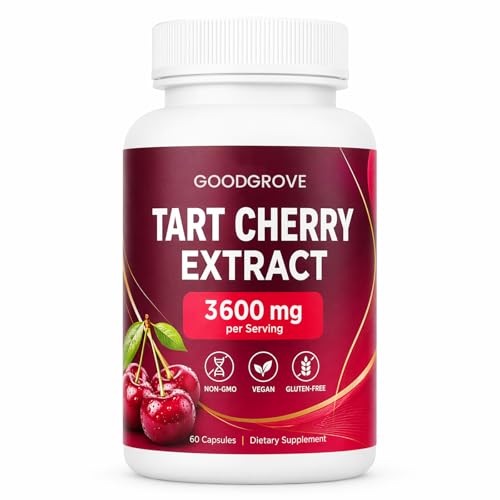

How Much Tart Cherry Extract Is Safe to Take Daily
A safe daily amount of tart cherry extract is generally about 30 to 60 ml, depending on its concentration. Exceeding this can increase risks like bleeding or kidney strain, especially in sensitive individuals.
Capsule forms usually recommend 1 to 2 capsules per day, roughly matching that 30 ml amount of concentrated extract. Avoid exceeding this amount without medical advice, as higher doses increase risks.
If you have any health conditions or take medications, check with your healthcare provider before starting tart cherry extract. They can advise on the right amount or suggest safer alternatives.
| Condition Severity | Safe Daily Amount | Notes |
|---|---|---|
| Mild Joint Inflammation | 15–30 ml (1 tablespoon–2 tablespoons) | Once or twice daily; lower doses to assess tolerance |
| Moderate to Severe Inflammation | 30 ml (2 tablespoons) | Split doses preferred; monitor for bleeding or potassium effects |
| Kidney Disease or Blood Thinner Use | Avoid or consult doctor | Higher bleeding and potassium risks; dose adjustments needed |
Safer Drink Alternatives to Tart Cherry Extract
Tart cherry juice and extract can cause bleeding risks and potassium overload, posing dangers for some people. If you’re concerned about these side effects, choose low-sugar, low-potassium fruit juices like apple or cranberry juice instead.

For joint support without blood-thinning effects, consider beverages with ingredients like ginger or turmeric. These offer anti-inflammatory benefits without impacting clotting.
If you have kidney disease, electrolyte drinks designed to balance fluids without excess potassium are safer choices. Always check labels for potassium content.
Learn more about tart cherry juice safety and natural arthritis support on our related pages “How Much Tart Cherry Juice Is Safe? Limits for Sensitive Groups” and “Tart Cherry Juice for Arthritis: A Natural Pain Relief Solution”.
When to Call Your Doctor About Tart Cherry Extract
Stop and seek medical advice if you notice unusual bruising or bleeding after taking tart cherry extract. Its blood-thinning compounds can increase bleeding risk, especially if you’re on blood thinners.
Worsening joint pain or new allergic reactions like swelling, rash, or difficulty breathing also require prompt medical attention. These could signal side effects or interactions needing evaluation.
If you take medications for kidney disease or have kidney problems, consult your healthcare provider before starting or continuing tart cherry extract. It may affect kidney function or interact with your medicines.
Always follow any specific instructions from your care team about tart cherry extract use, especially if you are preparing for medical procedures or managing chronic conditions.


