Pomegranate Juice for Sore Throat: Natural Relief & Benefits
On this page 7 sections
- Pomegranate Juice Can Help Relieve a Sore Throat
- How to Use Pomegranate Juice for Soothing Throat Pain
- Who Should Limit Pomegranate Juice for a Sore Throat
- Drinks That Can Make a Sore Throat Worse
- Safer Alternatives to Pomegranate Juice for Sore Throat Relief
- When to See a Doctor for a Sore Throat
- Frequently Asked Questions
A sore throat makes swallowing painful and uncomfortable. You want relief that actually helps, not just masks the pain.
Pomegranate juice offers natural compounds that ease inflammation and soothe irritation in your throat. This article explains how to use it safely and effectively.
Pomegranate Juice Can Help Relieve a Sore Throat
Pomegranate juice can soothe a sore throat by reducing inflammation and numbing pain. About 4 oz (half a cup) a day gently coats the throat, helping calm swelling and discomfort with its antioxidants and tannins.
Pomegranate juice contains tannins, plant compounds known to tighten tissues and reduce swelling. These tannins act as natural astringents that help numb sore spots and ease throat pain.
Its antioxidants, including vitamin C and polyphenols, lower inflammation by neutralizing free radicals, which can worsen irritation in the throat lining.
The juice is mildly acidic, with a pH around 3 to 4, which is less harsh than lemon juice but still acidic enough that it might sting if your throat is very raw or if you are sensitive to acidity.
Unlike lemon juice, which some find helpful for dry throat due to its vitamin C, pomegranate juice’s sweetness and lower acidity may be more soothing for sore throat pain.
Watch the sugar content on the label; added sugars can worsen inflammation. A pure pomegranate juice with no added sugars is best.
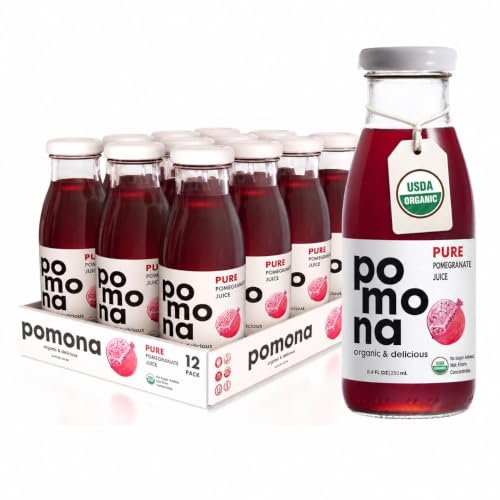
| Drink | Added sugar per serving | Servings | Total |
|---|---|---|---|
| 8.4 oz Pomona Organic Juice | 0 g | 0.5 | 0 g |
| Typical sweetened juice | 20 g | 0.5 | 10 g |
| Total | 10 g | ||
| Daily added sugar limit for most women (25 g) | 40% | ||
How to Use Pomegranate Juice for Soothing Throat Pain
You can use pomegranate juice in several ways to help ease throat discomfort.
Gargling with diluted pomegranate juice tightens throat tissues and reduces soreness. Mix 1 part juice with 3 parts water and gargle for 30 seconds before spitting it out.
Drinking small amounts of pure or slightly diluted pomegranate juice slowly coats the throat, providing a soothing barrier. About 4 oz (half a cup) once a day is enough.
You can have the juice cold to numb the pain or gently warmed to relax muscles and increase comfort. Avoid hot juice as it may irritate.
Some use pomegranate tinctures or concentrated extracts for throat relief. Follow product directions carefully—typically a few drops diluted in water, up to three times daily.
Pomegranate juice with added cloves is sometimes used to support iron levels, especially in women, since cloves contain compounds that may help with iron absorption.
Pomegranate juice may also help with uric acid management due to its antioxidants, which is an added benefit if you have gout alongside a sore throat.
Who Should Limit Pomegranate Juice for a Sore Throat
Pomegranate juice can interact with some medications, so caution is needed if you take blood thinners like warfarin or certain statins. The juice contains compounds that may affect how your body processes these drugs, which could increase bleeding risk or alter medication levels.
If you have gout, pomegranate juice is generally safe and not known to raise uric acid levels. However, its natural sugar content matters if you manage diabetes. About 4 oz of juice can contain 20 grams or more of sugar, which may affect blood sugar control.
The acidity of pomegranate juice can irritate a very raw or sensitive throat, especially if your sore throat is severe. You might find smaller sips or diluting the juice with water helps reduce discomfort.
Kidney health also plays a role. Pomegranate juice has potassium, so if you have kidney disease, check with your healthcare provider before adding it to your diet.
 Home Juicing Starter KitMake fresh juice that tastes good, costs less and keeps safely: 40 recipes with exact amounts, a yield chart and a 4-week plan.40 juice, smoothie and shot recipesYield, storage and food-safety chartsCost, yield and shopping-list calculator (Excel)
Drinks That Can Make a Sore Throat Worse
Acidic drinks like citrus juices or soda can sting an inflamed throat, making pain worse. Carbonated beverages, including sparkling water, add bubbles that may irritate the delicate throat lining further.
Sugary drinks feed bacteria and can prolong inflammation, so it’s best to avoid sodas and sweetened juices when your throat is sore.
Caffeine dries out the throat and can increase irritation. Drinking multiple cups of coffee or energy drinks may leave your throat feeling scratchier rather than soothed.
Some people find dairy milkshakes uncomfortable because they can thicken mucus, which may worsen congestion and throat discomfort. You might want to skip milk-based creamy drinks until your throat feels better.
Choosing drinks that don’t increase irritation helps your throat heal faster and reduces discomfort during cold or flu symptoms.
Safer Alternatives to Pomegranate Juice for Sore Throat Relief
You can soothe a sore throat with several gentle drinks besides pomegranate juice. A salt water gargle rinses away irritants and reduces swelling by drawing fluid out of tissues. Herbal teas like chamomile, ginger, or licorice root warm and calm the throat without acidity.
Honey dissolved in warm water coats the throat and has mild antimicrobial properties, easing pain and dryness. Low-acid fruit juices such as apple or pear provide hydration and a pleasant taste without stinging inflamed tissues.
Hydration itself is key. Warm liquids help loosen mucus and keep the throat moist, which speeds recovery. Avoid acidic citrus juices like lemon if your throat feels raw or dry, as they may worsen irritation.
Lime juice is generally not recommended for sore throats due to its acidity, which can sting and aggravate symptoms. Similarly, milkshakes might feel soothing at first but can thicken mucus and irritate some people’s throats, so they’re best tried cautiously if at all.
For more on lime juice and sore throat, see Is Lime Juice Good For Sore Throat. For milkshakes and sore throat, Milkshakes for Sore Throat: Do They Help or Hurt? offers detailed advice.
When to See a Doctor for a Sore Throat
A sore throat after drinking pop or other carbonated drinks usually resolves quickly but can cause temporary irritation. If you develop a fever with your sore throat, it may indicate an infection needing medical evaluation.
White patches on your tonsils, difficulty swallowing, or trouble breathing are red flags requiring prompt medical attention. These signs could signal bacterial infections or other serious conditions.
If your sore throat lasts more than seven days or worsens despite home care, see a doctor to rule out infections that need antibiotics. Pomegranate juice can help soothe symptoms but does not replace prescribed treatments for bacterial causes.