Pineapple juice is a popular tropical drink known for its bright flavor and vitamin content. It is made by pressing fresh pineapples, then pasteurizing the juice for shelf stability, often sold in cans or bottles.
Not all pineapple juices are equal in vitamin C content. Some brands add sugar or dilute the juice, which lowers the vitamin C concentration and increases calories. Understanding these differences helps you choose a juice that fits your health goals.
Which Pineapple Juice Brands Are High in Vitamin C
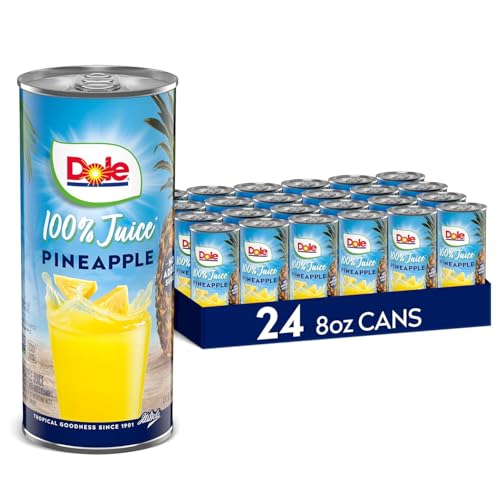
Pineapple juice brands high in vitamin C include 100% pure juices like Dole, which provide about 90 mg of vitamin C per 8 oz serving—roughly 100 to 120% of the daily value. Yes, pineapple juice does contain vitamin C, a vital antioxidant that supports immune health and tissue repair.

Pineapple juice is the liquid extracted by pressing fresh pineapple fruit, typically pasteurized and canned or bottled to ensure safety and shelf life. The vitamin C content in pineapple juice can vary depending on brand and processing; heat from pasteurization may reduce vitamin C slightly, but many brands retain high levels.
Dole 100% Pineapple Juice is an example of a brand with high vitamin C and no added sugar, offering a clear label to help you check the vitamin C amount. Tesco pineapple juice, depending on the product, generally falls in a similar range, but it’s important to check nutrition labels because some juices blend in other fruit juices or add sugars, which can affect nutrient content.
Reading labels is key: look for ‘100% pineapple juice’ without added sugars or fillers to ensure you get the natural vitamin C benefit. Labels also show the exact vitamin C percentage or milligrams per serving—this helps compare brands effectively.
| Drink | Vitamin c per serving | Servings | Total |
|---|---|---|---|
| 8 oz Dole 100% Pineapple Juice | 90 mg | 1 | 90 mg |
| 8 oz average pineapple juice | 80 mg | 1 | 80 mg |
| Total | 170 mg | ||
| Daily limit (90 mg) | 189% | ||
How Much Sugar and Acidity Are in Pineapple Juice
Pure pineapple juice naturally contains about 25 to 30 grams of sugar per 8 oz serving, all from the fruit’s natural sugars. Some brands add extra sugars or sweeteners, which can increase this amount significantly, so checking the ingredient list is important to avoid added sugars.
Pineapple juice has a pH around 3.2 to 4.0, making it moderately acidic. This acidity can aggravate acid reflux or a sensitive stomach, so people prone to these issues should limit intake or avoid brands with higher acidity or added acidic ingredients.
Avoid using pineapple juice brands with high added sugar or acidity if you have reflux, gastritis, or diabetes, as these factors can worsen symptoms or affect blood sugar control. Natural sugars still count, so portion size matters.
| Type of Juice | Typical Sugar (g per 8 oz) | pH (Acidity) |
|---|---|---|
| Pure Pineapple Juice | 25-30 | 3.2-4.0 |
| Apple Juice | 24-28 | 3.3-4.0 |
| Orange Juice | 20-25 | 3.3-4.2 |
Is Pineapple Juice Good for a Cough or Diarrhea
Pineapple juice is not a proven treatment for coughs, but it may soothe a sore throat in moderation. It contains an enzyme called bromelain, which some believe helps reduce mucus or ease coughing, though scientific evidence is limited and mixed.
Bromelain acts as a mild anti-inflammatory and may help thin mucus slightly, but clinical studies have not confirmed strong benefits for cough relief. If you choose to try pineapple juice for a cough, about 4 to 8 oz (half to one cup) once a day is reasonable.
Pineapple juice is not recommended for diarrhea or an upset stomach. Its high acidity and natural sugars can irritate the digestive tract, potentially worsening diarrhea or stomach discomfort.
For diarrhea, it’s better to stick to clear fluids like water, oral rehydration solutions, or herbal teas that are gentle on your system. If you accidentally drink pineapple juice while having diarrhea, watch for increased cramping or loose stools and switch to milder drinks.
What Does Pasteurized Pineapple Juice Mean for Vitamin C
Pasteurized pineapple juice is juice that’s been heated briefly to kill harmful bacteria and extend shelf life. This process helps make juice safe, especially when packed in cans or bottles for long storage.

Heating during pasteurization causes some loss of vitamin C because this nutrient is sensitive to heat. Typically, pasteurized juice has about 10 to 30% less vitamin C than fresh juice immediately after processing.
Vitamin C levels also decline gradually during storage, especially if exposed to light or oxygen. Shelf-stable canned juice generally has lower vitamin C than freshly pressed refrigerated juice.
Packaging plays a role in vitamin C retention. Cans and opaque bottles protect against light, slowing vitamin C loss, while clear plastic or glass bottles may allow faster degradation.
You’ll find pasteurized pineapple juice mainly in cans or shelf-stable cartons to keep it safe and fresh longer. This explains why pineapple juice often comes in cans rather than just fresh in stores.
How to Choose Pineapple Juice for Your Health Needs
Not all pineapple juices are equal in vitamin C content. Some brands offer mostly pineapple-flavored drinks with little to no actual vitamin C. Always check the nutrition label to avoid these.
Juices sold in cans can be just as nutritious as bottled ones if they are 100% pineapple juice without added sugar or preservatives. The can protects the juice from light, preserving freshness and vitamin C better than some clear bottles.
Portion control matters because drinking more than one serving increases sugar and calories, which can be a concern if you monitor blood sugar or weight. Drinking about 8 oz (one cup) once a day provides a solid vitamin C boost without excess sugar.
If you want to explore other juices high in vitamin C, look into cranberry juice options, which may offer similar antioxidant benefits with different flavor profiles and sugar contents cranberry juice.