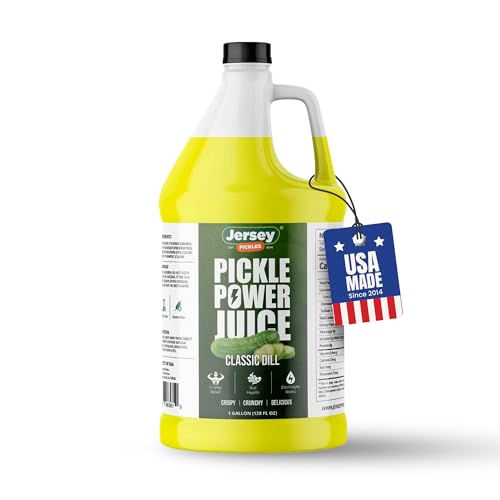
Hangover advice changes slowly. For decades, the standard line was simple: drink water, take aspirin, and wait it out. Pickle juice was a folk remedy, passed around locker rooms and tailgate parties. People swore by it. Doctors shrugged.
That shifted in the last ten years. Sports science started studying pickle juice for muscle cramps, not hangovers. The results were surprising. The brine worked, but not for the reasons anyone assumed. Researchers found the relief had less to do with hydration and more to do with a nerve reflex in the throat.

PicklePill
Pickle Pill - Cramp Defense, Rapid Muscle…
- NERVE DEFENSE - Pickle Pill was created to help free you from muscle discomfort that comes from sports, exercise, vitamin and mine…
- ENHANCED WITH VITAMINS - Proprietary blend that is carefully crafted from the finest quality ingredients to help elevate relief. C…
- MUSCLE SUPPORT - Electrolytes are a natural way to provide relief from cramps, add hydration, & support other bodily functions. Un…
That discovery changed how experts view pickle juice for hangovers. It also exposed a lot of old advice as incomplete or flat wrong.

The Old Advice That Turned Out Wrong
The first big mistake was the salt theory. People assumed pickle juice cured hangovers because sodium replaced what alcohol flushed out. That logic sounds solid. It is not the whole story.
Studies on muscle cramps showed pickle juice stopped cramps within minutes, far faster than any fluid could reach the bloodstream. The same timing applies to a hangover. If you feel the effect in under five minutes, it is not hydration. It is a neurological response.
The second wrong idea was that more pickle juice is better. Downing a full jar seems reasonable. It is not. The vinegar and salt load can irritate an already sensitive stomach. A hangover stomach is not a healthy stomach. The standard advice of chugging pickle juice often made nausea worse.
The third error was treating pickle juice as a substitute for water. It is not. Pickle juice is a supplement, not a replacement. You still need plain water. The old advice blurred that line.
What Was Always Situational
Some pickle juice advice was never universally true. It depended on the person and the situation.
For someone with low blood pressure, the sodium spike can genuinely help. For someone with hypertension, the same spike is risky. The advice was always conditional on your baseline health.
The type of pickle juice matters too. A fermented, probiotic-rich brine from refrigerated pickles behaves differently than a shelf-stable vinegar brine. The probiotic version supports gut health, which helps a hangover indirectly. The vinegar version mainly triggers the nerve reflex. Neither is bad, but they are not interchangeable.
Timing was always situational as well. Pickle juice before drinking might help maintain electrolyte balance. Pickle juice after drinking helps with the acute symptoms. The old advice rarely distinguished between the two.
What Has Not Changed
One thing remains constant: dehydration is the core of a hangover. Alcohol suppresses vasopressin, a hormone that tells your kidneys to retain water. You lose more fluid than you take in. No amount of pickle juice changes that mechanism.
Another constant is the value of electrolytes. Sodium, potassium, and magnesium all drop after heavy drinking. Replacing them helps. Pickle juice provides these, but so do sports drinks and oral rehydration salts. The delivery method is less important than the actual minerals.
The third constant is time. No remedy erases a hangover. The liver processes alcohol at a fixed rate. Anything that claims instant sobriety or complete symptom removal is lying. Pickle juice can reduce severity, not eliminate the event.
The Modern Take: Capsules Over Brine
The science has moved past drinking brine. The active ingredients are electrolytes and minerals, not the vinegar liquid itself. That realization led to products like PicklePill capsules, which deliver the same compounds without the taste or the sodium overload.
PicklePill uses a proprietary Beed Mineral wrapping technology. That is a fancy way of saying they put liquid minerals into a capsule form. The company claims each serving holds 10 times the electrolytes of standard pickle juice. It also skips the ultra-high sodium content that makes drinking brine a double-edged sword.
The formula includes potassium, magnesium, chloride, zinc, and vitamin D3, plus over 70 trace minerals. That covers more ground than plain pickle juice. The capsules are designed for muscle cramps and recovery, but the same electrolyte balance applies to hangover symptoms.
One honest caveat: the capsules take longer to kick in than drinking liquid. The nerve reflex in the throat does not activate with a pill. You are waiting for digestion and absorption, which means 20 to 30 minutes instead of 2. That is a real trade-off for people who want instant relief.
On the plus side, you avoid the stomach irritation. No vinegar, no excess salt, no gag reflex. For someone already nauseous, that is a significant advantage.
How to Use Pickle Juice or Capsules for a Hangover
If you stick with actual pickle juice, use a small amount. Two to three ounces is enough. Do not drink the whole jar.
Take it after your last drink or first thing in the morning. The nerve reflex works fastest on an empty stomach. Follow it with a full glass of water. The water handles hydration while the pickle juice handles the electrolyte shift.
If you use capsules, read the serving size. PicklePill recommends up to three capsules daily with water. You can take them all at once or spread them out. Morning is usually best for hangover symptoms because that is when electrolyte depletion peaks.
Do not rely on pickle juice alone. Eat something light, get rest, and drink water throughout the day. The brine or capsules are a tool, not a cure.
Comparing Pickle Juice and Capsules
| Factor | Liquid Pickle Juice | PicklePill Capsules |
|---|---|---|
| Speed of relief | Minutes, via nerve reflex | 20-30 minutes, via digestion |
| Sodium content | Very high | Balanced, lower |
| Taste | Strong vinegar and salt | None |
| Stomach irritation | Possible, especially if nauseous | Minimal |
| Electrolyte variety | Primarily sodium and some potassium | Potassium, magnesium, zinc, D3, 70+ trace minerals |
| Portability | Requires refrigeration after opening | Fits in a pocket |
| Best for | Immediate cramp or headache relief | Overnight recovery and prevention |
Neither option is perfect. Liquid works faster but tastes awful and hits your stomach hard. Capsules are gentler but require planning ahead. For most people, the capsules are the better all-around choice. For the rare moment you need instant relief, keep a small bottle of brine in the fridge.
What the Research Actually Says
Clinical studies on pickle juice and hangovers are thin. Most of the evidence comes from muscle cramp research, which uses the same electrolyte mechanisms. A 2026 study in the Journal of Athletic Training found pickle juice relieved cramps in 85 seconds. That is faster than water or sports drinks.
Healthline and other medical sources note the evidence for hangover relief is mostly anecdotal. The science behind pickle juice for hangovers rests on electrolyte replacement and the nerve reflex, not on any hangover-specific trial.
That does not mean it fails. It means the research has not caught up to the practice. The mechanisms are sound. The mineral depletion is real. The nerve reflex is documented. The combination is plausible, even if direct proof is still pending.
One thing the research does support is the danger of excess sodium. Drinking too much pickle juice can spike blood pressure. That is why the capsule approach or a measured two-ounce shot is the safer route.
Practical Tips for Hangover Prevention
Prevention beats treatment. The best strategy is to alternate alcoholic drinks with water. One glass of water per drink cuts the dehydration effect significantly.
Take electrolytes before you start drinking. A capsule or a small glass of pickle juice beforehand primes your system. You lose fewer minerals overnight, which means a milder morning.
Eat a meal with fat and protein before alcohol. Food slows absorption and gives your liver something to work with. Empty stomach drinking guarantees a worse hangover.
Skip the dark liquors if you are prone to hangovers. Bourbon, whiskey, and red wine contain congeners, which are byproducts of fermentation. They make hangovers worse. Clear spirits like vodka and gin have fewer.
For anyone preparing fresh juice regularly, the same electrolyte principles apply. A cold press juicer for daily drinks can support overall hydration, but it will not replace the targeted mineral replacement that pickle juice offers.
When to Skip Pickle Juice Entirely
Some people should not touch it. Anyone with high blood pressure, kidney disease, or a doctor-recommended low-sodium diet should avoid pickle juice and high-electrolyte capsules. The sodium load is not worth the symptom relief.
Pregnant women should consult a healthcare provider. The safety data on high-sodium supplements during pregnancy is not established.
If you are on diuretics or blood pressure medication, check with your doctor first. Electrolyte supplements can interact with these drugs in unpredictable ways.
If you have a history of stomach ulcers or acid reflux, the vinegar in liquid pickle juice will likely make it worse. Capsules avoid that issue, but the high mineral concentration can still upset a sensitive gut.
The Bottom Line on Pickle Juice and Hangovers
Pickle juice works, but not as a magic cure. It is a targeted electrolyte supplement with a fast-acting nerve reflex. The old advice to chug it was wrong. The new advice is to use it in small, measured amounts or switch to a capsule form like PicklePill.
The science shifted because researchers stopped treating pickle juice as a folk remedy and started testing it as a physiological intervention. The result is a more nuanced picture. It helps, but it is not a substitute for water, food, or sleep.
For most people, a two-ounce shot of pickle juice or a few capsules with water will take the edge off a hangover. It will not erase it. Nothing does. That is the honest answer, and it is also the useful one.
If you decide to try the capsule route, check the current price on Amazon to see if it fits your budget. The convenience of no taste and no stomach irritation is worth something, but only you can decide how much.
For those who prefer the traditional route, keep a jar of dill pickle brine in the fridge. Use it sparingly. Your stomach and your blood pressure will thank you.