Choosing between pasteurized and non-pasteurized juice depends on your health needs and taste preferences. Pasteurization kills harmful microbes, making juice safer but slightly alters nutrients and flavor.
Non-pasteurized juice is closer to fresh but may pose risks, especially for people with immune issues or before medical procedures.
Pasteurized Juice vs Non-Pasteurized Juice at a Glance
| Factor | Pasteurized Juice | Non-Pasteurized Juice |
|---|---|---|
| Sugar and Calories | Similar natural sugar levels, usually no added sugars | Similar natural sugar levels, usually no added sugars |
| Caffeine Content | Typically none in fruit juices | Typically none in fruit juices |
| Acidity and Stomach Effects | Lower acidity, gentler on reflux and sensitive digestion | Higher acidity, may worsen reflux symptoms |
| Electrolytes and Hydration | Provides potassium and electrolytes naturally | Provides potassium and electrolytes naturally |
| Nutrient Levels | Slight loss of vitamin C and enzymes due to heat | Retains more natural nutrients and enzymes |
| Cost per Serving | Higher cost due to processing and safety testing | Lower cost, less processing involved |
| Taste and Culinary Use | Milder flavor, longer shelf life | Stronger, fresher taste but shorter shelf life |

SPLASH REFRESHER Flavored Water Bottles Lemon
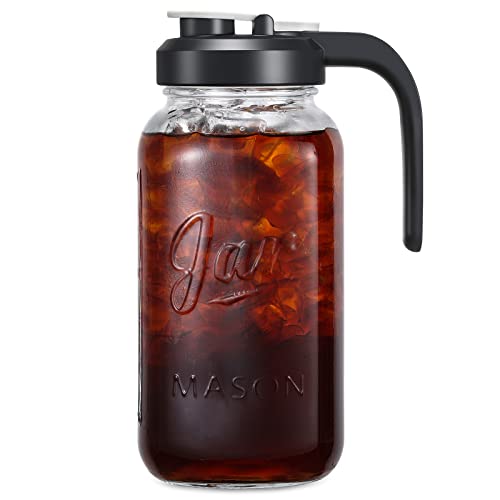
AOZITA 2 Quart Glass Pitcher with Lid
Check the Label for Added Sugar and Calories
Pasteurized and non-pasteurized juices usually contain similar levels of natural sugars from the fruit itself, so their calorie counts are often close. Both start with the same fruit base; pasteurization is a heat process to kill bacteria and does not remove or add sugars.
Added sugars, however, can vary significantly between brands and juice types regardless of pasteurization. Some juices have syrups or sweeteners added after pressing, so reading the nutrition label is essential to understand the total sugar and calorie content you’re drinking.
Calories in fruit juice primarily come from its natural sugars. Since pasteurization doesn’t chemically alter these sugars, calorie differences between pasteurized and non-pasteurized juice are usually negligible. If you’re watching calories for weight, blood sugar, or other health reasons, focus on the label’s total sugars and calories rather than whether the juice is pasteurized.
The terms pasteurized and non-pasteurized refer to whether the juice has been heat-treated to extend shelf life and reduce pathogens. Pasteurized juice is heated to kill microbes, while non-pasteurized juice is raw and may carry a higher risk of contamination, but this process does not influence sugar or calorie levels.
Consider Caffeine Content When Choosing
Most fruit juices, whether pasteurized or non-pasteurized, naturally contain no caffeine. The pasteurization process does not affect caffeine content because fruit juice usually does not have caffeine to begin with.
Some specialty juice blends or drinks marketed as energy juices may include added caffeine or caffeine-containing ingredients like guarana or green tea extracts. In those cases, caffeine content depends on the formulation, not pasteurization status.
If caffeine intake matters for your health condition, medication, or procedure, always check the product label. Caffeine amounts can vary widely in specialty blends but are unrelated to whether the juice is pasteurized or raw.
Understanding the difference between pasteurized and non-pasteurized juice helps, but caffeine concerns focus more on added ingredients than on the juice’s heat treatment. For a simple fruit juice, caffeine is not a concern regardless of pasteurization.
How Acidity Differs and Its Effect on Your Stomach
Pasteurized juice is generally less acidic than non-pasteurized juice, which can make a difference if you have reflux or sensitive digestion. The pasteurization process slightly reduces acidity, softening the juice’s impact on your esophagus and stomach lining.
For example, pasteurized orange juice usually has a milder pH compared to unpasteurized orange juice. This means it’s less likely to cause discomfort or trigger reflux. Non-pasteurized lemon juice is notably more acidic and can irritate an already sensitive stomach more often.
Acidity is measured by pH, and while the difference between pasteurized and non-pasteurized juices may seem small, it matters when your digestive tract is prone to irritation. Pasteurized juices tend to hover around a slightly higher pH, making them gentler.
If you have reflux, gastritis, or frequent heartburn, opting for pasteurized juice is safer. If you prefer non-pasteurized juice, diluting it with water can reduce the acidity and lower the chance of irritation.
Electrolytes and Hydration Support
Both pasteurized and non-pasteurized juices naturally provide potassium and some electrolytes that support hydration. Pasteurization does not significantly lower electrolyte content, so either option hydrates effectively.
Juices’ hydration benefit comes from their fluid and electrolyte content. That stays stable through pasteurization, so you don’t lose much by choosing the safer, pasteurized variety.
Non-pasteurized juice may have enzymes that aid digestion, but these do not noticeably affect hydration. Be mindful of added sugars, which can counter hydration by pulling water into the gut and potentially causing thirst.
If hydration is your goal, focus on plain juice with low or no added sugar. Both types can hydrate well when you watch sugar content and drink appropriate amounts.
For juice safety and electrolyte balance, pasteurized juice offers hydration with less risk, especially if you have health concerns or upcoming procedures.
Pasteurization’s Effect on Nutrient Levels
Yes, pasteurization does slightly reduce some nutrients in juice, particularly vitamin C and certain enzymes, but it preserves most other vitamins and minerals well enough for daily needs.
Non-pasteurized juice retains more active enzymes and higher levels of vitamin C because it bypasses the heat process that breaks down these components.
This advantage comes with a trade-off: non-pasteurized juice spoils faster and requires faster consumption or refrigeration to keep nutrients intact and the juice safe.
For example, a typical 8 oz glass of pasteurized orange juice still provides about 50 to 100 mg of vitamin C, which covers a good portion of the daily recommended intake for most adults.
If you rely on juice as a key source of vitamin C or enzymes, balancing this nutritional benefit with the risk of spoilage and contamination is important.
| Nutrient | Pasteurized Juice | Non-Pasteurized Juice |
|---|---|---|
| Vitamin C | Moderate, 80-90% retained | Higher, fresh levels |
| Enzymes | Mostly inactive | Active |
| Minerals (Potassium, Magnesium) | Stable | Stable |
| Shelf Life | Longer, weeks refrigerated | Shorter, days refrigerated |
To keep vitamin C high in non-pasteurized juice, store it cold and consume within a day or two. Pasteurized juice offers more convenience with a longer fridge life while still supplying important nutrients.
If fresh nutrient intake is a priority, a small daily serving of non-pasteurized juice—about 4 oz—can be a good choice, but pasteurized juice remains a reliable source for most people.
Cost per Serving and Budget Considerations
Pasteurized juices usually cost more per serving due to the expenses involved in heating, packaging, and safety testing during processing.
Non-pasteurized juice often comes at a lower price point but spoils faster, which can lead to waste if not consumed quickly.
Availability affects cost as well; non-pasteurized juice is less common in many areas and often tied to local or seasonal supply, which may affect your options and prices.
Evaluating cost involves looking beyond the shelf price to how safely and how long the juice can be stored.
If you shop for non-pasteurized juice, plan to consume it within a day or two to avoid spoilage costs, while pasteurized juice offers more flexibility for longer storage.
Balancing your budget with safety and storage needs helps you choose the juice that fits your lifestyle best.
Taste and Culinary Uses
The difference between pasteurized and non-pasteurized juice is clear in taste and use. Non-pasteurized juice offers a fresher, more vibrant flavor because it hasn’t been heated, which preserves the natural brightness of the fruit. This freshness can vary batch to batch, sometimes resulting in inconsistent taste.

Pasteurized juice, such as orange juice, has a milder, cooked flavor due to the heat treatment process that kills bacteria and extends shelf life. This stability makes it a practical choice for daily drinking and recipes where a consistent flavor and longer storage are important.
If you enjoy making cocktails or fresh recipes like salad dressings or smoothies, non-pasteurized juice often shines. Its lively flavor enhances the final dish in ways a pasteurized product cannot match, though you’ll need to keep it refrigerated and use it quickly.
Conversely, pasteurized juice suits cooking applications that require juice to hold up over time, such as sauces or baking, where the heat and longer shelf life matter more than a sharp, fresh taste. Its predictable flavor profile helps maintain recipe consistency.


