What an Oraange Juice Making Machine Is and How It Works
On this page 9 sections
- Oraange Juice Making Machines and How They Work
- How to Use Citric Acid Safely When Making Juice
- Vitamin C and Sugar Content in Oraange Juice
- Making Apple Juice and Other Fruit Juices: Differences and Tips
- Blenders, Mixies, and Fiber in Juice
- What to Do Next: Choose, Use, and Maintain Your Juice Machine
- Features of an Oraange Juice Making Machine
- Orange Fruit Juice Machines and How They Work
- More Questions, Answered
Juice machines designed for oranges, often called oraange juice making machines, come in different types and sizes. They work by pressing, reaming, or grinding the orange to release juice without much pulp or fiber loss.
Understanding what these machines do, the sugar and acid levels in fresh orange juice, and who should be cautious can help you enjoy your juice without surprises.
Oraange Juice Making Machines and How They Work
An oraange juice making machine is a device designed to extract juice from oranges by pressing, grinding, or reaming the fruit. It quickly turns fresh oranges into juice with minimal waste and varying amounts of pulp and fiber depending on the type.

These machines come mainly in three types: manual, electric, and commercial. Manual juicers use hand pressure to squeeze juice out and are simple to clean but require effort. Electric juicers speed up the process with a motor and often produce more juice with less work. Commercial machines handle large volumes and are used in stores or juice bars.
The extraction process usually involves cutting or piercing the orange, then pressing or grinding it against a ridged surface or within a chamber. Manual reamers require you to twist the orange half against a cone-shaped ridged part that crushes the fruit’s cells to release juice. Electric models use similar reamer cones but spin automatically. Some machines crush the fruit with rotating blades or presses to maximize yield.
Juice quality varies by machine type. Manual juicers often leave more pulp and fiber, which many people prefer for texture and nutritional benefits. Electric juicers can filter out more pulp, producing a clearer juice but sometimes losing fiber and altering the flavor. The flavor depends on how much oil is released from the peel; some machines minimize peel contact to reduce bitterness.
| Type | How It Works | Pulp Level | Effort | Suitable For |
|---|---|---|---|---|
| Manual | Hand-pressed reaming | High | More effort | Home use, small batches |
| Electric | Motorized reaming or pressing | Medium to low | Low effort | Daily home use, medium batches |
| Commercial | Large-scale pressing or grinding | Variable | Automated | Stores, juice bars, large batches |
How to Use Citric Acid Safely When Making Juice
You use citric acid in juice making mainly to enhance flavor and preserve freshness by slowing spoilage. It adds tartness that mimics natural citrus acidity and helps prevent oxidation that turns juice brown.
Typical amounts added range from about 0.1% to 0.3% of the juice weight, which translates to roughly 1/8 to 1/4 teaspoon per cup (8 oz) of juice. Adding too much citric acid can make the juice unpleasantly sour and may irritate sensitive stomachs.
Citric acid adjusts the juice’s pH to around 3 to 4, creating an acidic environment that inhibits bacterial growth and enzymatic browning. This extends the juice’s shelf life, especially if refrigerated and stored in airtight containers.
Safety-wise, citric acid is generally safe for most people in these small amounts but can worsen acid reflux or mouth irritation in sensitive individuals. If you notice discomfort after drinking juice with added citric acid, reduce the amount or avoid it altogether.
Vitamin C and Sugar Content in Oraange Juice
An 8 oz (240 ml) glass of oraange juice typically contains about 90 mg of vitamin C, covering the daily recommended intake for most adults. This vitamin supports immune function and tissue repair, making fresh juice a good source.
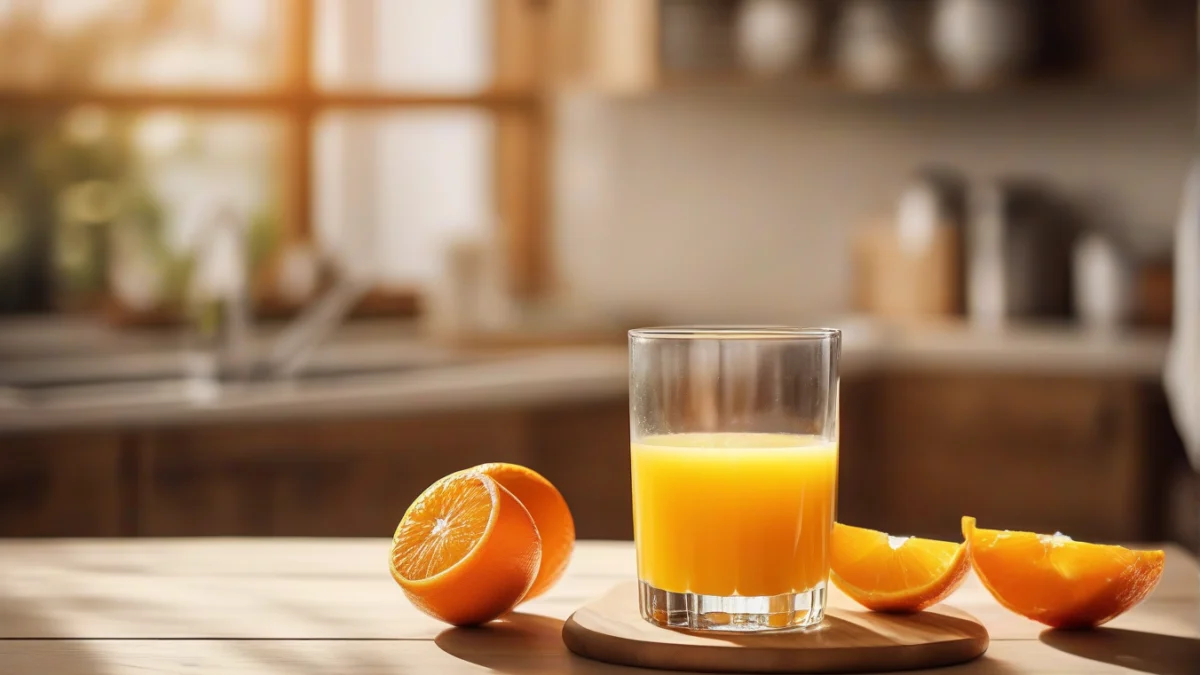
Natural sugar in the same serving ranges from 20 to 25 grams, mostly fructose. This sugar adds calories and can impact blood sugar levels, so it’s important to keep the amount in mind.
| Nutrient | Amount per 8 oz (240 ml) |
|---|---|
| Vitamin C | 90 mg |
| Natural sugar | 20-25 g |
Most healthy adults can safely consume one 8 oz glass daily without exceeding sugar recommendations. The American Heart Association advises limiting added sugars to about 25 g for women and 36 g for men, but natural sugars still contribute to total intake.
People with diabetes or insulin resistance should be more cautious, as the juice’s sugars can raise blood glucose quickly. Those managing weight or dental health may also want to moderate intake.
Compared to other fruit juices, oraange juice often has higher vitamin C but similar or slightly higher sugar than apple or grape juice. Cranberry juice tends to be lower in sugar but more acidic.
If you’re wondering how much vitamin C in oraange juice you can drink a day, sticking to one glass is a balanced choice for most. Drinking more adds sugar and calories, which might outweigh the benefits.
| Drink | Sugar per serving | Servings | Total |
|---|---|---|---|
| 8 oz oraange juice | 22 g | 1 | 22 g |
| 8 oz apple juice | 24 g | 1 | 24 g |
| Total | 46 g | ||
| Daily added sugar limit for men (36 g) | 128% | ||
 Home Juicing Starter KitMake fresh juice that tastes good, costs less and keeps safely: 40 recipes with exact amounts, a yield chart and a 4-week plan.40 juice, smoothie and shot recipesYield, storage and food-safety chartsCost, yield and shopping-list calculator (Excel)
Making Apple Juice and Other Fruit Juices: Differences and Tips
Making apple juice differs from oraange juice mainly because apples need grinding or crushing before pressing, while oraanges are often reamed or pressed whole. This means apple juicers often have stronger motors or different mechanisms.
Apple juice typically contains more pulp and fiber unless you strain it thoroughly. Managing pulp depends on your juicer’s filter and how much texture you prefer in your juice.
You can freeze apples for making juice later. Frozen apples thaw with some loss of firmness but still yield good juice. Peel or core them before freezing for easier juicing.
Muscadines require special care because of their thick skins and seeds. Use a machine capable of handling tougher fruit or remove seeds before juicing. This prevents damage and improves juice clarity.
Canned peaches can be juiced but usually contain added sugars and preservatives. Rinse them well, and expect sweeter juice with different acidity. Fresh fruit is generally better for nutritional value.
Making apple juice is straightforward with a grinder or press, while oraange juicers often focus on reaming. Muscadines and canned peaches need adapted approaches to get the best juice without harming your machine.
For more on making juice taste better or picking the right machine, see 5 Easy Ways to Make Your Juice Taste Better.
Blenders, Mixies, and Fiber in Juice
Using a blender or mixie does not destroy fiber; it actually retains the fruit’s fiber by pulverizing the whole fruit, including pulp and skin if used. Juicing machines, by contrast, separate juice from pulp and discard most of the fiber.
Fiber content in blended drinks remains close to the original fruit’s total fiber, while juiced drinks have significantly less. For example, a cup of blended orange includes both soluble and insoluble fiber, which slows sugar absorption and supports digestion.
Making juice with a Ninja blender keeps fiber intact because it blends the entire fruit into a smoothie-like texture. Unlike centrifugal juicers that strain out pulp, blenders preserve fiber’s health benefits, such as stabilizing blood sugar and promoting fullness.
Fiber slows digestion, so blended drinks have a gentler impact on blood sugar than clear juice, which can spike glucose levels quickly. For those managing diabetes or trying to control appetite, blending is usually a better choice.
What to Do Next: Choose, Use, and Maintain Your Juice Machine
Cleaning your juice machine promptly after each use prevents pulp buildup and mold. Disassemble removable parts and wash them with warm soapy water. Some machines have dishwasher-safe components, but check the manual.
Avoid common mistakes like overfilling the machine or using excessive force, which can damage blades or motors. For electric machines, never bypass safety locks or operate with wet hands.
Features of an Oraange Juice Making Machine
An orange juice machine is a device designed specifically to extract juice from oranges by pressing, grinding, or reaming the fruit. These machines make it easier and faster to get fresh orange juice at home or in small commercial settings.
Some models use a reamer that presses into the orange halves, while others crush or press whole fruits. Choosing the right machine depends on how much juice you want, how often you plan to use it, and how much pulp or fiber you prefer in your juice.
Orange Fruit Juice Machines and How They Work
An orange fruit juice machine is a device specifically designed to extract juice from oranges by pressing, grinding, or reaming the fruit. These machines vary in style, from manual reamers to electric juicers, each aimed at efficiently separating juice while minimizing waste.
Using the right machine helps preserve the natural flavor and nutrients of the orange juice, making it suitable for daily consumption or recipe use. When choosing a machine, consider factors like ease of cleaning, juice yield, and whether it handles whole oranges or just halves.