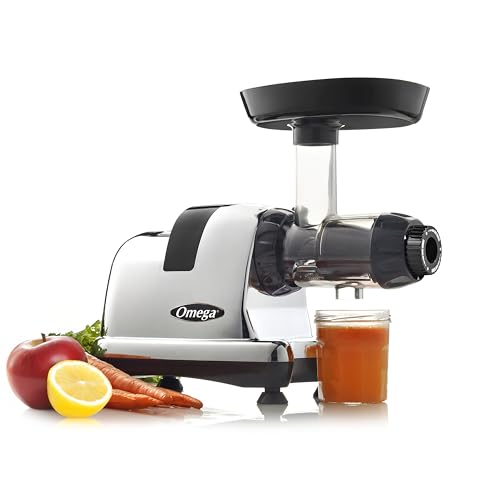
Omega cold press juicers use a slow squeezing action to extract juice, preserving more vitamins and enzymes than faster juicers. This process reduces heat buildup and oxidation, which can degrade nutrients and flavor.
Choosing the right omega cold press juicer means understanding how they work, the benefits they offer, and what to expect in terms of cleanup, noise, and juice yield.
What Omega Cold Press Juicers Are and How They Work
Omega cold press juicers are slow masticating machines that extract juice by gently crushing fruits and vegetables using a low-speed auger. This method preserves nutrients and reduces heat and oxidation compared to traditional juicers. Omega juicers operate at about 80 revolutions per minute (RPM), which is key to their slow juice extraction process.

Cold press juicing means the produce is squeezed slowly rather than shredded or spun at high speed. The auger slowly presses the fruits or vegetables against a screen, minimizing exposure to heat and air that can break down vitamins and enzymes. This helps keep juice fresher and richer in nutrients for longer.
The typical Omega juicer motor runs around 150 to 200 watts, providing enough power to crush tough produce without generating excessive heat. This slow masticating technology also reduces foam and juice separation, giving you a smoother, more consistent drink.
| Feature | Omega Cold Press Juicer | Centrifugal Juicer |
|---|---|---|
| Motor speed | About 80 RPM | Up to 15,000 RPM |
| Juice extraction | Slow crushing by auger | Fast spinning blades |
| Heat and oxidation | Low, preserves nutrients | Higher, may degrade nutrients |
| Juice quality | Less foam, longer-lasting | More foam, separates quickly |
Key Features and Differences Among Popular Omega Models
Popular Omega cold press juicers vary mainly in motor power, speed, and added functions, affecting juice yield and versatility. For example, the Omega NC900HDC juicer features a 200-watt motor running at 80 RPM that efficiently extracts juice with minimal oxidation and heat build-up.
Many Omega models include extra attachments or functions such as making nut butters, baby food, pasta, and sorbets, making them more than just juicers. The batch hopper size also differs; some models have large-capacity hoppers allowing hands-free operation by loading fruits and vegetables all at once.
Cleaning ease varies by model but generally, Omega juicers are designed for quick disassembly and dishwasher-safe parts. Noise levels are low due to the slow motor speed, making them quieter than many centrifugal juicers.
| Model | Motor Power (Watts) | Speed (RPM) | Extra Functions | Batch Hopper Size | Noise Level |
|---|---|---|---|---|---|
| Omega NC900HDC | 200 | 80 | Nut butters, baby food, pasta, sorbets | Large | Low |
| Omega Cold Press Juicer 150W | 150 | 80 | Basic juice extraction | Medium | Low |


Nutritional Impact and What to Expect From Juice
Omega cold press juicers produce juice with less foam and oxidation compared to centrifugal models because their slow auger crushes produce gently without excessive heat. This preserves more nutrients and enzymes that are sensitive to air and heat exposure.

Cold press juice generally has natural sugar and acidity levels similar to the original fruits or vegetables used. You won’t find added caffeine in most fruit and vegetable juices, making them a good choice if you want to avoid stimulant effects.
Slow masticating juicers like Omega handle leafy greens and wheatgrass better because their auger extracts juice thoroughly without overheating or clogging, which can happen with faster juicers. This means you get more nutrients from greens that are otherwise tough to juice.
People with reflux often tolerate cold press juice better due to lower foam and less irritation from acidity. Those managing diabetes should note that natural sugars remain but juicing removes fiber, so juice intake should be limited and balanced with whole foods. Immune-supportive nutrients like vitamin C and antioxidants are better preserved by cold pressing, benefiting overall health.
Some Omega juicer reviews highlight its quiet operation and nutrient-rich juice yield. Compared to a Nama juicer, which also uses slow masticating technology, the Omega often runs cooler and has a wider range of models for different needs. Thermal overheating rarely occurs with Omega juicers because their motors are designed for continuous low-speed use, reducing heat buildup.
Common Issues and How to Maintain Your Omega Juicer
Common problems with Omega juicers include jams, motor not starting, or the juicer only running in reverse. These often result from overloading, improper assembly, or tough produce pieces blocking the auger.
Cleaning after each use prevents pulp buildup that can cause jams and motor strain. Use the brush provided to clean the screen thoroughly and rinse parts promptly. Avoid using excessive force when assembling or disassembling parts to keep them in good condition.
Omega offers warranties covering motor and parts defects, and customer support is available for troubleshooting advice or replacement parts. Keep your purchase information handy for warranty claims.
How Omega Cold Press Juicers Compare to Other Juicer Types
Omega cold press juicers stand out from centrifugal juicers by operating at lower speeds, which means they produce less heat and noise. This slower process preserves more nutrients and yields juice with less foam, though it takes a few extra minutes to complete each batch.
Compared with fast-spinning centrifugal models, Omega juicers generally extract more juice from leafy greens and hard vegetables due to their powerful, slow auger mechanism. Centrifugal juicers often run louder and can warm the juice slightly, leading to quicker oxidation, which reduces freshness and nutrient quality.
| Juicer Type | Speed (RPM) | Noise Level | Juice Yield | Heat Generation |
|---|---|---|---|---|
| Omega Cold Press | 80-100 | Low | High | Minimal |
| Centrifugal | 6,000-14,000 | High | Moderate | Notable |
Omega juicers also differ from other slow juicer brands like Ninja Cold Press and Nama. Ninja models typically come at a lower price point and offer multi-functionality, such as blending and food processing, but their juice yield and build quality often fall short of Omega’s consistent nutrient preservation and durability. Nama juicers are comparable in juice quality but tend to be more expensive and less widely available.
The Oscar juicer is another competitor worth mentioning. It matches Omega in slow masticating technology but usually costs more and has a more complex cleaning process. Both brands produce nutrient-rich juice with minimal oxidation, but Omega models often have more user-friendly features and better customer support.
Choosing between these juicers depends on your priorities. If you want the quietest machine with the highest nutrient retention and durability, Omega is a solid pick. If you prefer a budget-friendly appliance that can also blend and process, Ninja might suit you better. Oscar juicers appeal to those who prioritize juice quality and don’t mind extra maintenance.
If you’re deciding between an Omega and a Ninja cold press juicer, consider what matters most: Omega offers a more robust build and slightly better juice quality, while Ninja delivers versatility and cost savings. For a deeper dive into how Omega compares with Oscar juicers, see Oscar vs Omega Juicer.