Modern Cranberry Juice Extraction: Maximizing Flavor & Nutrients
On this page 10 sections
- The Science of the Slurry: Why Cranberries Are Difficult to Juice
- Cold-Pressed vs. Hot Press: The Temperature Trade-Off
- Enzyme-Assisted Extraction: Unlocking the Cell Wall
- Membrane Filtration: Clarity Without Nutrient Loss
- The Art of Debittering and Flavor Balancing
- From Pomace to Profit: Sustainable Co-Products
- Choosing Your Method: Craft Scale vs. Industrial Scale
- The Future: High-Pressure Processing (HPP) and Beyond
- Frequently Asked Questions
- What to Do With This Information
You’ve bought a bag of fresh cranberries, hauled out your juicer, and ended up with a thick, bitter sludge that tastes more like tree bark than the ocean spray you remember. The problem isn’t the fruit. It’s that cranberries are structurally hostile to juicing. They have tough cell walls, a high pectin content, and a flavor profile that punishes heat and oxygen exposure. Most home setups and even some commercial operations crush these berries without considering the chemistry, which is why the juice tastes harsh or comes out cloudy brown instead of bright ruby.
This article walks through the actual science of getting juice out of a cranberry without wrecking what makes it valuable: the anthocyanins that give it color, the proanthocyanidins linked to urinary health, and the tart flavor that people either love or mix with something sweet. You’ll learn why temperature matters, how enzymes break down the cell structure, and what filtration does to the final glass. You’ll also get practical takeaways for your own kitchen, whether you’re pressing a pint for Sunday brunch or scaling up a small production line.
For the home juicer, the simplest upgrade is a tool that handles the physical squeeze without adding heat. A lemon squeezer like the Bellemain Metal Lemon Squeezer (ASIN B0CPQ6ZT1F) works well for small batches of halved cranberries or citrus blends. Its thick 18/10 stainless steel construction and reinforced hinges give you the leverage needed to break the skins without pulverizing the seeds, which add bitterness. It’s not a substitute for a full masticating juicer, but it handles a cup or two of berries with far less mess and cleanup than running the whole machine.

The Science of the Slurry: Why Cranberries Are Difficult to Juice
Cranberries float. That’s the first clue they’re not like oranges or apples. They have four internal air pockets, which is why they bounce and why they resist being crushed into a uniform pulp. The flesh itself is dense with pectin, a polysaccharide that acts like a glue, trapping the juice inside a gel-like matrix. If you press a raw cranberry without breaking down that pectin, you get maybe 60% of the available liquid, and what does come out is thick and hard to filter.
The flavor compounds also sit inside the cells alongside the pigments. Anthocyanins, the red-blue pigments responsible for the cranberry’s color, are water-soluble and relatively fragile. They degrade when exposed to heat above 60°C (140°F) for extended periods, and they oxidize quickly when the juice is exposed to air. The bitter compounds, mostly proanthocyanidins, are actually concentrated in the skins and seeds. So the extraction method directly determines whether you get a balanced tart-sweet juice or an astringent, mouth-puckering mess.
There’s also the matter of the berry’s pH, which sits around 2.3 to 2.5. That acidity is great for preservation but harsh on metal equipment. Using reactive metals like aluminum or uncoated cast iron will leach metallic flavors into the juice and can discolor the batch. Stainless steel is the standard for a reason, both at home and in commercial tanks.
Cold-Pressed vs. Hot Press: The Temperature Trade-Off
The oldest and still most common industrial method is hot press extraction. Berries are heated to 60-85°C (140-185°F) with water, which softens the pectin and makes the juice flow freely. The yield jumps to 85-90%, which is why large factories prefer it. The trade-off is significant. That heat destroys a measurable portion of the anthocyanins, often 20-30% of the total pigment, and it cooks the delicate volatile aromatics that give fresh cranberry juice its bright, sharp nose. The resulting juice tastes flatter and more cooked, which is why commercial cranberry juice often needs flavor packs or blending to taste acceptable.
Cold-pressed extraction, where the berries are crushed and pressed at temperatures below 10°C (50°F), preserves the anthocyanin profile much better. You’ll see retention rates above 90% in well-managed cold-press operations. The juice also retains more of the natural polyphenols, which contribute to the astringent mouthfeel that many cranberry drinkers actually want. The downside is yield. Cold pressing raw berries typically recovers only 65-75% of the juice, and the process is slower because the pectin hasn’t been broken down. The pomace still holds a lot of liquid, which gets discarded or processed separately.
How Heat Impacts Anthocyanin Stability
Anthocyanins are not just color. They’re the primary antioxidant in cranberries, and their stability is a direct function of temperature and time. At 70°C, a 30-minute exposure can degrade up to 40% of the anthocyanin content, depending on the pH and the presence of oxygen. The degradation products are brown polymers, which is why overheated cranberry juice turns a murky brownish-red rather than staying bright crimson.
Oxygen exposure is equally damaging. Oxidation converts anthocyanins into colorless compounds, so even cold-pressed juice can lose color if it’s churned with air during pumping or bottling. Modern systems use nitrogen blanketing, where an inert gas layer sits on top of the juice to push out oxygen. At home, the equivalent is pressing quickly and drinking the juice within a day or two, or freezing it immediately in airtight containers.
Enzyme-Assisted Extraction: Unlocking the Cell Wall
Enzyme-assisted extraction solves the yield problem without the heat damage. The idea is simple: add pectinase, an enzyme that breaks down the pectin chains, and the cell walls essentially dissolve. The juice flows out with minimal physical pressure, and you don’t need to cook the berries at all.
Commercial operations use a blend of pectinase and cellulase, often at concentrations of 0.1-0.5% by weight of the fruit mash. The mash is held at 45-55°C (113-131°F) for 30-60 minutes, which is warm enough for the enzymes to work efficiently but not hot enough to degrade anthocyanins. The yield jumps back up to 85-90%, matching hot press, but the color and polyphenol retention are much closer to cold-pressed levels. The juice also becomes less viscous, which makes the subsequent filtration step faster and more efficient.
The Role of Pectinase in Yield and Clarity
Pectinase doesn’t just increase yield. It also clarifies the juice. The pectin that remains in solution causes cloudiness and haze, and it can precipitate out later, making the bottled juice look unappealing. Breaking it down with enzymes means the juice stays clear and stable on the shelf without needing harsh fining agents like bentonite or gelatin.
The enzyme treatment also changes the mouthfeel. Untreated cranberry juice has a thick, almost syrupy body. Enzyme-treated juice is thinner and cleaner on the palate, which lets the tartness come through more distinctly. For a manufacturer, this is a critical decision point: do you want the full-bodied, slightly pulpy juice for a premium product, or the clarified, crisp juice for a cocktail mixer? The enzyme dose and treatment time control that outcome directly.
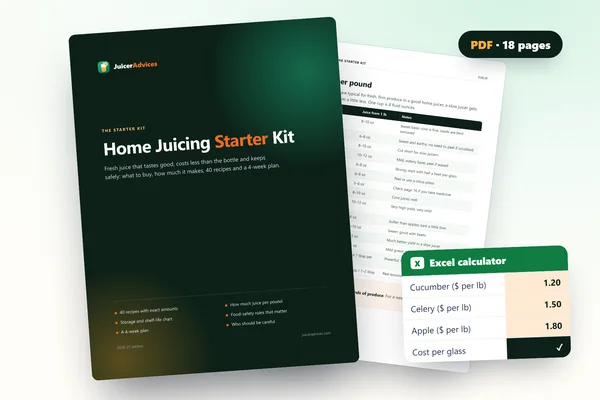 Home Juicing Starter KitMake fresh juice that tastes good, costs less and keeps safely: 40 recipes with exact amounts, a yield chart and a 4-week plan.40 juice, smoothie and shot recipesYield, storage and food-safety chartsCost, yield and shopping-list calculator (Excel)
Membrane Filtration: Clarity Without Nutrient Loss
Once the juice is pressed, it still contains suspended solids, residual pectin, and possibly microbial cells. Traditional clarification uses heat and fining agents, but modern membrane filtration offers a gentler path. Microfiltration uses membranes with pore sizes around 0.2 microns to remove suspended particles and bacteria, while ultrafiltration with smaller pores (around 10-50 kDa) can remove even the larger dissolved molecules like residual proteins and tannins.
The key advantage is that filtration happens at ambient temperature, so there’s no additional heat stress on the anthocyanins. The process also concentrates the juice slightly, because water passes through the membrane, leaving a more flavorful and pigmented liquid behind. This is distinct from vacuum evaporation, which removes water by boiling under reduced pressure and can cause flavor loss.
One caveat: membrane filtration can remove some of the larger polyphenol complexes, which might reduce the total antioxidant capacity slightly. The trade-off is a much cleaner, more stable product that resists haze formation and has a longer shelf life without added preservatives. For a clean-label product, this is often the preferred route. A newer filtration approach from Cornell even shows that careful membrane selection can preserve more nutrients than conventional methods.
The Art of Debittering and Flavor Balancing
Even with perfect extraction, pure cranberry juice is intensely tart. The pH is around 2.5, and the proanthocyanidin content creates a drying, bitter finish. No one drinks it straight in large quantities. The industry solves this in two ways: blending with sweeter juices or adding sugar. The Brix level, which measures the sugar content, is a key metric. Pure cranberry juice sits at about 7-8°Brix, while a typical cranberry juice cocktail is adjusted to 13-14°Brix by adding sugar or apple juice.
Debittering is another option. The bitter proanthocyanidins can be selectively adsorbed onto certain resins or polymers, which removes them without affecting the anthocyanins. This is rarely done for pure juice, because the astringency is part of the cranberry identity. But for a product aimed at a broader palate, removing a portion of the bitterness allows a lower sugar addition, which appeals to health-conscious consumers.
The flavor balance also depends on when you harvest. Early-season berries have a higher acid-to-sugar ratio, making them more tart. Late-season berries are slightly sweeter and have more developed anthocyanins. Many craft producers blend early and late harvests to achieve a consistent profile without adding anything.
From Pomace to Profit: Sustainable Co-Products
The leftover pomace, which is the skins, seeds, and pulp after pressing, makes up about 20-25% of the original berry weight. It’s not waste. The seeds contain a valuable oil rich in tocopherols and phytosterols, which is sold for cosmetic and nutraceutical use. The skins are high in dietary fiber and residual polyphenols, so they can be dried and milled into a powder that’s used as a natural food coloring or a nutritional supplement.
For a small producer, selling pomace is rarely worth the logistics. But processing it into a simple dried powder for use in baked goods or smoothies is feasible. One practical approach: spread the pomace on a dehydrator tray at 50°C (122°F) until fully dry, then grind it in a blender. The resulting powder adds a tart, berry-like flavor and a deep red color to muffins, yogurt, or a morning smoothie. It’s a zero-waste move that also offsets some of the juice production cost.
Choosing Your Method: Craft Scale vs. Industrial Scale
The right extraction method depends entirely on your volume and your target market. Here’s a practical comparison.
| Method | Yield | Nutrient Retention | Equipment Cost | Best For |
|---|---|---|---|---|
| Cold Press (Home) | 60-70% | High | Low ($50-$300) | Fresh juice, immediate consumption |
| Hot Press (Industrial) | 85-90% | Moderate (30% anthocyanin loss) | High (steam kettles, large presses) | Mass-market juice, concentrate |
| Enzyme-Assisted (Craft) | 85-90% | High | Medium (heated tanks, enzyme costs) | Premium bottled juice, craft cider |
| Enzyme + Membrane (Industrial) | 85-90% | Very High | Very High (filtration rigs) | Clean-label, shelf-stable products |
If you’re a home juicer, skip the hot press entirely. The flavor loss is not worth the extra 15% yield. A masticating juicer that runs at low speed, like those discussed in this low-speed extraction guide, is your best bet for keeping heat out of the equation. If you’re a craft producer, enzyme-assisted extraction is the sweet spot. It doesn’t require a massive capital investment, and it gives you a product that can legitimately be labeled “cold-pressed” if you keep the temperature below a certain threshold, which is a significant marketing advantage.
The Future: High-Pressure Processing (HPP) and Beyond
High-pressure processing (HPP) is a cold pasteurization technique where the bottled juice is subjected to 400-600 MPa of pressure. This inactivates pathogens and spoilage organisms without heat, preserving the fresh flavor and nutrient profile almost completely. HPP is already used for premium cold-pressed juices, and cranberry juice is a natural fit because its low pH already inhibits many microbes. The main constraint is cost. HPP requires expensive equipment and adds a processing fee per bottle, which is why it’s reserved for high-margin products.
The other emerging trend is using pulsed electric fields (PEF), which applies short bursts of high voltage to the mash to create pores in the cell membranes. It’s a non-thermal way to improve juice yield, and early studies show it preserves anthocyanins even better than enzyme treatment alone. It’s not yet common in cranberry processing, but it’s worth watching.
For now, the most practical “future” technique for a home juicer is simply to freeze the berries before pressing. Freezing ruptures the cell walls via ice crystal formation, which mimics the effect of enzymes without adding anything. Thaw the berries completely, then press them. You’ll get a noticeably higher yield and a darker, more flavorful juice.
Frequently Asked Questions
Why is my homemade cranberry juice bitter?
Bitterness comes from proanthocyanidins in the skins and seeds. Over-pressing or using a high-speed centrifugal juicer that grinds the seeds releases more of these compounds. Press gently, or use a masticating juicer that crushes rather than grinds. You can also peel the berries, but that’s impractical at scale.
Is cranberry juice cocktail the same as cranberry juice?
No. Cranberry juice cocktail is typically only 25-30% cranberry juice, with the rest being water and added sugar or another sweet juice. It’s much sweeter and less tart. The extraction method for the base juice is the same, but the final Brix is adjusted upward. For a deeper breakdown, see this comparison of cranberry juice types.
Does heating cranberry juice destroy vitamin C?
Yes, significantly. Vitamin C (ascorbic acid) is heat-sensitive and oxidizes easily. Boiling or hot pressing can destroy 30-50% of the vitamin C content. Cold-pressed or enzyme-treated juice retains much more. If you’re juicing for health, avoid heat.
Can I use a regular citrus juicer for cranberries?
You can for small batches, but cranberries are smaller and harder than citrus. A manual lemon squeezer works if you halve the berries first. A powered citrus juicer might not grip them well. For larger quantities, a masticating juicer is more efficient. You’ll get a better yield with a tool designed for the job.
How long does fresh-pressed cranberry juice last?
In the fridge, fresh juice lasts 3-5 days before oxidation affects the flavor and color. Freezing extends that to 6 months. The low pH helps prevent bacterial growth, but the flavor degrades faster than the safety. For longer shelf life, consider HPP or pasteurization, which changes the flavor profile.
What to Do With This Information
- Freeze your cranberries before pressing. It’s the easiest way to boost yield without enzymes or heat.
- Use a masticating juicer or a sturdy manual press, not a centrifugal one, to avoid grinding seeds and adding bitterness.
- Keep the juice cold and minimize air exposure. Press, bottle, and drink within a few days for the best flavor.
- If you’re making a cocktail, adjust the Brix with a sweeter juice like apple or white grape, not just sugar water.
- Don’t throw away the pomace. Dry it and grind it into a powder for smoothies or baking.
- For a commercial product, enzyme-assisted extraction with membrane filtration gives the best balance of yield, clarity, and nutrient retention.
- Check the label. “100% juice” means no added water or sugar, but it might still be from concentrate, which involves heat.