Liquid Nutrition Options After Gastric Bypass Surgery: What
On this page 6 sections
After gastric bypass surgery, your stomach’s capacity and digestive process change dramatically. This means your choice of liquid nutrition matters for your safety and comfort, especially when preparing for a procedure or surgery.
This article explains which liquids are safe, how much you can drink, when to stop before your procedure, and what to expect after. It also highlights what to avoid and when to call your doctor.
Liquid Nutrition Options After Gastric Bypass Surgery
Yes, you can drink liquid nutrition options after gastric bypass surgery, but with strict limits on type, amount, and timing. Aim for about 4 to 6 oz (half to three-quarters of a cup) per serving, focusing on low sugar and low acidity to protect your healing stomach.
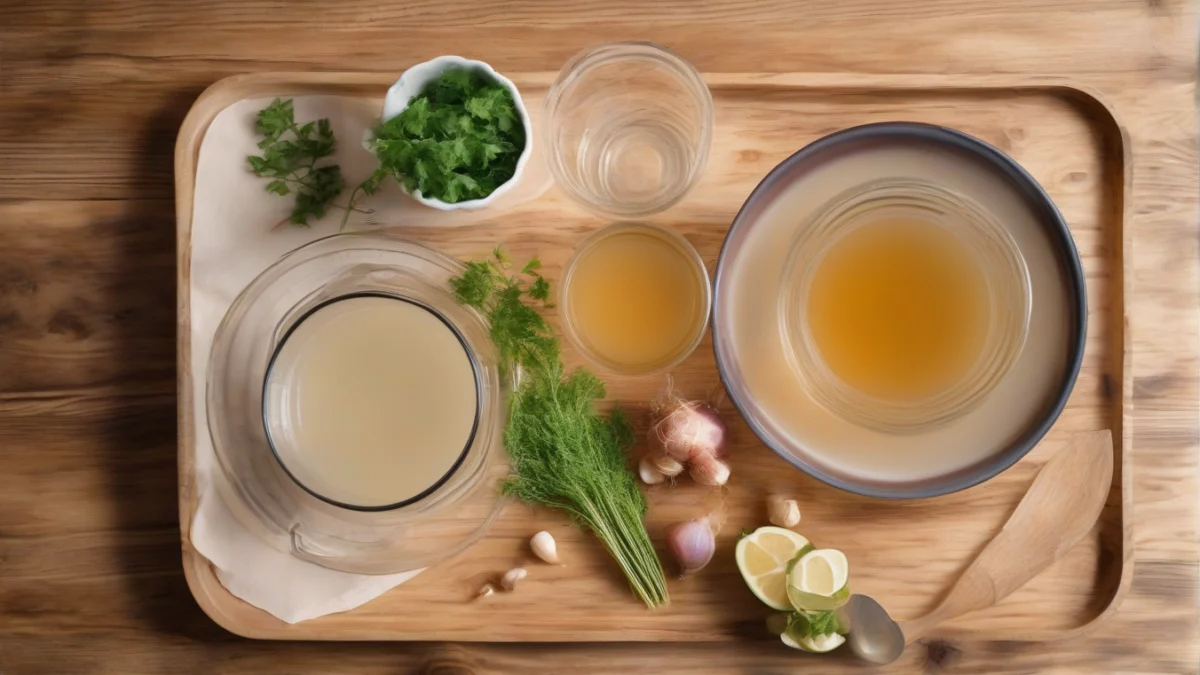
After gastric bypass surgery, your stomach is smaller and more sensitive, so what you drink matters. Liquids must be low in sugar—under 5 grams per serving—and have a pH above 4.5 to avoid irritation and reduce the risk of dumping syndrome. Dumping syndrome happens when sugary or high-volume drinks enter your small intestine too quickly, causing symptoms like nausea, cramps, sweating, or dizziness.
Caffeine and high sodium drinks can worsen dehydration and trigger dumping syndrome, so they’re best avoided during your recovery. Stick with clear liquids such as water, broth, and sugar-free electrolyte drinks without artificial dyes. These provide hydration and essential minerals without taxing your system.
Most guidelines recommend stopping all liquids about 2 hours before anesthesia to reduce the risk of complications during surgery or procedures. However, always trust your own procedure instructions over general advice, as your care team knows your specific needs best.
| Allowed Liquid Nutrition Options | Key Features |
|---|---|
| Water | Zero sugar, neutral pH, hydrates without irritation |
| Clear broth | Low sugar, low acidity, provides electrolytes and sodium |
| Electrolyte drinks without dyes or sugar | Replenish minerals without added sugars or colors |
Your liquid diet during this phase is a crucial nutrition resource. It provides hydration and easy-to-digest nutrients while protecting your healing stomach and preventing complications. Overfilling or drinking sugary liquids too quickly can cause discomfort and delay recovery, so small, measured servings spread throughout the day work best.
Who Should Limit Some Liquid Nutrition Options
People with a history of dumping syndrome should avoid sugary liquid nutrition options after gastric bypass surgery. Sugary drinks can trigger rapid stomach emptying, causing nausea, sweating, and dizziness.
If you have kidney disease, you need to monitor potassium and sodium in electrolyte drinks carefully. Many commercial electrolyte mixes contain high levels of these minerals, which can worsen kidney function or cause fluid imbalances.
Diabetes requires strict sugar counting, even with liquids. Liquid nutrition options often contain added sugars that can spike blood glucose levels. Choose low-sugar or sugar-free formulas and track your intake as part of your overall carbohydrate management.
Certain medications interact with caffeine or acidic drinks, altering drug effectiveness or causing stomach irritation. For example, some blood pressure or heart medications may require avoiding caffeine or acidic liquids.
Your care team’s advice overrides general guidelines. Always follow their recommendations on liquid nutrition amounts, types, and timing after surgery.
For the best nutrition liquid meal after surgery, look for a balanced formula designed for bariatric patients. These usually provide protein, vitamins, and minerals in a low-sugar, low-volume serving.
For detailed guidance on meeting your nutrition needs safely, consult specialized liquid diet nutrition resources that focus on post-bariatric surgery care.
Safer Liquid Nutrition Alternatives After Gastric Bypass Surgery
Clear broth, plain water, and dye-free electrolyte drinks are among the safest liquid nutrition options after gastric bypass surgery. They provide hydration without irritating the stomach or risking dumping syndrome.
Low sugar, low acidity, and low sodium liquids reduce irritation and fluid shifts that can cause discomfort or complications. Avoid drinks with added sugars, artificial colors, or high salt.
If protein shakes are too sugary or cause symptoms, try alternatives such as unflavored protein powders mixed with water or specially formulated low-sugar bariatric shakes when your care team approves.
Some commercial clear liquid products may contain hidden sugars or dyes that can irritate your stomach or disrupt blood sugar control. Always check ingredient labels carefully before choosing.
For the best nutrition liquid meal, select formulas designed for post-gastric bypass patients, which balance protein and micronutrients without excess volume or sugars.
| Drink | Protein per serving | Servings | Total |
|---|---|---|---|
| One serving bariatric protein shake | 20 g | 3 | 60 g |
Drinks to Rehydrate and Calm Your Stomach
Start rehydrating by taking small sips of water or clear broth after your surgery. About 1 to 2 teaspoons every 10 to 15 minutes helps prevent dehydration without overwhelming your stomach.
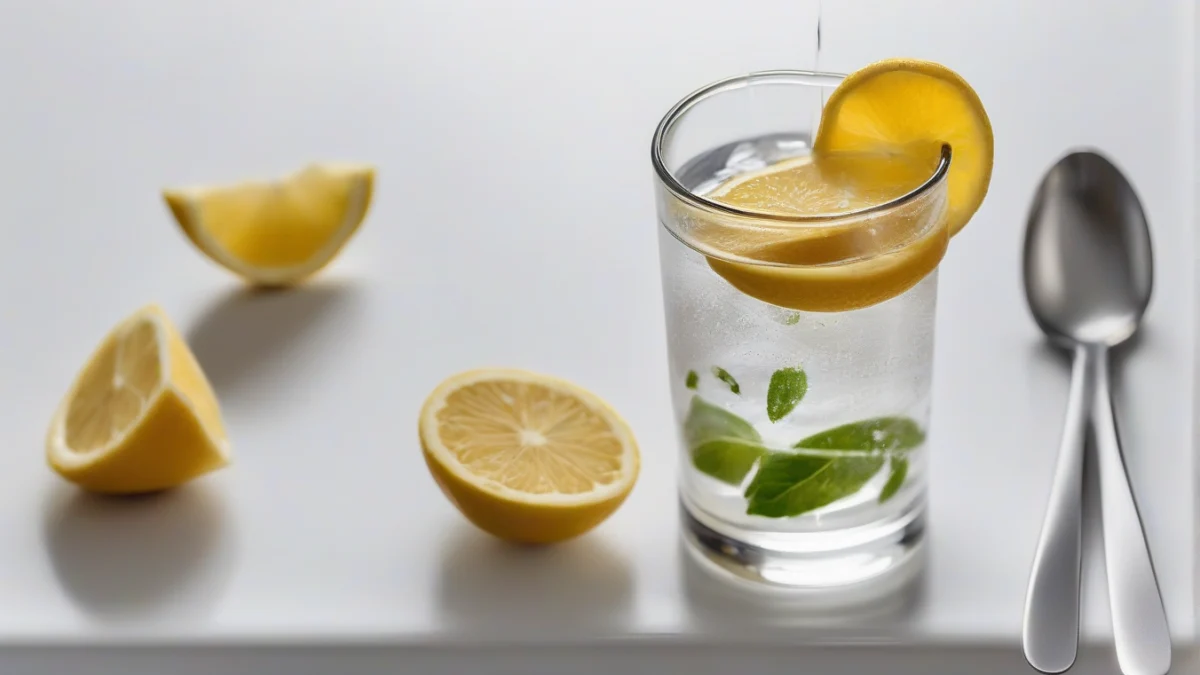
Avoid milk and alcoholic drinks until your care team says it’s safe. These liquids can irritate your healing stomach lining or interfere with medications.
Hydration supports tissue repair and reduces nausea by keeping your digestive system moist and functioning smoothly. Skipping fluids can worsen nausea and delay recovery.
After 24 hours, you may gradually introduce more complex liquids like protein shakes or diluted juice, but keep servings small, around 4 to 6 oz (half to three-quarters of a cup), to prevent discomfort.
Large volumes or drinking too fast can cause vomiting or pain because your stomach is smaller and more sensitive. Pause between sips and listen to your body’s signals.
For detailed guidance on nutrition liquid diet options after gastric bypass surgery, consider resources from your dietitian or surgery center. They tailor plans to your healing stage and nutritional needs.
Timeline and Checklist for Liquid Nutrition
Following your own procedure instructions is essential. These general guidelines help you prepare safely but can’t replace your care team’s specific advice.
Liquid nutrition options after gastric bypass surgery focus on clear, low-acid, low-sugar fluids in small amounts to protect your healing stomach and support recovery.