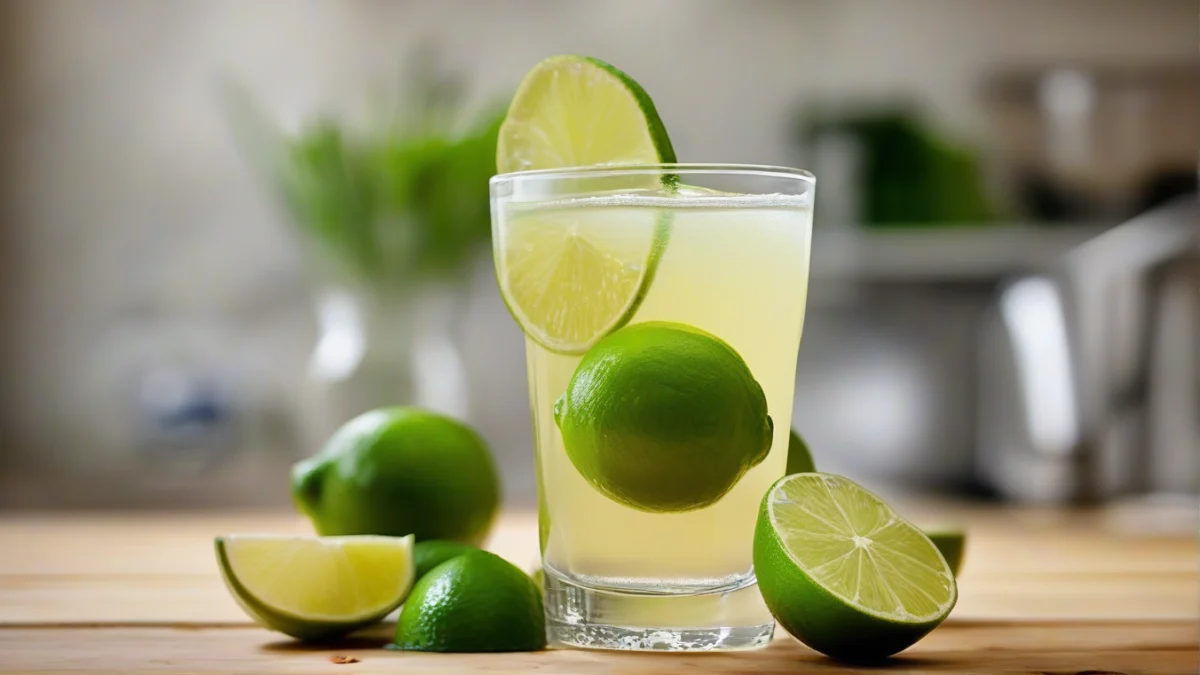
Lime juice can benefit kidney stone prevention for many people. About 4 oz (half a cup) daily helps raise urine citrate, which blocks stones from forming. Its citrate content alkalizes urine, reducing calcium stone risk while its acidity is generally safe in this amount.
Lime juice contains citrate, which may modestly increase urine citrate levels that help reduce calcium kidney stone risk. Its natural acidity does not prevent this effect, but lime juice is only one part of managing kidney stones safely.
However, lime juice is acidic and contains some oxalates, which may affect people differently depending on their stone type and kidney health. Knowing how much to drink and who should limit intake helps keep it safe.
Key takeaways
Lime juice provides citrate that may raise urine citrate and slightly reduce calcium kidney stone risk when consumed in moderate amounts.
Drinking about 4 oz of lime juice daily is generally safe and effective for kidney stone prevention.
People with high oxalate stones or advanced kidney disease should limit or avoid lime juice due to its oxalate content and acidity.
Lime juice is acidic but its citrate offsets urine acidity, reducing stone risk in most cases.
Safer alternatives include citrate supplements or low-oxalate, low-acid drinks like certain electrolyte mixes.
Lime Juice Benefits for Kidney Stones
Drinking about 4 oz (half a cup) of lime juice daily may modestly raise urine citrate, a compound that can lower the risk of some calcium kidney stones. This effect helps make urine less likely to form new stones, but lime juice should be part of a broader kidney health plan.
Drinking lime juice may help reduce the risk of some kidney stones.
Citrate binds calcium in the urine, reducing calcium availability to form crystals that turn into stones. Lime juice contains a good amount of citrate, similar to lemon juice, with a pH around 2, making it acidic but generally safe in moderate amounts.
This acidity may sound concerning, but citrate in lime juice actually alkalizes urine once metabolized. The resulting higher urine pH helps dissolve calcium-based stones or prevent them from forming. Lime juice contains no caffeine, very low sodium, and moderate potassium, which usually makes it safe for kidney health.
Lime juice does contain some oxalate, a compound that can contribute to certain kidney stones. People prone to calcium oxalate stones should watch their intake and talk to their healthcare provider. Kidney stone types and kidney function affect how beneficial lime juice is for you.
Individual differences matter: if you have a history of uric acid stones or impaired kidney function, lime juice might not have the same effect. Your care team’s advice based on your stone type and kidney health is key to deciding if lime juice will help you.
Nutrient
Amount in 4 oz Lime Juice
Role for Kidney Stones
Citrate
About 200 mg
Increases urine citrate to prevent calcium stones
Oxalate
Low to moderate
May raise risk in oxalate stone formers
Potassium
Around 70 mg
Supports kidney function, moderate amount
Sodium
Very low
Safe for kidney health
Caffeine
None
No impact on stones or kidneys
Key components of lime juice relevant to kidney stones
Who Should Avoid or Limit Lime Juice
Not everyone benefits from lime juice for kidney stones. People with oxalate stones may worsen their condition because lime juice contains oxalate, which can contribute to these stones.
Those with advanced chronic kidney disease should limit potassium and acidic drinks like lime juice, as their kidneys may struggle to handle these properly. The acid in lime juice might also irritate people with acid reflux or gastritis, causing discomfort.
While lime juice has benefits similar to lemon juice on kidney health, its acidity and oxalate content mean it’s not suitable for everyone. If you have any of these conditions, talk to your healthcare provider before adding lime juice to your routine.
When to Avoid Lime Juice
Avoid lime juice if you have oxalate stones, advanced kidney disease, or acid-related stomach problems unless your doctor says otherwise.
When to Call Your Doctor
If you develop severe stomach pain, worsening reflux, or signs of kidney trouble after drinking lime juice, contact your care team promptly.
Severe or worsening abdominal pain
Persistent acid reflux symptoms
New or worsening kidney symptoms such as swelling or decreased urine output
Safer Alternatives for Kidney Stone Prevention
If lime juice isn’t suitable for you, there are safer ways to boost citrate levels without adding acidity or oxalate. Alkali citrate powders provide citrate directly and usually contain no added sugar. These supplements raise urine citrate effectively, helping stop calcium stones while avoiding the acidity that can irritate some people.
Alkali citrate powders are a safe alternative to boost citrate levels.
Electrolyte mixes formulated for kidney stone prevention, like product 1, are designed to provide a balanced alkali citrate dose along with hydration support. They manage urine pH and electrolytes with a patented formula developed by urologists. These powders typically dissolve easily in water and offer a convenient alternative for daily kidney stone care.
Useful here
Stone Stopper Drink Mix
Product 1 helps you maintain urine citrate without the acidity and sugar of fresh lime juice.
Low-acid drinks with less oxalate, such as water infused with cucumber or mint, also reduce stone risk by maintaining hydration and minimizing urinary calcium and oxalate concentration. These options don’t supply citrate but avoid adding acid or oxalate that might worsen stones.
Tart cherry juice is sometimes recommended for kidney stones because it contains antioxidants and compounds that may reduce inflammation. It also has citrate but in lower amounts than lime juice. Cherry concentrate has a similar profile but with more sugar and less citrate boost per serving, so it is not as directly effective for raising urine citrate.
Compared to lime juice, citrate powders and specialized electrolyte mixes deliver a more controlled citrate dose without the acid load. Lime juice offers natural citrate but adds acid and some oxalate, which may not suit everyone. Low-acid drinks keep hydration up but don’t increase citrate. Tart cherry juice provides mild benefits but isn’t a replacement for citrate-focused prevention.
From JuicerAdvices · our own guidePage 10 has the citrus and fruit juices, with how much fruit each glass takes.Home Juicing Starter KitMake fresh juice that tastes good, costs less and keeps safely: 40 recipes with exact amounts, a yield chart and a 4-week plan.40 juice, smoothie and shot recipesYield, storage and food-safety chartsCost, yield and shopping-list calculator (Excel)$14.99$9.99Get it for $9.99See what's inside and watch the 2-minute video →18-page printable PDF + Excel calculator · instant download · 30-day refund
How Much Lime Juice Is Safe for Different Situations
Condition Severity
Safe Lime Juice Amount
Notes
Mild kidney stone risk
About 4 oz (half a cup) daily
Best taken with meals to reduce stomach discomfort
Moderate risk or recurrent stones
2 to 4 oz daily
Spread intake over the day; monitor for any acid reflux
Severe or active stones
Avoid or limit to under 2 oz; consult your doctor
High acid intake may worsen symptoms or irritation
Recommended daily lime juice intake by kidney stone risk level
Drinking lime water benefits kidney stones by raising urine citrate within hours, but consistent intake over days to weeks is needed for prevention. Starting with small amounts and having lime juice with food can help reduce any acid or stomach upset.
Overconsumption of lime juice may increase urinary acidity and add oxalate load, potentially raising risk instead of lowering it. Balance is key, and the amounts in the table keep acidity and oxalate within safe limits for most people.
If you notice worsening symptoms like stomach pain, reflux, or changes in urine color, reduce lime juice or pause and talk to your healthcare provider. Your personal condition and tolerance vary, so follow your doctor’s advice over general guidelines.
What to Do Next for Kidney Stone Prevention
1
Check with your healthcare provider
Talk to your doctor or dietitian before adding lime juice to your routine, especially if you have conditions like acid reflux, diabetes, or kidney disease.
2
Start small and steady
If approved, begin with about 4 oz (half a cup) of lime juice daily, which can raise urine citrate to help prevent stones.
3
Switch if needed
If lime juice isn’t safe for you, consider alternatives like citrate supplements or other low-oxalate drinks recommended by your care team.
Monitor Your Health
Notice any new or worsening symptoms such as pain, blood in urine, or severe nausea
Avoid increasing lime juice beyond recommended amounts without advice
Keep track of fluid intake and kidney stone symptoms
Seek Prompt Care
Contact your healthcare provider if you experience severe flank pain, persistent vomiting, blood in your urine, or fever with chills.
Worked example
Say you have a history of calcium kidney stones and your doctor approves lime juice. You start drinking 4 oz daily, and after a week, your urine citrate rises, lowering stone risk. If you develop heartburn, you report it and switch to a citrate supplement instead.
Drinks4 oz lime juice daily
EffectsRaises urine citrate within days
Herbal Teas for Kidney Stones and Kidney Disease
Most herbal teas are safe for kidney stones, but a few need caution if you have kidney disease. Teas made from nettle leaf, dandelion leaf, or green tea may modestly increase urine output, which helps flush stone-forming minerals. However, teas high in oxalate, like black tea, can raise oxalate levels in urine and may not suit calcium oxalate stone formers.
With kidney disease, the concern shifts to potassium and phosphorus. Herbal teas are generally low in both, but blends with added potassium or ‘kidney cleanse’ claims should be avoided. Hibiscus tea may lower blood pressure, yet it is high in oxalate. Ask your nephrologist before adding any herbal tea if your kidney function is reduced.
What to choose
Chamomile, peppermint, and rooibos are low-oxalate, low-potassium options that are unlikely to affect kidney stone risk or kidney function.
Frequently Asked Questions
Can lime juice dissolve existing kidney stones?
Lime juice cannot dissolve stones that have already formed. Its main benefit is raising urine citrate, which helps prevent new stones by stopping crystals from sticking together. If you have existing stones, your doctor may recommend other treatments or procedures.
Is lime juice as effective as lemon juice for kidney stones?
Lime juice offers similar benefits to lemon juice because both contain citrate, which helps prevent calcium stones. However, lemon juice is more commonly studied and tends to have higher citrate levels. Lime juice is a good alternative when lemon juice isn’t available or preferred.
How soon after drinking lime juice do benefits appear?
Urine citrate levels can rise within a few hours after drinking lime juice. For lasting prevention, you need to drink about 4 oz daily over weeks to maintain higher citrate and reduce stone risk. One-time intake won’t provide sustained protection.
Can drinking too much lime juice harm my kidneys?
Drinking large amounts of lime juice may increase acidity and oxalate, which could raise stone risk in some people. Sticking to about 4 oz daily is generally safe for kidney stone prevention. If you have kidney disease or other conditions, check with your healthcare provider first.
Is fresh lime juice better than bottled for kidney stones?
Fresh lime juice usually contains more natural citrate and fewer additives than bottled juice, making it preferable for kidney stone prevention. Bottled juices can have added sugars or preservatives that offer no benefit and might increase stone risk.
What signs mean I should stop lime juice and see a doctor?
If you notice worsening kidney pain, blood in your urine, fever, chills, or difficulty urinating after starting lime juice, stop drinking it and contact your doctor. These symptoms could signal a stone blockage or infection needing prompt care.
Does tart cherry juice help kidney stones?
Tart cherry juice is not a proven kidney stone remedy. It contains little citrate, the compound that helps block calcium stone formation, and its oxalate level is low to moderate. Some people use it for gout because it may lower uric acid, but for stones the evidence is thin. Lemon or lime juice is a better citrate source if your doctor has suggested one.
Does pure lime juice have similar benefits on kidney health as lemon juice?
Yes, pure lime juice and lemon juice are close to interchangeable for kidney stone prevention. Both contain about 1.4 g of citric acid per ounce, which raises urine citrate and helps block calcium oxalate and uric acid stones. Lime juice is slightly more acidic, so if reflux is a problem, lemon water may be gentler. Either one works when you drink about 4 oz a day diluted in water.
How long does it take for lime water to help kidney stones?
Urine citrate starts rising within a few hours after you drink lime water. The protective effect builds over days to weeks of consistent daily intake. A 24-hour urine test after 4 to 6 weeks shows whether your citrate level has improved enough to matter.
Would drinking real lime juice benefit kidneys?
For most people with calcium kidney stones, yes. Real lime juice supplies citric acid, which binds calcium in urine and makes it harder for stones to form. It also adds fluid, which lowers the concentration of stone-forming minerals. The benefit is specific to stone prevention; lime juice does not ‘cleanse’ the kidneys or treat kidney disease.
Does hot lime juice benefit the kidneys?
Hot lime juice offers the same citrate benefit as cold lime juice; temperature does not change the citric acid content. Some people find warm lime water easier to drink in cold weather, which helps them stay consistent with the daily 4 oz habit. Just avoid adding sugar or honey, which can work against stone prevention.
Does cherry concentrate help kidney stones?
Cherry concentrate, like tart cherry juice, has not been shown to prevent kidney stones. It provides little citrate and its main studied use is for gout, not stones. If you are looking for a citrate boost, lemon or lime juice is a better use of your daily fluid.
Before you go · a welcome giftGet the Home Juicing Starter Kit for $4.99Make fresh juice that tastes good, costs less and keeps safely: 40 recipes with exact amounts, a yield chart and a 4-week plan. Normally $14.99; your welcome price saves $10.00. We'll email your link right now.or skip the email and buy it now for $4.99 →One email with your link now. We never share your address.


 Home Juicing Starter KitMake fresh juice that tastes good, costs less and keeps safely: 40 recipes with exact amounts, a yield chart and a 4-week plan.40 juice, smoothie and shot recipesYield, storage and food-safety chartsCost, yield and shopping-list calculator (Excel)