5 Juice Preservatives to Avoid for Better Health
On this page 6 sections
You grab a bottle of juice from the grocery shelf, trusting it to be a healthy choice. But a quick glance at the ingredients list can reveal a cocktail of additives you didn’t bargain for. Knowing which juice preservatives to avoid is key to making informed decisions for you and your family. Its not just about shelf life; its about understanding what you’re putting into your body every day.
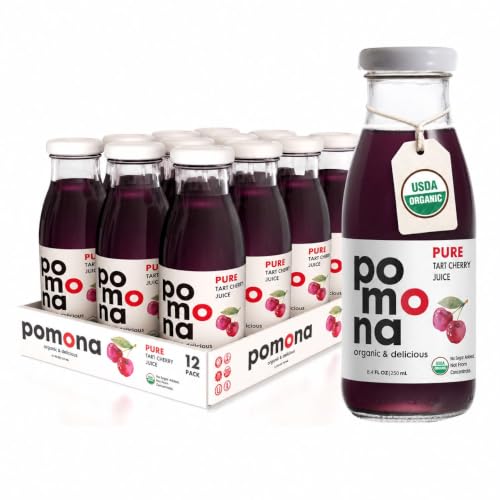
Preservatives prevent spoilage, but some come with potential health trade-offs. The good news? You have power as a consumer. By learning to decode labels and seek out cleaner options, you can enjoy your juice without the unwanted extras. For a reliably clean choice, many health-conscious shoppers look for brands like Pomona Organic Pure, which prioritizes simple, organic ingredients.

Why Juice Preservatives Matter
Preservatives are added to bottled juice and concentrates to inhibit microbial growth like mold and bacteria. This extends shelf life dramatically, which is crucial for mass distribution. However, the conversation around harmful chemicals in juice centers on the potential side effects of synthetic compounds. Regulatory bodies like the FDA and the European Food Safety Authority (EFSA) deem many common preservatives safe at approved levels. Yet, ongoing research and consumer advocacy highlight concerns about cumulative exposure and individual sensitivities, especially in children.
The goal isn’t to instill fear but to promote awareness. Are preservatives in juice bad for you? The answer isn’t always black and white. It depends on the specific chemical, the amount consumed, and your personal health. Your best defense is knowledge and knowing how to spot the difference between necessary preservation and unnecessary additives.
Common Preservatives in Juice & Their Potential Risks
Let’s break down the most frequent bad additives in juice you might encounter. Remember, seeing these names means you’re looking at a processed product.
Sodium Benzoate & Potassium Sorbate
Sodium benzoate and potassium sorbate are among the most common artificial preservatives in juice. They are effective against yeast and molds. The primary concern with sodium benzoate arises when it’s combined with ascorbic acid (Vitamin C). This combination can form benzene, a known carcinogen, especially under heat or light exposure. While manufacturers now formulate to minimize this, it’s a noted risk factor.
Juice additive side effects linked to these preservatives in some studies include potential links to hyperactivity in sensitive children and allergic reactions. They are generally recognized as safe (GRAS) by the FDA, but their use is more restricted in the EU, reflecting differing regulatory philosophies.
Sulfites
Sulfites (like sulfur dioxide) are used to prevent browning and fermentation. They are notorious for triggering adverse reactions. For individuals with sulfite sensitivity or asthma, consumption can lead to breathing difficulties, hives, or even anaphylaxis. The FDA requires sulfites to be declared on labels when used above a certain threshold because of these risks. You’ll often find them in brightly colored juices or fruit cocktail mixes to maintain that “fresh” look.
Ascorbic Acid & Citric Acid: The Grey Area
Here’s where it gets nuanced. Ascorbic acid (Vitamin C) and citric acid are naturally occurring compounds. They function as preservatives by increasing acidity, which slows spoilage. They are also nutrients. However, in processed juices, they are often added in isolated, synthetic forms. While generally safe, the sheer quantity in some products can contribute to dental erosion or stomach upset in sensitive individuals. Their presence indicates processing, but they are typically considered lower-risk compared to purely synthetic options.
The “Natural Flavors” Loophole
This is a key missing entity many guides overlook. “Natural flavors” is an umbrella term that can hide a multitude of ingredients, including preservatives and processing aids. A “natural flavor” can be derived from a natural source but then highly processed in a lab. If you’re seeking a true clean label juice, a product boasting “no artificial preservatives” but with “natural flavors” may still contain compounds you wish to avoid. Transparency is limited here.
Natural Preservatives & Safer Alternatives
So, what preservatives are used in bottled juice that are safer? The debate between natural juice preservatives vs artificial is active. Some methods don’t require adding chemicals at all.
- High-Pressure Processing (HPP): This method uses extreme pressure, not heat, to kill pathogens. It preserves nutrients and flavor far better than traditional pasteurization and extends shelf life without additives. Look for “cold-pressed” and “HPP” on labels.
- Pasteurization: The classic method of using heat to kill microbes. It’s effective and allows juice to be shelf-stable, though it can degrade some heat-sensitive vitamins. It’s a physical process, not a chemical additive.
- Natural Acidulants: Lemon juice, lime juice, or vinegar can naturally lower pH and preserve food. You’ll see these in some cleaner brands.
- Refrigeration: The simplest method. Truly fresh, unpreserved juices require constant refrigeration and have short shelf livesoften just a few days.
Choosing a high-quality juicer for home use gives you ultimate control. For example, comparing the Cuisinart citrus juicer versus the Breville Juice Fountain Cold can help you find the right machine for your preferred style, whether it’s citrus or whole fruits and vegetables.
How to Read Juice Labels Like a Pro
Navigating the juice aisle confidently comes down to label literacy. Follow this step-by-step approach.
- Check the Order: Ingredients are listed by weight. If water or a sugar syrup is first, it’s mostly that.
- Scan for Red Flags: Look for the chemical names discussed: sodium benzoate, potassium sorbate, sulfites. Also watch for artificial colors (Red 40, Blue 1) and artificial sweeteners.
- Decode the Claims: “No Added Sugar” doesn’t mean no sugarfruit has natural sugars. “All Natural” is an unregulated term. “Organic” is regulated and prohibits most synthetic preservatives.
- Look for a Short List: The best clean label juices have a short, recognizable ingredient list. Ideally, it should just be juice.
- Note the Preservation Method: Does it say “HPP,” “cold-pressed, refrigerated,” or “pasteurized”? This tells you how it was preserved without chemicals.
Label Comparison Table
| Ingredient List A (Conventional) | Ingredient List B (Clean Label) |
|---|---|
| Filtered Water, Apple Juice Concentrate, Natural Flavors, Ascorbic Acid (Vitamin C), Potassium Sorbate, Sodium Benzoate. | Organic Apple Juice. (That’s it!) |
| Interpretation: Heavily processed from concentrate, contains preservatives and vague “natural flavors.” | Interpretation: Single ingredient, organic, likely pasteurized or HPP for shelf stability. |
Tips for Finding & Making Preservative-Free Juice
Putting this knowledge into practice is straightforward. Heres how to avoid preservatives in store-bought juice and explore making your own.
Finding It in Stores
- Shop the Cold Case: Authentic fresh-pressed juice lives in the refrigerated section. Its shelf life is short because it lacks preservatives.
- Choose “Not From Concentrate”: This means the juice was pressed and packaged, not dehydrated and reconstituted (which often involves more processing and additives).
- Explore Brands Like Simply Orange or Naked Juice: Read their labels carefully. Some of their lines use HPP or pasteurization without synthetic preservatives, but formulations vary.
- Consider Frozen: Unsweetened frozen juice concentrate can be a good option. Freezing preserves without chemical additivesjust check for added sugars or flavors.
Making Your Own at Home
This is the gold standard for purity. You control every element. For optimal nutrient retention, a slow masticating or cold press juicer is ideal. If you’re considering equipment, a review comparing the Ypone cold press juicer vs the Breville Juice Fountain Cold can highlight the differences between slow and fast juicing technologies. Drink your homemade juice immediately for maximum benefits, or store it in an airtight container in the fridge for up to 72 hours.
It’s worth noting that the scientific community continues to study food additives. For a deeper dive into the broader health implications, you can review research on food additives and health in this comprehensive scientific publication.
Your Path to Cleaner Juice
You don’t need a chemistry degree to make better choices. Start by picking one juice you buy regularly and examining its label. Look for one juice ingredient to avoid that you can eliminate next time. Maybe you swap a shelf-stable bottle for a refrigerated one. Or perhaps you invest in a juicer for weekend treats.
The journey toward cleaner eating is incremental. Each informed choice adds up. You now have the tools to see past the marketing and understand what’s really in your glass. Prioritize juices with short, simple ingredient lists and transparent preservation methods. Your body will thank you for choosing vitality over just a long shelf life.