Is Tonic Water Keto-Friendly? The Surprising Truth
On this page 6 sections
Many people believe tonic water is a harmless mixer for low-carb drinks, but its sugar content often surprises keto dieters. While quinine gives tonic water its distinctive bitter taste, the sweeteners typically added can quickly add up in carbs.
You’ll learn how to check labels, make your own keto-friendly tonic water, and pick the best mixers to keep your drinks low-carb and satisfying.
Is Tonic Water Keto-Friendly? The Surprising Truth
Tonic water is not keto-friendly because it typically contains about 22 to 30 grams of sugar per 12-ounce serving, which far exceeds the carbohydrate limits for a ketogenic diet. This amount of sugar can quickly disrupt ketosis, the metabolic state keto diets aim to maintain by keeping carb intake very low.
Regular tonic water combines carbonated water with quinine, a compound derived from cinchona bark, which gives it a distinctive bitter flavor. The carbonation provides the familiar fizz, but neither carbonation nor quinine affects ketosis; the main concern is the sugar content.
Most traditional tonic waters rely on added sugars such as cane sugar or high-fructose corn syrup to balance quinine’s bitterness. These sugars add carbohydrates that the keto diet restricts, making typical tonic water a poor fit for keto.
In contrast, diet tonic waters replace sugar with artificial or non-nutritive sweeteners to provide sweetness without carbs. These sugar-free options are generally keto-friendly because they contain little to no carbohydrates, allowing you to enjoy tonic water’s flavor without interfering with ketosis.
If you want to enjoy a tonic water experience on keto, look for sugar-free or low-carb tonic water brands, or consider making your own keto-friendly tonic water at home with alternatives that avoid sugar altogether. These options keep your carb intake low and maintain ketosis while still letting you enjoy the classic taste.
Check the Label for Added Sugar and Sweeteners
Tonic water labels are the key to determining if a product fits your keto diet, because sugar and sweetener content varies widely. Most regular tonic waters list sugar or high-fructose corn syrup among the first ingredients, which means a high carb load.
Common sweeteners in tonic water include cane sugar, beet sugar, and high-fructose corn syrup. These add 20 to 30 grams of carbs per 12-ounce serving, enough to disrupt ketosis. Artificial sweeteners like sucralose, aspartame, or acesulfame potassium appear in diet tonic waters, providing sweetness without carbs.
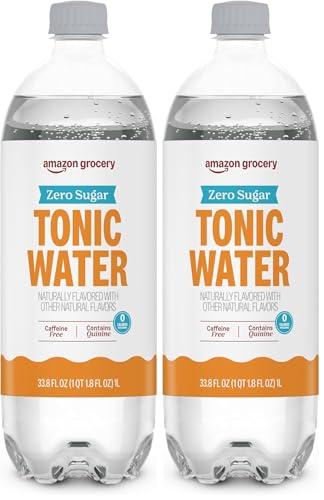
Labels will show the nutrition facts including total carbohydrates and sugars per serving, which is vital to check. Serving sizes can vary, so pay attention to how much tonic water the label defines as one serving to calculate your actual carb intake accurately.
Be cautious with artificial sweeteners if you have digestive sensitivities; some people experience bloating or upset stomach from these ingredients. If you notice any issues, try different brands or homemade recipes that use natural keto-friendly sweeteners.
To confirm keto compatibility, look for tonic water labeled “sugar-free” or “diet” and check the carb count on the nutrition label. Avoid products with added sugars and keep your servings appropriate to stay within your daily carb limits.
Make Your Own Keto-Friendly Tonic Water at Home
Making your own keto-friendly tonic water at home is possible and lets you control the ingredients. Use carbonated water and add a small amount of natural sweetener, such as stevia or erythritol, plus quinine extract or a bitter herbal infusion for flavor. Adjust sweetness carefully to keep carbs low while mimicking the classic tonic taste.
Start with about 8 ounces (1 cup) of chilled carbonated water. Add 1 to 2 tablespoons of quinine syrup or tonic concentrate, which provides the classic quinine bitterness. Sweeten the mix with a keto-friendly sweetener such as stevia, erythritol, or monk fruit extract to taste—usually 1 to 2 teaspoons depending on your preference.

Gently stir the mixture to combine without losing carbonation. Avoid shaking vigorously, which can flatten the bubbles and reduce the refreshing mouthfeel that tonic water is known for.
To enhance flavor, consider adding a small amount of citrus zest such as lime, lemon, or grapefruit peel. Herbs like rosemary or thyme also complement the bitter tones and add complexity without carbs.
Store your homemade keto tonic water in a sealed bottle or container in the refrigerator. It’s best consumed within 3 to 5 days to maintain freshness and carbonation. If you notice any off smells or flavors, discard it promptly.
Making tonic water yourself lets you control the ingredients, keeping carbs low and avoiding artificial additives found in some commercial products. Plus, you can customize flavors to suit your taste perfectly.
 Caffeine & Sugar Drink GuideKnow exactly how much caffeine, sugar and sodium is in 150+ popular drinks, and set daily limits that fit you.Caffeine and sugar in 150+ drinksDaily limits, smart swaps and a cut-back planDaily caffeine and sugar calculator (Excel)
Swap Ingredients for Common Health Needs
Keto tonic water can be low sugar if you use keto-approved sweeteners like stevia, erythritol, or monk fruit instead of sugar or high-fructose corn syrup. These sweeteners add little to no carbohydrates, keeping your drink keto-friendly.
Quinine and carbonation sometimes cause stomach upset, especially if you’re sensitive. To ease digestion, try diluting tonic water with still water or use less quinine syrup when making it at home. Drinking slowly and with food can also help reduce irritation.
If you have kidney concerns, limiting potassium intake is important. Some tonic water recipes or mixers add potassium salts as acid regulators or preservatives. Choose products without added potassium or make your own tonic water using simple ingredients to control potassium levels.
Flavor swaps keep your drink enjoyable without adding carbs. Fresh herbs like mint or rosemary, a splash of citrus zest, or a few drops of bitters with no sugar can brighten the flavor. These additions add variety without kicking you out of ketosis.
Avoid These Mistakes That Ruin Keto Tonic Water
Common mistakes when making keto tonic water include using regular sugar or high-carb sweeteners, which add unwanted carbohydrates. Avoid store-bought tonic waters with added sugars and artificial ingredients if you want to stick to keto. Also, don’t overdo the sweetener; a little goes a long way in keeping carbs down.
Adding sugary mixers or fruit juices to your tonic drink also spikes carbs. Even a small splash of orange juice or soda can add 10 grams or more of sugar, undoing your keto efforts.
Overusing sweeteners or quinine syrup can spoil the flavor or cause digestive discomfort. Start with small amounts and adjust gradually to find a balance that suits your taste and stomach.
Not chilling your tonic water before serving can mute its crispness and bitterness, making it less refreshing and enjoyable. For best taste, keep your tonic water and mixers cold before mixing and serving.
If you want to explore more keto-friendly beverages, consider alternatives like soda water with lime or homemade infusions using low-carb fruits and herbs for variety and flavor.
For a detailed look at sugar alternatives and how they affect your keto plan, see how to check labels and make your own keto tonic water earlier in this article.