Gout is a brutal form of arthritis. It flares up when uric acid crystals settle in your joints, often the big toe. For decades, the standard advice was simple: avoid all fruit and fruit juice. Doctors treated them as sugar bombs that would spike uric acid.
That advice has shifted. The old blanket warning is now considered too broad. We now understand that not all sugars are equal, and some compounds in fruit actually fight inflammation. Pineapple sits right at the center of this change.

Dolce Flav
Dolce Flav Pineapple Flavoring Oil for Baking…
- Make pineapple your confectionery signature: Bring a pineapple flavor theme to chocolate, candy and cookies. Create a coordinated…
- More ways to make it yours: Cakes, cookies, frostings, chocolate, candy and pastries. Choose compatible recipes and carry a favori…
- Make the flavor yours: Oil-soluble format for compatible fat-based recipes. Start at the label-recommended level, mix thoroughly a…

Why the Old Advice Was Wrong
The old approach focused entirely on fructose. Fructose is a natural sugar found in fruit. When your liver processes it, it produces uric acid as a byproduct. That fact is true, but it is only half the story.
Early studies used massive doses of purified fructose. Those doses do raise uric acid. But eating a whole pineapple or drinking a glass of juice is different. You get a much smaller amount of sugar, plus water, fiber, and plant compounds that change how your body reacts.
The new science looks at whole foods, not isolated sugars. Researchers found that the link between fruit intake and gout risk is weak for most people. The exception is people who already have severe gout or who drink juice in huge quantities.
What Changed in the Research
Two major findings drove the shift. First, researchers identified bromelain, an enzyme in pineapple stems and fruit. This enzyme reduces inflammation and pain in joint tissues. It works differently than uric acid control, but it helps manage the flare itself.
Second, long-term diet studies showed that vitamin C lowers uric acid levels. Pineapple is rich in vitamin C. A single cup of pineapple chunks gives you about 79 milligrams, roughly 88% of the daily value. Higher vitamin C intake correlates with lower gout risk in several large cohort studies.
So you have a fruit that contains a mild trigger (fructose) but also contains two protective compounds (bromelain and vitamin C). The net effect depends on the dose and the person.
What Is Still True
Some things have not changed. Fructose still raises uric acid in the short term. If you drink a liter of pineapple juice in one sitting, your uric acid will climb. That is a biochemical fact.
People with chronic kidney disease or advanced gout should still be cautious. Their bodies cannot clear uric acid efficiently. For them, even moderate fructose intake is risky. The old advice still applies to this specific group.
Also, commercial pineapple juice is not the same as fresh. Many brands add sugar or blend pineapple with higher-fructose juices like apple or grape. Added sugar amplifies the uric acid spike. Fresh juice or eating the fruit directly is always safer.
Advice That Was Always Situational
Some recommendations were never universal, but they got treated that way. The ban on all fruit juice was one of them. For a healthy person with normal kidney function, a daily glass of pineapple juice poses little risk. It only becomes a problem if you drink it in excess or if you already have metabolic issues.
Another situational case is weight. Obesity is a major driver of gout, more than diet alone. Pineapple juice has calories. If those calories push you into a calorie surplus, your gout risk goes up because your weight goes up. The juice is not the problem; the energy balance is.
Finally, consider timing. Drinking pineapple juice during an acute flare is different from drinking it during a remission phase. During a flare, your uric acid is already high and your joints are inflamed. Adding fructose then is a bad idea. During remission, a moderate serving is usually fine.
Practical Serving Guidelines
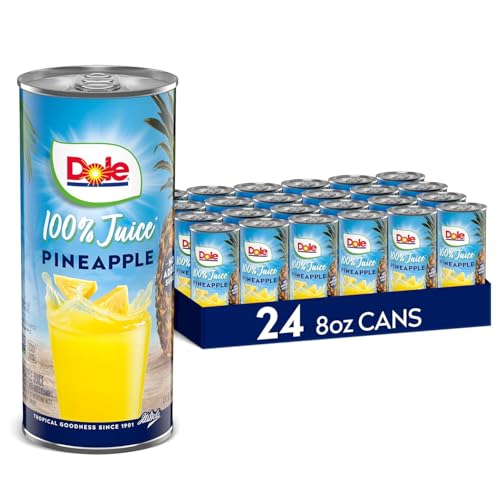
How much is safe? Most rheumatologists now accept a small glass, around 4 to 6 ounces, of pure pineapple juice as a reasonable treat. That serving contains roughly 15 to 20 grams of fructose. It is unlikely to cause a flare in a person with well-managed gout.
Eat the fruit instead of drinking it when possible. A half-cup of pineapple chunks has about the same sugar as a small juice glass, but it also has fiber. Fiber slows sugar absorption and reduces the uric acid spike. You also chew, which makes you feel fuller.
If you want to use pineapple for flavor without the sugar, consider a concentrated extract. The Dolce Flav Pineapple Extract is a sugar-free, oil-soluble option. It is designed for baking and candy making, not for drinking. You can add it to water, seltzer, or smoothies to get the pineapple taste without the fructose load. A little goes a long way, so start with a few drops. It is not a treatment for gout, but it is a clever workaround for cravings.
Pineapple Juice vs. Other Juices
How does pineapple compare to other common juices? The table below shows the key differences for gout sufferers.
| Juice Type | Fructose Content (per 8 oz) | Vitamin C | Bromelain | Gout Risk Level |
|---|---|---|---|---|
| Pineapple (fresh) | ~16g | High | Yes | Low to Moderate |
| Orange | ~12g | Very High | No | Low |
| Apple | ~18g | Low | No | Moderate |
| Grape | ~20g | Low | No | High |
| Cranberry (unsweetened) | ~8g | Moderate | No | Low |
The pattern is clear. Juices with high fructose and low vitamin C, like grape and apple, are the worst for gout. Pineapple sits in the middle. It has more fructose than orange juice but also carries bromelain, which the others lack.
Who Should Avoid It Completely
A small group of people should skip pineapple juice entirely. If you have had multiple gout attacks despite medication, do not risk it. If you have stage 3 or worse chronic kidney disease, your uric acid clearance is impaired. If you have diabetes or insulin resistance, the sugar spike is a separate concern.
For everyone else, moderation is the key. A single glass a few times per week is unlikely to cause problems. Daily consumption in large amounts is a different story. The dose makes the poison, and that is true here.
A Practical Approach for Gout Sufferers
Start with your baseline. If your uric acid is under 6 mg/dL, you have room to experiment. Drink a small glass and monitor your joint symptoms for 24 hours. If you feel fine, you can continue. If you feel a twinge, stop and switch to the extract or skip pineapple entirely.
Stay hydrated when you drink pineapple juice. Water helps your kidneys flush uric acid. The combination of pineapple juice and adequate water is much safer than pineapple juice alone. Think of it as diluting the risk.
Do not drink pineapple juice as a chaser after a high-purine meal. A steak dinner followed by a sweet juice is a double hit. Save the juice for a light meal or a snack between meals. That spacing gives your body time to process the uric acid load.
If you are setting up a juicing routine for general health, you might also check our guide on pineapple juice for diabetics. The sugar concerns overlap. And if you are buying a machine specifically for hard fruits like pineapple, our review of juice extractors for heavy pulp fruits covers the best options. For a broader look at how other foods affect gout, see our piece on pickle juice and gout.
Frequently Asked Questions
Does pineapple juice actually lower uric acid?
Indirectly, yes. The vitamin C in pineapple promotes uric acid excretion through the kidneys. But the effect is modest. It will not lower uric acid as effectively as prescription medication like allopurinol. Think of it as a supporting factor, not a cure.
Is canned pineapple juice safe for gout?
Canned juice often has added sugar and less vitamin C than fresh. The heat processing destroys some of the vitamin C. Check the label for added sweeteners. If it lists sugar or high-fructose corn syrup, avoid it. Fresh or frozen juice is better.
Can I drink pineapple juice every day?
If you have normal kidney function and well-controlled uric acid, a small daily glass is probably fine. But you should not rely on it. Variety is better. Rotate it with other low-fructose juices like cranberry or lemon water.
Does cooking pineapple destroy bromelain?
Yes. Heat deactivates bromelain. Canned pineapple and cooked pineapple dishes lose most of the enzyme. Fresh pineapple or freshly extracted juice retains it. If you want the anti-inflammatory benefit, eat it raw.
What about pineapple supplements?
Bromelain supplements are available and are more concentrated than juice. They may help with joint pain, but they do not address uric acid levels. The expert consensus on pineapple for gout is that the whole fruit is preferred over supplements. Supplements lack the fiber and water content that make the fruit safe.
The Bottom Line on Pineapple Juice
Pineapple juice is not the enemy it was once made out to be. For most people with gout, a moderate serving is acceptable and may even offer mild benefits through vitamin C and bromelain. The real dangers are excessive portions, added sugars, and drinking it during an active flare.
The science has matured. We no longer tell everyone to avoid fruit. We tell people to watch portions, choose fresh over processed, and pay attention to their own body. Pineapple juice can fit into a gout-friendly diet, but it is a treat, not a therapy. It is not perfect, and it will not fix your gout on its own. Used wisely, it is a flavorful addition to a balanced approach.