Pure pineapple juice is naturally gluten-free and safe for most people with gluten sensitivity. It contains no wheat, barley, rye, or oats. However, check mixed drinks or products with additives carefully, as they may contain gluten.
Pineapple juice comes from pressing ripe pineapples, either fresh or concentrate. It is naturally free from gluten-containing grains, making it safe for gluten-sensitive individuals when pure.
Understanding how pineapple juice is made and labeled helps you avoid hidden gluten sources and cross-contamination risks in mixed products or additives.
What to remember
100% pure pineapple juice contains no gluten and is safe for celiac disease and gluten sensitivity.
Cross-contamination risk during pineapple juice production is very low since gluten grains are not processed in juice facilities.
Mixed products like cocktail mixers or marinades with pineapple juice can contain gluten; always check labels carefully.
Gluten-free certification and labeling require less than 20 ppm gluten, but not all pineapple juices carry certification.
Bromelain enzyme in pineapple juice is unrelated to gluten and poses no risk to gluten-sensitive people.
Pineapple Juice Is Naturally Gluten Free
Pure pineapple juice is naturally gluten-free and safe for most people with gluten sensitivity. It contains no wheat, barley, rye, or oats. The chance of gluten contamination during manufacturing is very low because facilities usually do not process gluten-containing grains.
Major brands like Dole label their 100% pineapple juice as gluten-free, although they may not carry independent third-party certification. The ingredients typically include pineapple juice concentrate, filtered water, and ascorbic acid (vitamin C), which is added to preserve freshness without introducing gluten.
The enzyme bromelain, found naturally in pineapple juice, is unrelated to gluten and does not pose a gluten risk. Pineapple juice is quite acidic, with a pH typically around 3.0 to 3.5, which some people notice if they have acid reflux but does not affect its gluten status.
Cross-contamination risk during production is low because juice plants usually do not process gluten-containing grains alongside fruit juices. However, it is wise to check labels if you have a severe gluten allergy or celiac disease.
If You Need a Reliable Gluten-Free Pinea
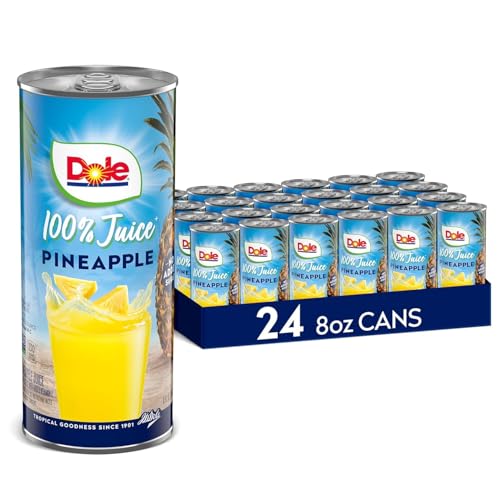
Dole 100% Pineapple Juice, 8.0 Fl Oz, Pack of 24 | 100% Fruit Juice M…
Dole 100% Pineapple Juice clearly states gluten-free on the label and contains no added sugars or gluten ingredients, making it a straightforward choice for your gluten-sensitive diet.
Most 100% pineapple juice products are gluten-free even without a third-party certification. You can check the label for ingredients like pineapple juice concentrate, filtered water, and ascorbic acid (vitamin C), which do not contain gluten. However, if you are highly sensitive, look for products with gluten-free seals or certification to be sure.
Certification from organizations like the Gluten-Free Certification Organization (GFCO) offers an additional layer of assurance through independent testing beyond FDA rules. Look for a gluten-free seal on the packaging when possible.
Carefully read the ingredient list to spot any additives or preservatives that might come from gluten-containing grains. Label transparency varies, so absence of a gluten-free label does not always mean gluten is present, but caution is advised if the label is unclear.
Manufacturers rarely process gluten-containing grains in juice production facilities, which lowers cross-contamination risk. Still, verify if you have extreme sensitivity or celiac disease.
How to Verify Pineapple Juice Gluten Safety
Look for FDA gluten-free label or statement
Check for third-party gluten-free certification (GFCO or similar)
Read ingredients carefully for gluten-derived additives
Consider manufacturer’s allergen statements or contact them
Be cautious with mixed juice products or cocktail mixers
Label Transparency
Not all pineapple juice products carry gluten-free labels, but pure juice without additives is very unlikely to contain gluten. When in doubt, choose certified products or contact the manufacturer to confirm.
Additives and Mixed Products May Contain Gluten
Added ingredients in pineapple juice blends, cocktail mixers, or marinades may contain gluten. Ingredients like malt, barley extracts, or flavorings derived from gluten grains can introduce gluten. Always read labels carefully and verify gluten-free status, especially in mixed products that include pineapple juice.
Preservatives and clarifying agents used in pineapple juice products rarely come from gluten-containing grains, but the labels don’t always specify their source. If you are highly sensitive to gluten or have celiac disease, it’s safest to avoid pineapple juice products without explicit gluten-free labeling.
Added ingredients in juice drinks may contain gluten even in small amounts. For example, some cocktail mixers with pineapple juice add malt extract or flavorings derived from wheat or barley. This can pose a risk for people avoiding gluten strictly.
Check Mixed Drinks Carefully
Cocktail mixers and marinades containing pineapple juice often include malt or gluten-containing flavorings. Avoid any product without clear gluten-free certification if you are gluten sensitive.
Pure Pineapple Juice
Naturally gluten-free, contains no wheat, barley, rye, or oats
Low risk of gluten cross-contamination in juice processing
Mixed Pineapple Juice Products
No gluten-free certification on some brands
Added ingredients in mixes may contain gluten, increasing risk
From JuicerAdvices · our own guidePage 10 has the citrus and fruit juices, with how much fruit each glass takes.Home Juicing Starter KitMake fresh juice that tastes good, costs less and keeps safely: 40 recipes with exact amounts, a yield chart and a 4-week plan.40 juice, smoothie and shot recipesYield, storage and food-safety chartsCost, yield and shopping-list calculator (Excel)$14.99$9.99Get it for $9.99See what's inside and watch the 2-minute video →18-page printable PDF + Excel calculator · instant download · 30-day refund
Storing and Handling Pineapple Juice to Prevent Gluten Exposure
Store opened pineapple juice in a clean, sealed container in the refrigerator to avoid cross-contact with gluten-containing foods. Use a clean glass or pitcher each time you serve it, and avoid utensils that have touched gluten. This helps maintain the juice’s gluten-free safety after opening.
At home, cross-contact is possible but preventable with good hygiene. Washing hands, cleaning surfaces, and using separate utensils help maintain gluten-free safety.
Unopened canned or shelf-stable pineapple juice has a very low risk of gluten contamination. Foaming when pouring juice is normal and not a sign of gluten presence or spoilage.
Keep It Separate
Use separate utensils and storage containers for pineapple juice and gluten-containing foods to avoid accidental gluten exposure.
Avoid Cross-Contact
Do not use spoons or containers that have touched gluten-containing foods to stir or store pineapple juice after opening.
Questions People Ask
Is pure pineapple juice safe for people with celiac disease?
Yes, pure pineapple juice is safe for people with celiac disease because it contains no gluten-containing grains. Still, those highly sensitive should look for gluten-free certification to avoid rare cross-contact risks.
Can pineapple juice contain gluten from processing aids or enzymes like bromelain?
Pineapple juice itself does not contain gluten from processing aids or bromelain, which is an enzyme unrelated to gluten. Manufacturers rarely use gluten-containing agents in juice production, keeping contamination unlikely.
What gluten-free certification should I look for on pineapple juice labels?
Look for seals from recognized groups like the Gluten-Free Certification Organization (GFCO), which test for gluten below 10-20 ppm. Such certification offers extra assurance beyond FDA labeling rules.
Are frozen pineapple juice concentrates gluten-free by default?
Frozen pineapple juice concentrates are gluten-free by default, as they contain only concentrated juice without added gluten ingredients. However, check labels if additives are included.
Could pineapple juice in cocktails or marinades contain gluten?
Yes, pineapple juice used in cocktails or marinades can contain gluten if mixed with other ingredients like malt vinegar or flavored syrups. Always verify the full ingredient list or ask about gluten-free status.
How reliable is gluten-free labeling on pineapple juice products?
Gluten-free labeling on pineapple juice is generally reliable due to FDA standards limiting gluten to under 20 ppm. Still, third-party certification adds confidence, especially for those with severe gluten sensitivity.
Has there ever been a recall or report of gluten contamination in pineapple juice?
There are no known recalls or reports of gluten contamination specifically involving pure pineapple juice. Cross-contamination risk remains low because juice facilities typically do not process gluten-containing grains.
Before you go · a welcome giftGet the Home Juicing Starter Kit for $4.99Make fresh juice that tastes good, costs less and keeps safely: 40 recipes with exact amounts, a yield chart and a 4-week plan. Normally $14.99; your welcome price saves $10.00. We'll email your link right now.or skip the email and buy it now for $4.99 →One email with your link now. We never share your address.
 Home Juicing Starter KitMake fresh juice that tastes good, costs less and keeps safely: 40 recipes with exact amounts, a yield chart and a 4-week plan.40 juice, smoothie and shot recipesYield, storage and food-safety chartsCost, yield and shopping-list calculator (Excel)