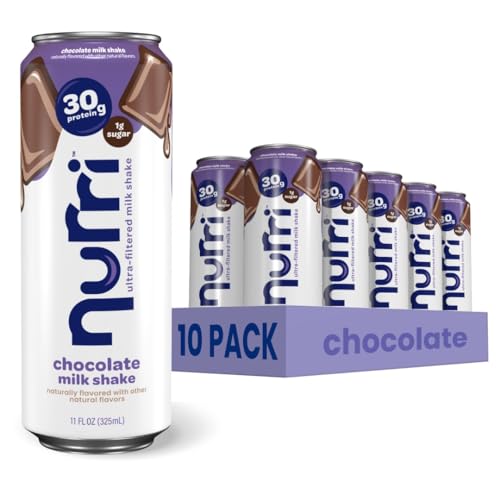
You order a chocolate shake at a diner. The server sets down a tall glass with a straw and a long spoon sticking out of the top. Which one are you supposed to use? That single moment captures the entire confusion of the milkshake debate. It’s too thick to sip like soda, but too liquid to cut with a fork. So what is it?
This article puts the question on trial. We will examine evidence from fluid dynamics, neuroscience, regulatory law, and regional traditions. You will walk away with a clear, context-based answer rather than a wishy-washy it’s-both. You’ll also know exactly when to grab a straw and when to reach for the spoon.

Hamilton Beach
Hamilton Beach DrinkMaster Retro Milkshake Maker &…
- MAKE CLASSIC COLD TREATS, COFFEE DRINKS AND MORE: Mix a wide variety of delicious creations with this drink mixer, from chocolate…
- INCLUDES 28 OZ. STAINLESS STEEL CUP: The extra-large mixing cup gives you plenty of room to create whatever your heart desires. It…
- EASY TO ACCESS AND CLEAN: The tilt-back head allows easy access when you need to add ingredients or take the cup on and off. After…
Before the testimony begins, a quick note on equipment. The Hamilton Beach DrinkMaster Retro Milkshake Maker solves the practical side of this debate at home. It comes with a 28-ounce stainless steel cup and a tilt-back head, so you can control the texture precisely—thick enough for a spoon or thin enough for a straw. The two speeds help you nail the consistency you want.

The Great Culinary Divide: Why We Argue
Humans love categories. We sort everything into boxes: food or beverage, solid or liquid, breakfast or dessert. A milkshake breaks those boxes. It sits in the middle, defying easy classification.
The argument usually starts with a simple test. If you can drink it from a glass, it’s a drink. If you need a spoon, it’s a food. But that test fails immediately. A thin milkshake from a fast-food joint passes the drink test. A thick, hand-spun shake from an old-fashioned soda fountain requires a spoon and fails the test completely.
Consider the physical state of the thing. A milkshake is an emulsion of milk fat, ice cream, and air. The ratio of those ingredients changes everything. More ice cream means higher viscosity. More milk means a thinner pour. The same name applies to wildly different textures, which is why the debate never ends.
There’s also a psychological angle. People associate drinking with thirst and eating with hunger. A milkshake does neither cleanly. It doesn’t quench thirst like water, but it also doesn’t require chewing like a burger. Your brain doesn’t know which system to activate, so you stand there holding both a straw and a spoon, feeling silly.
The Physics of a Milkshake: Viscosity and the Spoon Test
Physics gives us the most objective measurement. Viscosity is a fluid’s resistance to flow. Water has low viscosity. Honey has high viscosity. A milkshake sits somewhere between ketchup and mayonnaise, depending on how it’s made.
Here’s a practical way to think about it. A liquid with a viscosity below 100 centipoise pours easily from a bottle. A milkshake typically measures between 1,000 and 10,000 centipoise at serving temperature. That’s closer to a paste than a beverage. Some thick shakes exceed 50,000 centipoise, which is the consistency of peanut butter.
Temperature plays a crucial role here. Cold increases viscosity in fats. A shake at 32°F is noticeably thicker than the same shake at 45°F. That’s why a melted shake becomes a drink while a fresh one stays a semi-solid. The classification literally changes as the glass sits on your table.
The spoon test remains the most reliable home method. Tilt the spoon in the shake. If the liquid runs off in a steady stream, it behaves like a drink. If it clings to the spoon and holds its shape when you lift it, you’re eating a food. Most hand-spun shakes pass the food test. Most commercial fast-food shakes fail it.
There’s a real consequence to this distinction. A thick shake requires more effort to consume. You chew it, sort of. Your jaw moves. Your tongue works harder. That effort signals your brain that you’re eating, which triggers satiety responses. A thin shake goes down like a soda, and your brain never gets that signal.
The Brain’s Verdict: How We Perceive Thick Liquids
Neuroscience offers a surprising answer. Your brain processes thick liquids differently than thin ones. A 2026 study in the journal Appetite found that participants rated thicker liquids as more filling and consumed fewer calories afterward, even when the calorie content was identical.
The brain uses oral processing time as a proxy for food. The longer something stays in your mouth, the more your brain treats it as a meal. A thin liquid passes through in seconds. A thick shake lingers, coats your palate, and requires multiple swallows. Your brain registers that as eating.
This explains why a milkshake feels like a treat rather than a beverage. You don’t drink a shake while driving to work the way you drink coffee. You sit down. You focus on it. You savor it. That’s eating behavior, even if you never pick up a spoon.
Satiety and the Meal Replacement Myth
People sometimes treat a milkshake as a meal replacement. That’s a mistake. A typical 16-ounce shake contains 400 to 700 calories, mostly from sugar and fat. It has very little protein or fiber. The satiety you feel comes from thickness, not nutrition.
A study from Purdue University compared liquid and solid forms of identical meals. Participants who drank the liquid version felt hungrier sooner and ate more at the next meal. The physical act of chewing matters for fullness. A shake, no matter how thick, skips that step.
So the brain says food, but the stomach says drink. Your satiety signals fire, but they fade faster than they would after a solid meal. That’s the worst of both worlds. You get the calorie load of a meal with the satiety duration of a snack.
The Legal Definition: What the FDA and Dairy Councils Say
Regulators have actually weighed in on this debate. The U.S. Food and Drug Administration defines a milkshake as a food product in its Standards of Identity. The FDA requires a milkshake to contain at least 1.6% milkfat and 8.25% milk solids by weight. That’s a food standard, not a beverage standard.
State dairy councils go further. Many states require a product labeled milkshake to contain real ice cream. If it doesn’t, it must be called a shake or a dairy beverage. That’s why fast-food chains use terms like shake or creamy blend. Their products often use a soft-serve mix that doesn’t meet the legal definition of ice cream.
The distinction matters for labeling. A product called a milkshake in a grocery store must meet federal food standards. A product called a shake has more leeway. That’s why you see protein shakes and fruit shakes on store shelves, but you rarely see a bottled milkshake. The regulatory framework treats milkshakes as food.
One interesting note: the FDA classifies milkshakes under frozen desserts, not beverages. That puts them in the same category as ice cream and frozen yogurt. The agency doesn’t care about your straw. It cares about the composition, and the composition is solid food.
The Regional and Cultural Context: From Frappes to Concretes
Regional terminology reveals how culture views the milkshake. In New England, a frappe is a thick shake made with ice cream and syrup. The word comes from the French for iced. In Rhode Island, a cabinet is a shake made with coffee syrup. In the Midwest, a concrete is an extra-thick shake so dense that the cup can be flipped upside down without spilling.
These regional names reflect different textures. A frappe is thick enough to require a spoon. A cabinet is often thinner, closer to a drink. A concrete is undeniably a food—you eat it with a spoon, and it holds its shape like soft-serve ice cream.
Fast-food culture pushed the milkshake toward the drink category. Drive-through windows need straw-friendly products. A shake that requires a spoon doesn’t work in a car. So chains engineered thinner formulas. The result is a product that tastes like a milkshake but behaves like a beverage.
High-end dining took the opposite approach. Upscale restaurants serve shakes in coupe glasses with spoons, often with a garnish on top. The presentation signals food, not drink. Diners eat these shakes slowly, savoring each spoonful. The same base ingredients, but the cultural framing changes the classification.
Consider the spoon vs. straw etiquette debate. In formal dining, using a straw for a thick shake is considered gauche. The straw implies you’re drinking, which implies the shake is a beverage. A spoon signals that you’re eating a dessert. The choice of utensil is a social declaration about what you think the shake is.
The Contextual Matrix: When is it a Food vs. a Drink?
Context matters more than definition. The same shake can be a drink or a food depending on when and how you consume it. Here’s a practical decision matrix based on real scenarios.
| Context | Typical Texture | Classification | Best Utensil |
|---|---|---|---|
| Breakfast smoothie-style shake | Thin, pourable | Drink | Straw |
| Fast-food drive-through shake | Medium, straw-friendly | Drink | Straw |
| Diner hand-spun shake | Thick, spoonable | Food | Spoon |
| Midwest concrete | Very thick, holds shape | Food | Spoon |
| Dessert shake at a restaurant | Thick, garnished | Food | Spoon |
| Post-workout protein shake | Thin, watery | Drink | Straw or bottle |
Time of day matters too. A morning shake with coffee and protein powder functions as a beverage. You drink it alongside breakfast. An after-dinner shake functions as dessert. You eat it in place of cake or pie. The same glass of liquid changes category based on the meal it accompanies.
The Breakfast Shake vs. The Dessert Shake
Breakfast shakes are almost always drinks. They’re thin, made with milk or yogurt, and consumed quickly. Nobody eats a breakfast shake with a spoon. The goal is convenience, not indulgence.
Dessert shakes are almost always food. They’re thick, made with premium ice cream, and served with a spoon. The goal is pleasure, not efficiency. You sit down and enjoy it. You don’t chug it.
This split explains why the debate never resolves. Both sides are right, depending on which shake they’re thinking about. The thin breakfast shake is a drink. The thick dessert shake is a food. The name covers both, which is the root of the confusion.
The Verdict: It’s a Hybrid, But Here’s the Rule of Thumb
After hearing the evidence, the verdict is clear. A milkshake is a hybrid, but that’s not a cop-out. The classification depends on a single measurable factor: viscosity.
Here’s the rule of thumb. If you can drink it through a straw without significant effort, it’s a drink. If you need a spoon to get it out of the glass, it’s a food. That’s not subjective. That’s physics.
The legal definition agrees. The FDA treats milkshakes as frozen desserts, which is the food category. The cultural evidence agrees. High-end dining serves shakes with spoons. The neuroscience agrees. Your brain processes thick liquids as food.
But the practical reality is that most commercial shakes are drinks. Fast-food chains engineered them to be straw-friendly for drive-through convenience. So the milkshake you buy on the go is a drink. The milkshake you order at a soda fountain is a food. Same name, different category.
You can also control this at home. A blender that doesn’t heat up the drink preserves the cold temperature, which keeps the shake thick. The Hamilton Beach DrinkMaster mentioned earlier gives you the same control with a dedicated mixer. Use less milk for a spoonable food. Use more milk for a drinkable beverage. The choice is yours.
One final observation. The debate itself is more interesting than the answer. The milkshake’s refusal to fit a category is what makes it beloved. It’s a food that you can drink, a drink that you can eat. That ambiguity is a feature, not a bug.
Frequently Asked Questions
Is a milkshake a smoothie? What’s the difference?
No. A milkshake uses ice cream as its base. A smoothie uses fruit, ice, and often yogurt or milk. The texture difference comes from the ingredients. Ice cream adds fat and air, creating a richer, thicker product. Smoothies are typically thinner and lower in calories. A milkshake is dessert. A smoothie is closer to a health drink.
Can I eat a milkshake with a fork? (The texture question)
Technically, yes, but it won’t work well. A fork has gaps that let liquid pass through. A thick shake might cling to the tines, but you’ll get a tiny amount per bite. A spoon is the correct utensil for any shake thick enough to require one. If you’re using a fork, you’re making a statement, not eating efficiently.
Why do some milkshakes come with both a straw and a spoon?
That’s the restaurant acknowledging the ambiguity. The straw works while the shake is still thin. As it melts and thickens, you switch to the spoon. It’s also a signal that the shake is thick enough to eat, which customers interpret as higher quality. The dual utensil is a marketing move as much as a practical one.
Does a melted milkshake become a drink?
Yes. When a milkshake melts, its viscosity drops dramatically. The fat and ice cream separate, and the mixture becomes pourable. At that point, it behaves like a beverage. The same shake that required a spoon at 32°F becomes straw-friendly at 50°F. Temperature is the hidden variable in the food vs. drink debate.
Is a malted milkshake different from a regular milkshake?
A malted shake adds malted milk powder, which contains malted barley, wheat flour, and evaporated milk. The malt adds a toasty, slightly savory flavor and a slightly grainy texture. It also makes the shake slightly thinner because the powder absorbs some fat. Most people consider a malt a distinct drink, not just a shake with an add-in. The classification debate applies equally to both.
What You Can Actually Take From This
- Use the spoon test. If it holds shape on a spoon, it’s food. If it runs off, it’s a drink.
- Temperature changes the category. A cold shake is food. A melted shake is a drink.
- The FDA classifies milkshakes as frozen desserts, not beverages.
- Fast-food shakes are engineered to be drinks. Soda fountain shakes are engineered to be food.
- Your brain treats thick liquids as food, which triggers satiety signals.
- Context decides the label. A breakfast shake is a drink. A dessert shake is a food.
- If you want to control the texture at home, use a dedicated milkshake maker like the Hamilton Beach DrinkMaster and adjust the milk ratio to your preference.
For those watching their sugar intake, the same classification logic applies to other beverages. A milkshake sits closer to a dessert than a diet drink, so treat it accordingly. If you’re curious about how other drinks fit into a healthy routine, check out our guide on whether the pink drink is healthy. And if you’re managing blood sugar, our breakdown of energy drinks for diabetics offers a useful comparison.