Is Hershey’s Milkshake Healthy? The Sweet Truth
On this page 11 sections
You already know the short answer. A Hershey’s milkshake is not a health food. It’s a dessert. But that doesn’t mean you can never have one. The real question is timing. When is it fine? When should you wait? And when is it already too late to matter?
This guide breaks down the nutrition, the signals your body sends, and the honest trade-offs. No sugar-coating, no fear-mongering. Just the facts you need to decide.
Generic
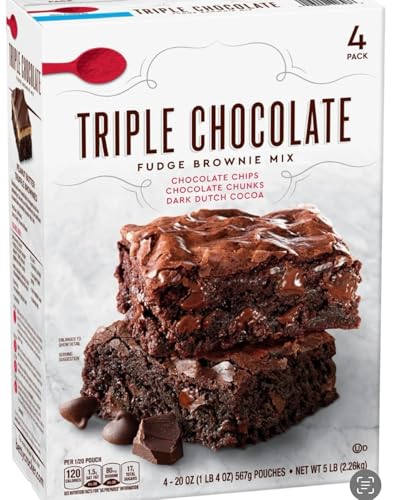
Betty Crockers HERSHEY Triple Chocolate Fudge Brownie…
- PACK CONTENTS: Four 20-ounce boxes of Betty Crockers HERSHEY Triple Chocolate Fudge Brownie Mix for multiple baking occasions
- FLAVOR PROFILE: Rich triple chocolate combination featuring HERSHEY cocoa and chocolate chips for an indulgent brownie experience
- CONVENIENCE: Easy-to-prepare mix requiring only basic additional ingredients like eggs, water, and oil for quick homemade brownies

What’s Actually In The Glass
A standard Hershey’s milkshake (about 16 ounces) packs roughly 600–800 calories. Most of those come from sugar and saturated fat. You are looking at 80–110 grams of sugar in a single serving. That is more than three times the American Heart Association’s daily limit for added sugar.
The protein content sits around 12–15 grams. That’s not nothing, but it’s not a meal replacement. The fat content, mostly from ice cream and whole milk, lands near 25–35 grams. About half of that is saturated fat.
Here’s the plain truth: a milkshake is a treat. It behaves like a treat in your body. Blood sugar spikes quickly. Insulin follows. Then comes the crash.
When A Milkshake Makes Sense
There are moments when a milkshake is the right call. The first is post-workout. If you just finished a long run or a heavy lifting session, your muscles need glycogen. The fast-digesting carbs in a milkshake actually help replenish those stores. The protein helps repair muscle tissue.
Another window is a special occasion. Birthdays, graduations, a rare night out. These are not daily events. They are exceptions. Your overall diet does not get derailed by one exceptional dessert. It gets derailed by daily habits.
Think of the milkshake as a once-a-week or once-a-month choice. At that frequency, the calories and sugar are manageable. Your body handles the spike and returns to baseline.
When You Should Wait
Timing matters more than most people think. The worst time for a milkshake is on an empty stomach in the morning. Your body has been fasting overnight. Insulin sensitivity is at its lowest point of the day. A massive sugar load first thing sends your blood glucose on a rollercoaster.
Another bad window is late at night. You do not need the energy for sleep. The sugar will disrupt your sleep quality. The fat will sit heavy in your stomach. You will wake up groggy and craving more sugar.
Also wait if you are sick. Your immune system is already working hard. A sugar bomb suppresses white blood cell activity for several hours. That is the opposite of what your body needs to recover.
The Timing Advice That Is Wrong
Conventional wisdom says to avoid milkshakes entirely if you are trying to lose weight. That advice is too rigid. It creates a scarcity mindset. When you tell yourself you can never have something, you often end up bingeing on it later.
A smarter approach is the planned indulgence. Schedule one milkshake per week. Put it on the calendar. Enjoy it fully without guilt. Then return to your normal eating pattern. This works because it removes the deprivation pressure. You are not fighting a craving; you are honoring it on your terms.
The data on diet adherence supports this. People who allow flexible treats stick to their nutrition plans longer than those who go cold turkey. The milkshake becomes a tool for consistency, not a failure.
Signals To Watch For
Your body gives you clear feedback after a milkshake. Pay attention to it. If you feel a crash within an hour, that means the sugar load was too high for your current metabolic state. If you feel bloated for hours, the dairy fat is not digesting well for you.
If you crave another sweet thing within 30 minutes, that is a red flag. It suggests your blood sugar spiked and dropped hard, triggering more hunger. That is the signal to stretch out the time between treats.
On the flip side, if you feel satisfied and energized after a small milkshake, your body handled it fine. That is a sign you can enjoy one occasionally without much metabolic harm.
How To Make A Smarter Version
You do not have to give up milkshakes. You can upgrade them. The easiest swap is the milk base. Use unsweetened almond milk or oat milk instead of whole milk. That cuts 50–80 calories and most of the saturated fat.
Next, control the portion. A 16-ounce milkshake is a lot. A 10-ounce serving is plenty. You still get the taste and texture, but you cut the sugar by nearly half.
Add a scoop of plain protein powder. This boosts the protein to 30+ grams and slows the sugar absorption. The shake becomes more balanced. It will keep you full longer and blunt the blood sugar spike.
For a homemade version, consider using a milk alternative for milkshake to cut calories without sacrificing creaminess.
What About The Brownie Mix?
If you are making desserts at home, the Betty Crockers HERSHEY Triple Chocolate Fudge Brownie Mix is a pantry staple. Each 20-ounce box makes a 13×9-inch pan. You get rich triple chocolate flavor with HERSHEY cocoa and chocolate chips already mixed in.
The convenience is real. You only add eggs, water, and oil. That is about five minutes of prep. The brownies are dense, fudgy, and satisfying. A small square pairs well with a small milkshake if you want a dessert plate.
But the same timing rules apply. A brownie is a treat. One square after dinner is fine. Half the pan is not. Check the current price on Amazon if you want to stock up for the holidays.
Seasonal Timing
Summer is the natural milkshake season. Hot weather makes cold treats more appealing. Your body also burns slightly more calories in heat, though not enough to offset a full shake.
Winter is trickier. The holidays bring more dessert occasions. You are also less active. A milkshake in December hits harder than one in July. If you want to enjoy one, do it after physical activity, not before a sedentary evening.
Spring and fall are neutral zones. Your activity level determines whether a milkshake fits. If you are walking or cycling more, a weekly shake is fine. If you are mostly indoors, stretch it to every other week.
When It Is Already Too Late
There is a point where a milkshake stops being a treat and becomes a habit. That point is two or more per week. At that frequency, the sugar and calories add up. Weight gain follows. Energy levels drop. Cravings intensify.
Another too-late signal is using a milkshake as a coping mechanism. If you reach for one after a stressful day, every day, that is emotional eating. The milkshake is not the problem; the stress is. Address the stress directly instead of masking it with sugar.
If you already have insulin resistance, prediabetes, or type 2 diabetes, a full-sugar milkshake is risky. The spike is too steep. Talk to your doctor about whether a small, modified version is safe.
The Bottom Line
A Hershey’s milkshake is not healthy. It is a dessert. That is okay. Desserts have a place in a balanced life. The key is frequency and portion size.
Enjoy one after a workout. Enjoy one on a special occasion. Plan it, savor it, and move on. Your body can handle that. It cannot handle daily sugar bombs.
If you want a deeper look at the nutrition differences between milk options, check out this milkshake nutrition guide for more context on what you are actually drinking.
Frequently Asked Questions
Is a small Hershey’s milkshake okay?
Yes, a 10-ounce serving occasionally is fine. It still has a lot of sugar, but the smaller portion keeps it manageable. Pair it with a meal that has protein and fiber to slow absorption.
Can I make a Hershey’s milkshake healthier at home?
Absolutely. Use unsweetened almond milk, sugar-free chocolate syrup, and a scoop of protein powder. Add ice and blend. You cut the sugar by 60% and add protein.
Does the brownie mix make a good gift?
It does. The 4-pack of Betty Crockers HERSHEY brownie mix is a practical gift for a baker. It is easy to store and easy to use. Add a handwritten note with a recipe idea.
How often can I have a milkshake without gaining weight?
Once a week is a safe baseline for most people. If you are very active, twice a week might work. If you are sedentary, stick to once every two weeks. Watch the scale for two weeks to see how your body responds.
Is a milkshake better than a soda?
It depends on your goals. A milkshake has protein and calcium, which soda lacks. But a milkshake also has more calories and saturated fat. For a dessert, the milkshake is the better choice. For hydration, neither works.