Is Grape Juice Good or Bad for Gout Sufferers? Yes, With Limits
On this page 6 sections
Gout is a form of arthritis caused by high uric acid levels that form painful crystals in joints. Managing your diet, especially sugar intake, helps control flares.
Grape juice contains fructose that can spike uric acid, but also antioxidants that may reduce inflammation. This article breaks down what you need to know about grape juice and gout, including safer options and portion advice.
Grape Juice and Gout: What You Should Know
Grape juice is generally not good for gout sufferers because its high fructose content raises uric acid levels, a key trigger for gout flares. If you choose to drink it, keep your intake to about 4 oz (half a cup) per day to limit the risk.
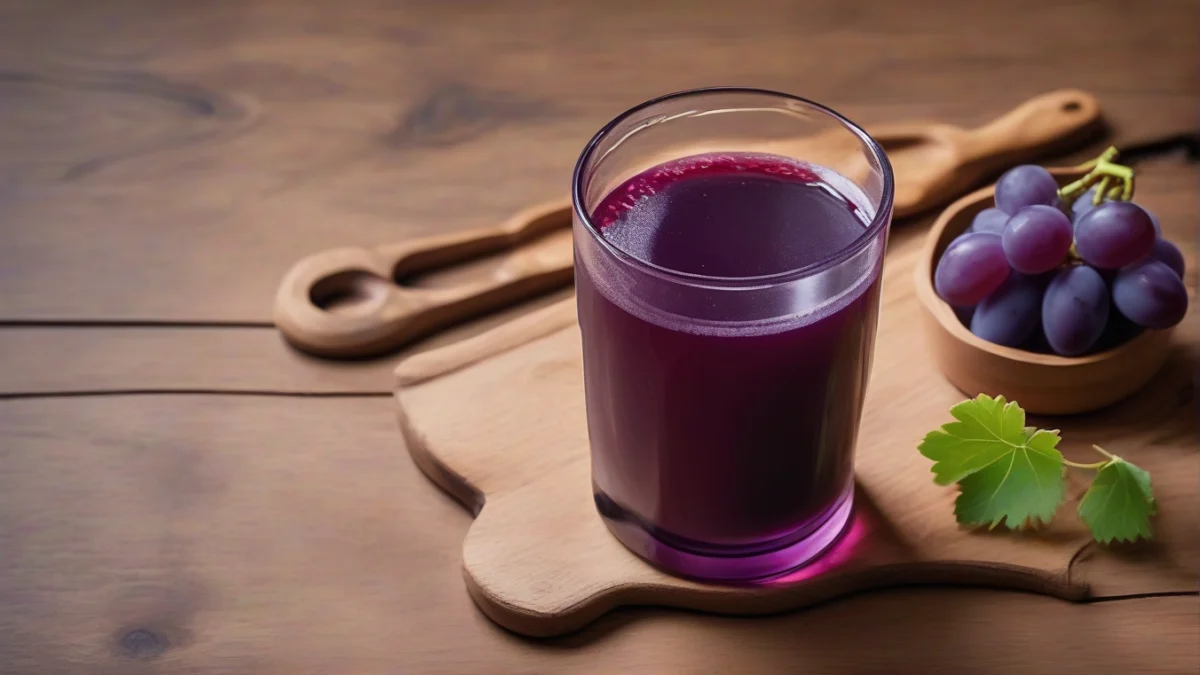
Fructose is metabolized in the liver, where it promotes the production of uric acid. Elevated uric acid can crystallize in joints, causing the pain and inflammation characteristic of gout. Juice contains concentrated fructose without the fiber found in whole grapes, so it spikes uric acid more quickly and sharply.
Whole grapes have fiber that slows sugar absorption, helping blunt uric acid increases. The antioxidants in grapes—like flavonoids and resveratrol—offer some anti-inflammatory effects but do not counterbalance the rapid fructose-induced uric acid rise from juice. That’s why even though grape juice has antioxidants, it’s still risky for gout.
Gout flare-ups can happen after drinking grape juice because the uric acid spike is swift and significant. Choosing grape juice over whole grapes increases your chance of triggering discomfort. If you want to include grape juice, stick to small amounts under 4 oz daily and monitor your symptoms closely.
| Type of Grape Juice | Fructose Content (per 8 oz) | Suitability for Gout Sufferers |
|---|---|---|
| Concord grape juice | About 23 g | Limit to small amounts |
| White grape juice | About 22 g | Limit to small amounts |
| Organic or no sugar added | Varies, usually lower | Preferable option if available |
How Whole Grapes Differ From Grape Juice for Gout
Whole grapes are generally safer for gout sufferers than grape juice because they contain fiber that slows down fructose absorption. This slower uptake means uric acid rises more gradually, reducing the risk of flare-ups.
Grape juice lacks fiber and is a concentrated source of fructose, which causes faster and higher spikes in uric acid. Raisins, dried grapes with even more concentrated sugars, pose a higher risk than juice. For example, a 1-cup serving of whole grapes has about 23 grams of sugar and 1.4 grams of fiber, while the same volume of grape juice contains roughly 36 grams of sugar and no fiber. Raisins pack approximately 59 grams of sugar per half-cup serving with minimal fiber.
Portion size matters: the more you eat or drink, the more fructose you take in, and the greater the uric acid spike. Eating a small handful of whole grapes is unlikely to cause a gout flare, but drinking a large glass of juice or eating several raisins could raise uric acid quickly.
So, if you have gout, you can usually include whole grapes in moderation but should avoid large amounts of grape juice or raisins. This difference shows how the form of the fruit impacts the speed and degree of uric acid production, which is central to managing gout symptoms.

Grape Colors and Their Impact on Gout
Red and black grapes are generally better choices for gout sufferers than green grapes because they contain higher levels of antioxidants called resveratrol and anthocyanins. These compounds help reduce inflammation and may slightly lower uric acid production, which is key for gout management.
Despite these antioxidant differences, fructose content remains similar across grape colors, so choosing red or black grapes improves the antioxidant-to-sugar ratio but does not reduce fructose intake itself.
Seeded grapes tend to have a bit more antioxidants than seedless varieties, offering a small additional benefit if you can handle the seeds.
Juices like cranberry grape juice or muscadine grape juice combine these antioxidants with other compounds that might also support joint health, but the fructose load remains a concern. Cran grape juice specifically blends cranberry’s benefits with grape antioxidants, though you should still limit amounts due to sugar.
While grape juice offers some antioxidant benefits, their role in gout is limited. Antioxidants can help with inflammation but don’t counteract the uric acid-raising effect of fructose, so juice should be consumed cautiously.
 Home Juicing Starter KitMake fresh juice that tastes good, costs less and keeps safely: 40 recipes with exact amounts, a yield chart and a 4-week plan.40 juice, smoothie and shot recipesYield, storage and food-safety chartsCost, yield and shopping-list calculator (Excel)
People Who Should Limit Grape Juice Intake
People experiencing active gout flares should avoid grape juice entirely because the fructose can trigger or worsen flare-ups by raising uric acid quickly.
If you have high uric acid but no current gout attack, it’s wise to limit grape juice to no more than 4 oz (half a cup) per day to reduce flare risk while still enjoying some benefits.
Those on uric acid-lowering medications need to consult their healthcare provider about grape juice, as interactions or individual factors might call for stricter limits or avoidance.
Kidney disease or diabetes require particular caution. Grape juice’s sugar content can affect blood sugar control in diabetes, and its potassium level may be a concern in kidney disease, so your doctor’s advice is essential.
Grape juice can ease constipation because of its water and sugar content, but this benefit may not outweigh gout risks for many people. It is a good source of antioxidants, yet those with gout need to weigh these benefits against fructose’s potential to raise uric acid and should follow their healthcare provider’s advice.
Better Drink Alternatives for Gout Sufferers
Tart cherry juice is a well-supported choice for gout sufferers because it may reduce inflammation and lower the frequency of gout flares. Drinking about 4 to 6 oz daily can help ease symptoms by providing antioxidants that counter uric acid’s effects.

Celery juice also shows promise for gout management due to its mild diuretic properties, which can help the kidneys clear uric acid more effectively. Around 8 oz a day might support uric acid balance, but watch for any electrolyte changes if you drink it regularly.
Many sodas and fruit juices contain high fructose corn syrup or large amounts of sugar, which can raise uric acid levels and worsen gout. Limiting added sugar intake to under 25 g daily and avoiding these high-fructose beverages is wise.
Water remains the safest and most important drink for gout. Staying well hydrated with about 8 cups (64 oz) daily helps the kidneys flush uric acid efficiently, which lowers the risk of crystal buildup in joints.
Cranberry juice does not significantly lower uric acid or prevent gout flares, so it’s not a reliable remedy for gout despite popular belief.
Pineapple juice contains bromelain, an enzyme that may modestly reduce inflammation, but current evidence is limited. Drinking it occasionally in small amounts, like 4 oz, is unlikely to harm but shouldn’t replace proven gout management methods.
A supplement combining celery seed extract, tart cherry, and other botanicals can support your uric acid management routine. Eu Natural Purge Uric Acid Flush offers this blend to promote joint comfort and help maintain uric acid balance.