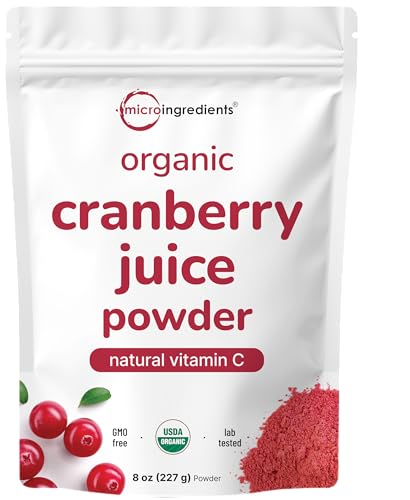
Cranberry Juice: A Powerhouse of Antioxidants
On this page 10 sections
- What Makes Cranberry Juice a Nutritional Powerhouse?
- The Science of Antioxidants: PACs and Polyphenols Explained
- Proven Health Benefits Backed by Research
- Cranberry Juice vs. Cocktail vs. Supplements: Which is Best?
- Potential Side Effects and Drug Interactions
- How to Choose the Right Product at the Store
- Simple Recipes for Homemade Cranberry Juice
- Recommended Daily Intake and Best Time to Drink
- Frequently Asked Questions
- The Bottom Line
You probably have a bottle of cranberry juice tucked in your fridge door, the kind you reach for when you feel a twinge of something wrong downstairs. Or maybe you buy it out of habit, vaguely aware it’s good for you. That instinct is right, but the details matter more than you think. Most commercial cranberry drinks are mostly sugar water with a splash of juice, and they won’t give you the benefits you’re paying for. This article walks through the actual science of cranberry juice, the specific compounds that make it work, and how to pick a product that delivers real antioxidants rather than empty calories.
You’ll learn what proanthocyanidins are, how much you actually need for urinary tract support, and why the difference between juice, cocktail, and concentrate changes everything. We’ll also cover the less obvious stuff: drug interactions, kidney stone risks, and how to read a label like someone who knows what to look for. By the end, you’ll know exactly what to buy and how to drink it.
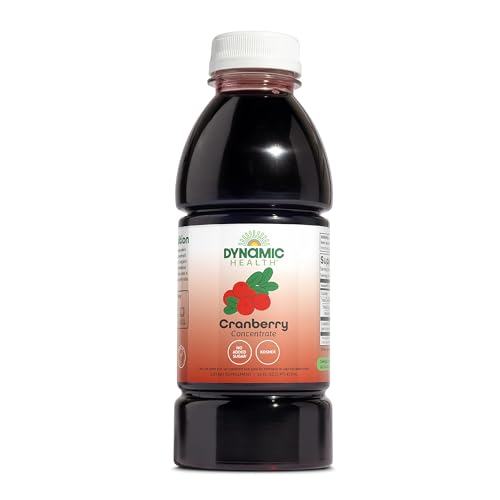
Dynamic Health
DYNAMIC HEALTH 100% Cranberry Juice Concentrate, 16…
- POTENT ANTIOXIDANT. Cranberries contain nutrients like vitamins C and E, plus the added power of the antioxidant quercetin. Antiox…
- COUNT ON CRANBERRY. You’ve probably heard that cranberries are great for urinary tract health. That’s because of proanthocyanidins…
- NO ADDED SUGAR. Our Cranberry Juice Concentrate is made without sweeteners or added sugar. It’s also Vegetarian, Gluten-Free, BPA-…
One product worth considering if you want the real deal is Dynamic Health 100% Cranberry Juice Concentrate. It packs about 4,000 cranberries per bottle, uses no added sugar, and skips the fillers that dilute most commercial juices. It’s a practical way to get a concentrated dose of the antioxidants we’re about to discuss.

What Makes Cranberry Juice a Nutritional Powerhouse?
Cranberries are one of the few fruits native to North America, and they’re practically unmatched when it comes to antioxidant density. The deep red color comes from anthocyanins, the same pigments that make blueberries and cherries dark. But cranberries also contain a rare class of compounds called A-type proanthocyanidins, or PACs. These are different from the B-type PACs found in grapes and apples, and that structural difference is why cranberries do things other fruits can’t.
The antioxidant capacity of cranberry juice is measured in ORAC units, a lab test that gauges how well a food neutralizes free radicals. Unsweetened cranberry juice scores around 2,500 ORAC units per 100 grams. For comparison, orange juice scores roughly 750. That’s a meaningful gap, and it translates to real physiological effects when you drink it regularly.
Beyond PACs, cranberries deliver vitamin C, vitamin E, and quercetin, a flavonoid with anti-inflammatory properties. A single cup of raw cranberries has about 14 milligrams of vitamin C, plus decent amounts of manganese and fiber. The juice loses some fiber in processing, but the polyphenols survive reasonably well, especially in concentrates that skip heavy filtration.
The Science of Antioxidants: PACs and Polyphenols Explained
Antioxidants are molecules that donate an electron to unstable free radicals, stopping a chain reaction that damages cells. Your body produces free radicals as a byproduct of metabolism, and environmental stressors like pollution and UV light add more. When free radicals outnumber antioxidants, you get oxidative stress, which accelerates aging and contributes to chronic disease.
The polyphenols in cranberry juice don’t just float around neutralizing free radicals. They also influence gene expression and enzyme activity. For example, quercetin has been shown to inhibit lipoxygenase, an enzyme involved in inflammation. And the A-type PACs interfere with the ability of bacteria to adhere to cell walls, which is the key mechanism behind cranberry’s urinary tract benefits.
Here’s the catch: bioavailability matters. Polyphenols are poorly absorbed in the small intestine, and most of them pass into the colon where gut bacteria break them down into smaller metabolites. Those metabolites enter circulation and do a lot of the work. That means the health of your gut microbiome directly influences how much benefit you get from cranberry juice. People with diverse gut bacteria tend to extract more antioxidant value from polyphenol-rich foods, which is one more reason to eat fermented foods alongside your juice.
Proven Health Benefits Backed by Research
Urinary Tract Health and UTI Prevention
The most well-studied benefit of cranberry juice is its effect on urinary tract infections, and the mechanism is surprisingly elegant. Most UTIs start when E. coli bacteria use hair-like projections called fimbriae to latch onto the lining of the urinary tract. The A-type PACs in cranberries physically block those fimbriae, so the bacteria get flushed out with urine instead of colonizing tissue.
The research on dosage is more specific than most articles admit. A 2026 Cochrane review found that cranberry products reduced symptomatic UTIs by about 26% in women with recurrent infections. The effective dose appears to be at least 36 milligrams of PACs per day, which translates to roughly 8 ounces of pure, unsweetened cranberry juice. Most commercial cocktails contain far less PACs because they’re diluted with water and sweetened with apple or grape juice.
It’s worth noting that cranberry juice is preventive, not curative. If you already have a UTI, drinking cranberry juice won’t clear the infection. You need antibiotics for that. But for women who get three or more UTIs a year, daily cranberry consumption is a legitimate, evidence-backed strategy to reduce frequency.
Cardiovascular Support and Cholesterol Management
The polyphenols in cranberry juice also support heart health through several pathways. A 2026 meta-analysis of randomized controlled trials found that cranberry consumption significantly reduced LDL cholesterol and increased HDL cholesterol. The effect was modest but consistent, with LDL dropping by about 5% on average.
The blood pressure benefits are tied to the same mechanism. Nitric oxide, a molecule that relaxes blood vessel walls, is protected by antioxidants. When oxidative stress degrades nitric oxide, blood vessels stiffen and pressure rises. The flavonoids in cranberry juice help maintain nitric oxide availability, which supports healthy blood pressure readings. One study showed a 3 mmHg reduction in systolic blood pressure after eight weeks of daily cranberry juice, which is comparable to some prescription medications at the lower end of their range.
Digestive Health and the Gut Microbiome
Emerging research points to cranberry juice as a prebiotic, meaning it feeds beneficial gut bacteria. The polyphenols that aren’t absorbed in the small intestine become food for Bifidobacterium and other friendly strains. A 2026 study found that daily cranberry consumption increased the abundance of beneficial gut bacteria while reducing markers of intestinal inflammation.
There’s also evidence that cranberry polyphenols inhibit the growth of H. pylori, the bacteria responsible for most stomach ulcers. While cranberry juice alone won’t eradicate an established H. pylori infection, it may reduce bacterial load when combined with standard treatment.
Cranberry Juice vs. Cocktail vs. Supplements: Which is Best?
This is where most people get confused, and the difference matters enormously. Cranberry juice is pure pressed fruit, tart and unsweetened. Cranberry cocktail is a sweetened beverage that typically contains only 25-30% real juice, with the rest being water and high-fructose corn syrup or other sweeteners. A 12-ounce serving of cocktail can pack 45 grams of sugar, which negates many of the health benefits.
Cranberry extract supplements are a third option. These are concentrated pills or powders standardized to a specific PAC content, often 100-300 milligrams per dose. They’re convenient and sugar-free, but the research on their effectiveness is mixed. Some studies show benefit, others don’t, and the discrepancy likely comes from poor bioavailability in pill form. The juice form delivers polyphenols in a matrix that may enhance absorption.
Here’s a practical comparison:
| Product Type | PAC Content (per serving) | Sugar Content | Best For |
|---|---|---|---|
| 100% Unsweetened Juice | ~36 mg per 8 oz | 4-5 g natural | Daily UTI prevention, antioxidant support |
| Cranberry Cocktail | ~10-15 mg per 8 oz | 30-45 g added | Occasional taste, not health goals |
| Concentrate (like Dynamic Health) | ~150-200 mg per 2 oz | 0 g added | High-dose PACs without drinking large volumes |
| Extract Supplements | 100-300 mg per capsule | 0 g | Convenience, but variable absorption |
For most people, a concentrate or pure juice is the best balance of efficacy and practicality. You get the PACs without the sugar spike, and you can dilute it to taste. If you’re comparing options, this cranberry juice vs cocktail breakdown goes deeper into the label differences.
Potential Side Effects and Drug Interactions
Blood Thinners and Medication Warnings
Cranberry juice interacts with warfarin, a blood thinner also sold as Coumadin. The mechanism is twofold. First, cranberries contain vitamin K, which plays a role in blood clotting. A cup of cranberry juice has about 18 micrograms of vitamin K, which isn’t huge but can add up with daily consumption. Second, cranberry juice inhibits CYP2C9, an enzyme in the liver that metabolizes warfarin. When that enzyme is suppressed, warfarin levels rise in the blood, increasing the risk of bleeding.
The clinical significance is debated, but the FDA has issued warnings, and case reports show elevated INR values (a measure of blood clotting time) in patients who drank cranberry juice while on warfarin. If you take warfarin, talk to your doctor before adding cranberry juice to your routine. Other blood thinners like apixaban and rivaroxaban don’t have the same interaction, but it’s still worth mentioning to your pharmacist.
Sugar Content and Blood Sugar Impact
Pure cranberry juice is tart enough to make your face pucker, which is why manufacturers add so much sugar. For people with diabetes or insulin resistance, the cocktail version is genuinely harmful. A 12-ounce serving of cranberry cocktail contains more sugar than a candy bar, and it spikes blood glucose quickly.
Unsweetened cranberry juice has a glycemic index of about 50, which is moderate. The natural sugars are balanced by polyphenols that slow glucose absorption. If you’re monitoring blood sugar, dilute one part concentrate with three parts water and pair it with a meal containing protein or fat. That combination blunts the glycemic response and keeps your levels steady.
How to Choose the Right Product at the Store
Reading a cranberry juice label is a skill, and it’s worth learning. The first thing to check is the ingredient list. It should have one ingredient: cranberries. If you see added sugar, high-fructose corn syrup, or grape juice concentrate, that’s a cocktail, not juice. The second thing to check is whether it says ‘from concentrate’ or ‘not from concentrate.’ Both are fine nutritionally, but ‘not from concentrate’ is less processed and often tastes fresher.
Look for the PAC content on the label. Some premium brands list it explicitly, and that’s a good sign. If it’s not listed, you can estimate: 100% juice has roughly 36 mg of PACs per 8 ounces. Cocktails have about a third of that. Concentrates like Dynamic Health are the exception, because they’re not diluted, so a 2-ounce serving delivers more PACs than a full glass of regular juice.
Also check for organic certification if that matters to you. Cranberries are heavily sprayed with pesticides, and the Environmental Working Group consistently lists them among the most contaminated fruits. Organic cranberry juice costs more, but it reduces your pesticide load. If you want to understand how juice companies cut corners, this guide on cheap juice production explains the tricks of the trade.
Simple Recipes for Homemade Cranberry Juice
Making your own cranberry juice at home is easier than you think, and it guarantees you know exactly what’s in it. Start with 12 ounces of fresh or frozen cranberries, 4 cups of water, and a pinch of salt. Simmer the berries in water for 15 minutes until they pop and release their juice. Strain through a fine mesh sieve or cheesecloth, pressing to extract as much liquid as possible.
The result is intensely tart, so you’ll want to dilute it. Mix one part concentrate with two parts still or sparkling water. If you need sweetness, add a touch of honey or stevia rather than sugar. You can also blend cranberry juice with unsweetened apple juice or pear juice for a milder flavor without adding refined sugar. Store it in the fridge for up to five days, or freeze it in ice cube trays for longer storage.
Recommended Daily Intake and Best Time to Drink
For UTI prevention, the evidence supports 8 to 10 ounces of 100% cranberry juice daily, or the equivalent in concentrate form. That’s about 36-40 mg of PACs. For general antioxidant support, a smaller amount, around 4 ounces, is sufficient. Drinking it in the morning on an empty stomach may improve absorption, though some people find the acidity bothersome. If that’s you, drink it with breakfast to buffer the acid.
Consistency matters more than timing. Sporadic cranberry juice consumption does little for UTI prevention, because the PACs need to be present in your urinary tract continuously to block bacterial adhesion. Daily consumption is the only approach that works.
Frequently Asked Questions
Can cranberry juice cure a UTI?
No. Cranberry juice prevents bacterial adhesion, but it doesn’t kill bacteria that have already colonized. If you have an active UTI, you need antibiotics. Cranberry juice can be a helpful addition after treatment to prevent recurrence, but it’s not a cure.
Is cranberry juice safe during pregnancy?
Yes, in normal food amounts. Unsweetened cranberry juice is safe and may help prevent UTIs, which are more common during pregnancy. Avoid cranberry extract supplements unless your doctor approves, because concentrated doses haven’t been studied in pregnant women.
Does cranberry juice help with kidney stones?
It depends on the stone type. Cranberry juice reduces calcium oxalate stones, the most common kind, because it lowers calcium and oxalate excretion in urine. However, it increases the risk of uric acid stones and may promote cystine stones. If you have a history of kidney stones, ask your doctor which type you had before making cranberry juice a daily habit.
Can I drink cranberry juice while taking antibiotics?
Generally yes, but check for interactions. Cranberry juice can increase the absorption of some antibiotics, particularly amoxicillin, which might be a good thing. It may also interfere with certain medications metabolized by the liver. When in doubt, space them out by two hours.
Is cranberry juice good for your skin?
Indirectly, yes. The antioxidants in cranberry juice reduce oxidative stress, which is a major driver of skin aging. The vitamin C content supports collagen production. But drinking juice is less effective than topical antioxidants for direct skin benefits, and the sugar in cocktails can worsen acne. Stick to unsweetened juice for any skin benefit.
The Bottom Line
Cranberry juice is a powerhouse of antioxidants, but only when you choose the right product. Here’s what to remember:
- Look for 100% pure cranberry juice or concentrate with no added sugar, and check the label for PAC content.
- Drink 8-10 ounces daily for UTI prevention, or about 2 ounces of concentrate diluted in water.
- Skip cranberry cocktail entirely; the sugar outweighs any benefit.
- If you take warfarin, talk to your doctor before drinking cranberry juice daily.
- Pair cranberry juice with meals to blunt blood sugar spikes and improve polyphenol absorption.
- Consider organic options to reduce pesticide exposure.
- For a concentrated, no-sugar option, Dynamic Health's cranberry concentrate is a solid choice worth checking the current price on Amazon.
Choose the right bottle, drink it consistently, and your body will thank you.