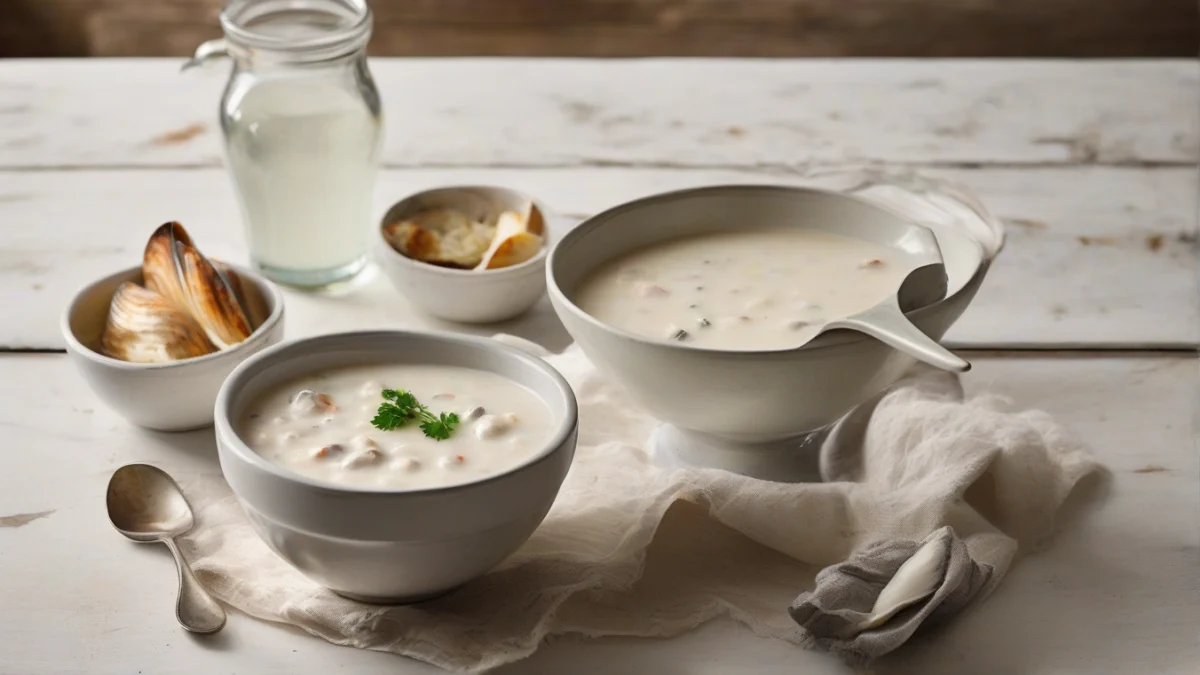
Clam juice is good for most adults when consumed in about 4 oz (half a cup) daily. It supplies vitamin B12, iron, and natural electrolytes but contains high sodium, which can affect blood pressure. The sodium helps replenish electrolytes but requires caution if you have hypertension or a sodium-restricted diet.
Clam juice is a flavorful broth extracted from clams during cooking. It is rich in minerals and nutrients that support nerve function, red blood cell formation, and hydration.
Despite its health benefits, clam juice’s high sodium content means it’s not suitable for everyone. Understanding how much to drink and who should avoid it can help you enjoy its benefits safely.
Key takeaways
A 4 oz serving of clam juice delivers vitamin B12, iron, selenium, zinc, and electrolytes with only about 15 calories.
Clam juice contains about 460 mg of sodium per 4 oz, nearly 20% of the daily recommended limit, so keep servings controlled.
People with high blood pressure or on sodium-restricted diets should limit or avoid clam juice due to its salt content.
Clam juice’s heme iron is more absorbable than plant-based iron, supporting anemia prevention.
Use clam juice in recipes like seafood sauces or cocktails to add nutrition and flavor without extra calories.
Is Clam Juice Good For You? What Nutrition and Limits Matter
Clam juice is good for most adults when consumed in about 4 oz (half a cup) daily. It provides vitamin B12, iron, zinc, selenium, potassium, and natural electrolytes but contains high sodium that requires caution if you have hypertension or a sodium-restricted diet.
Clam juice provides key nutrients but should be consumed in moderation due to sodium content.
A 4 oz serving of clam juice typically contains about 15 kcal, 2.5 g protein, 460 mg sodium, 2.5 mg iron, 7 mcg vitamin B12, plus zinc, selenium, and potassium. It is low in fat and carbohydrates.
The sodium and potassium in clam juice act as electrolytes that support hydration and nerve function. Vitamin B12 is important for maintaining nerve cells and producing red blood cells. The heme iron in clam juice is absorbed more efficiently by the body than iron from plant sources, which may help reduce the risk of anemia.
Most healthy adults benefit from the nutrients in clam juice as a low-calorie supplement or cooking ingredient. However, because one 4 oz serving can supply almost 20% of the 2,300 mg daily sodium limit, people with high blood pressure, kidney disease, or on sodium-restricted diets should limit intake or avoid it.
Drinking clam juice straight is safe for most but best kept to about 4 oz daily to balance benefits with sodium intake. Using it as a flavor enhancer in soups or sauces spreads the sodium over several servings.
Drink
Sodium per serving
Servings
Total
4 oz Clam Juice
460 mg
1
460 mg
Total
460 mg
Daily limit (2,300 mg)
20%
Sodium per serving compared to daily limit for most adults. Totals are calculated from the amounts shown; labels vary by size and brand, so check the one you have.
Good for
Low calorie and fat
Rich in vitamin B12 and heme iron
Provides natural electrolytes for hydration
Not for
High sodium content
Not suitable for sodium-restricted diets
Avoid if allergic to shellfish
Good for nutrition and cooking
Bar Harbor, Juice Clam, 8 Fl Oz
Bar Harbor clam juice offers a pure, natural source of vitamin B12 and electrolytes with no added sugar, ideal for boosting recipes or as a light drink.
You experience swelling, headache, or dizziness after drinking clam juice
You have uncontrolled high blood pressure and are unsure about sodium intake
You develop itching, hives, or breathing difficulty after consumption
What Are the Potential Side Effects and When to Be Careful
Clam juice side effects mainly relate to its high sodium content and the risk of shellfish allergy. Excess sodium can raise blood pressure and strain kidney function, especially if you consume more than 4 oz daily or have hypertension.
One cup (8 oz) of clam juice can contain up to 920 mg sodium, nearly 40% of the recommended 2,300 mg daily limit. Regularly exceeding this increases risk of high blood pressure and worsens kidney health.
Shellfish allergy is a serious concern. If you have a known allergy to clams or other shellfish, avoid clam juice entirely to prevent reactions ranging from mild skin rash to life-threatening anaphylaxis.
Digestive upset such as nausea or stomach discomfort may occur if you drink large amounts beyond the recommended daily serving, due to the high sodium and natural compounds in clam juice.
Reputable brands do not show evidence of heavy metal contamination in clam juice, but buying from trusted sources reduces risk and ensures safety.
Sodium and blood pressure
If you have high blood pressure or kidney disease, limit clam juice intake to under 4 oz per day or avoid it to prevent worsening symptoms.
Shellfish allergy risk
Avoid clam juice completely if you have any shellfish allergy. Even small amounts can trigger severe allergic reactions.
When to call your doctor
Sudden swelling of face, lips, or throat after drinking clam juice
Severe or worsening high blood pressure symptoms like headache or chest pain
Persistent digestive upset or unusual symptoms after consumption
Clam Juice Options to Consider
Choose pure, natural clam juice with minimal additives for best nutrition.
Pure and Natural
Bar Harbor Clam Juice 8 Fl Oz
This single 8 oz bottle offers a natural source of electrolytes and nutrients without extra additives, helping you control portion and sodium levels.
How to Choose and Store Clam Juice for Health and Flavor
Choose clam juice with as few ingredients as possible—ideally just clam juice and water. Avoid products that list added preservatives or have excessive salt to keep your intake balanced and reduce unwanted additives.
Canned or bottled clam juice is convenient but varies in sodium levels and nutrient retention. Fresh homemade clam juice offers superior flavor and may retain more natural nutrients like vitamin B12 and iron, though it requires more preparation.
1
Select a Quality Product
Look for clam juice labeled “pure” or “all natural” without extra salt or preservatives. Check the nutrition label for sodium content, aiming for lower amounts if you monitor salt intake.
2
Store Properly
Unopened clam juice can stay at room temperature. Once opened, refrigerate and use within 5 to 7 days or freeze for up to 3 months to preserve freshness and nutrients.
3
Make Fresh Clam Juice at Home
Simmer fresh clams in water until juices are released, strain well, and cool. This method avoids additives and delivers a cleaner, more nutrient-rich product.
Store clam juice safely
Bar Harbour Clam Juice
The Bar Harbor clam juice pack is easy to refrigerate and freeze, helping you keep clam juice fresh for up to a week once opened.
From JuicerAdvices · our own guide40 recipes with exact amounts, a yield chart and a 4-week plan: pages 8 to 13.Home Juicing Starter KitMake fresh juice that tastes good, costs less and keeps safely: 40 recipes with exact amounts, a yield chart and a 4-week plan.40 juice, smoothie and shot recipesYield, storage and food-safety chartsCost, yield and shopping-list calculator (Excel)$14.99$9.99Get it for $9.99See what's inside and watch the 2-minute video →18-page printable PDF + Excel calculator · instant download · 30-day refund
What Are Good Culinary Uses to Maximize Benefits
Clam juice is used primarily as a flavor enhancer in seafood dishes and cocktails, adding a salty, briny depth without adding fat or many calories. It works well as a base for clam chowders, imparting natural umami and boosting nutrient content with vitamin B12, iron, and electrolytes.
Clam juice enhances seafood dishes like clam chowder with natural umami flavor.
In seafood sauces and pasta dishes, clam juice can replace some cooking water or broth to enrich flavor and add minerals like potassium and selenium. It’s a smart choice when you want an extra punch of nutrition without carbs or fat.
Cocktail lovers often use clam juice in drinks like the Bloody Caesar, a savory cocktail where it provides a briny note that complements tomato juice and spices. This use highlights clam juice’s versatility beyond cooking.
For those avoiding clam juice due to allergies or taste preferences, good alternatives include low-sodium vegetable broth or seafood broth made without shellfish. These options offer flavor without the risk of shellfish allergens and lower sodium load.
Using Clam Juice in Cooking
Add 1/4 to 1/2 cup clam juice to chowders or seafood soups for richer flavor
Use clam juice instead of water or broth in pasta sauces for an umami boost
Mix clam juice with tomato juice and spices to craft classic cocktails like the Bloody Caesar
Store opened clam juice refrigerated and use within 5-7 days to preserve freshness
These culinary uses let you enjoy clam juice’s nutrients and distinctive flavor safely and deliciously. If you want recipe ideas or more on what clam juice is used for, see our related guide What Is Clam Juice Used For.
Who Should Avoid or Limit Clam Juice and Why
Clam juice is not suitable for everyone. People with high blood pressure or those on sodium-restricted diets should limit intake because one cup contains about 920 mg of sodium—nearly 40% of the daily recommended limit.
If your care team advises a low-sodium diet, even 4 oz (half a cup) can add a significant sodium load. Consider alternatives like low-sodium vegetable broth to avoid raising blood pressure or interfering with medications.
Anyone with a shellfish allergy should avoid clam juice altogether. The juice contains shellfish proteins that can trigger allergic reactions, ranging from mild to severe.
People with kidney disease or those on certain medications that affect electrolyte balance should also be cautious. Clam juice’s high sodium and potassium content can disrupt kidney function or interact with drugs. Follow your healthcare provider’s advice strictly.
Good for
People without sodium restrictions who want a nutrient-rich, low-calorie drink
Those seeking a natural source of vitamin B12, iron, and electrolytes
Not for
People with hypertension or on sodium-restricted diets
Those with shellfish allergy
People with kidney disease or on medications affecting electrolytes
If You Should Limit or Avoid Clam Juice
Check your blood pressure and sodium intake regularly
Consult your healthcare provider if you have kidney issues or take diuretics
Avoid clam juice if you have any shellfish allergy
Yes, you can drink clam juice straight in small amounts like 4 oz (half a cup) daily. Many find its strong salty and briny flavor intense, so it’s often diluted or used in recipes. Drinking it straight delivers nutrients like vitamin B12 and iron quickly but watch for sodium intake if you have high blood pressure.
How much clam juice can I drink daily without health risks?
About 4 oz (half a cup) daily is safe for most adults and provides beneficial nutrients without excessive sodium. Larger amounts risk exceeding recommended sodium limits, which can raise blood pressure or cause fluid retention, especially in sensitive individuals. If you have hypertension or a sodium-restricted diet, limit intake further or consult your doctor.
Does clam juice help with hydration better than other electrolyte drinks?
Clam juice contains natural electrolytes like sodium and potassium that support hydration, but its very high sodium content means it’s best used sparingly. Unlike balanced sports drinks, clam juice’s sodium level is high enough to require caution. For regular hydration, milder electrolyte drinks or water are safer and more effective.
Can clam juice cause allergic reactions beyond shellfish allergy?
Shellfish allergy is the main concern with clam juice, as it is derived from clams. There are no common reports of other allergies triggered by clam juice, but cross-reactivity with other seafood allergies can occur. People with any seafood allergy should avoid it to prevent reactions.
Is clam juice beneficial for thyroid health?
Clam juice supplies selenium and iodine, minerals that support thyroid function and antioxidant protection. These nutrients help maintain healthy hormone production and cell health. While clam juice can contribute to your intake, it should not replace a balanced diet or medical treatment for thyroid conditions.
Does freezing clam juice affect its nutritional value?
Freezing clam juice preserves most of its nutrients, including vitamin B12 and minerals, for later use. It also extends shelf life beyond the 5-7 days recommended for refrigerated opened juice. Some slight texture or flavor changes may occur, but the nutritional benefits remain largely intact.
Before you go · a welcome giftGet the Home Juicing Starter Kit for $4.99Make fresh juice that tastes good, costs less and keeps safely: 40 recipes with exact amounts, a yield chart and a 4-week plan. Normally $14.99; your welcome price saves $10.00. We'll email your link right now.or skip the email and buy it now for $4.99 →One email with your link now. We never share your address.


 Home Juicing Starter KitMake fresh juice that tastes good, costs less and keeps safely: 40 recipes with exact amounts, a yield chart and a 4-week plan.40 juice, smoothie and shot recipesYield, storage and food-safety chartsCost, yield and shopping-list calculator (Excel)