Celery Juice Benefits for Liver Health: Fact or Fad?
On this page 5 sections
Celery juice is rich in antioxidants and vitamins, which may support liver health by promoting detoxification and reducing inflammation.
Celery juice has gained massive popularity as a detox drink, with many claiming it can work wonders for liver health. But does science back these claims? Let’s examine the evidence behind celery juice and its potential effects on liver function.
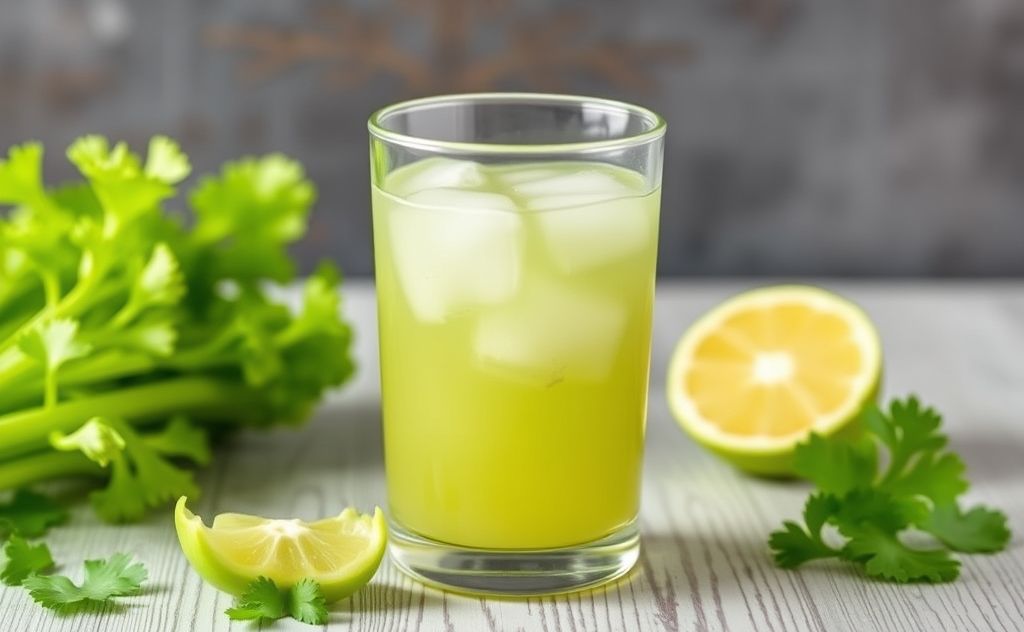
Nutritional Profile of Celery Juice
A 10-ounce serving of fresh celery juice contains:
| Nutrient | Amount |
|---|---|
| Calories | 42 |
| Vitamin K | 74% DV |
| Vitamin C | 16% DV |
| Potassium | 14% DV |
| Folate | 12% DV |
Key Liver-Supporting Compounds
Celery contains several compounds that may benefit liver health:
- Apigenin and luteolin: These flavonoids have shown anti-inflammatory effects in studies
- Polyacetylene: May help reduce liver inflammation
- Phthalides: Compounds that may improve circulation to the liver
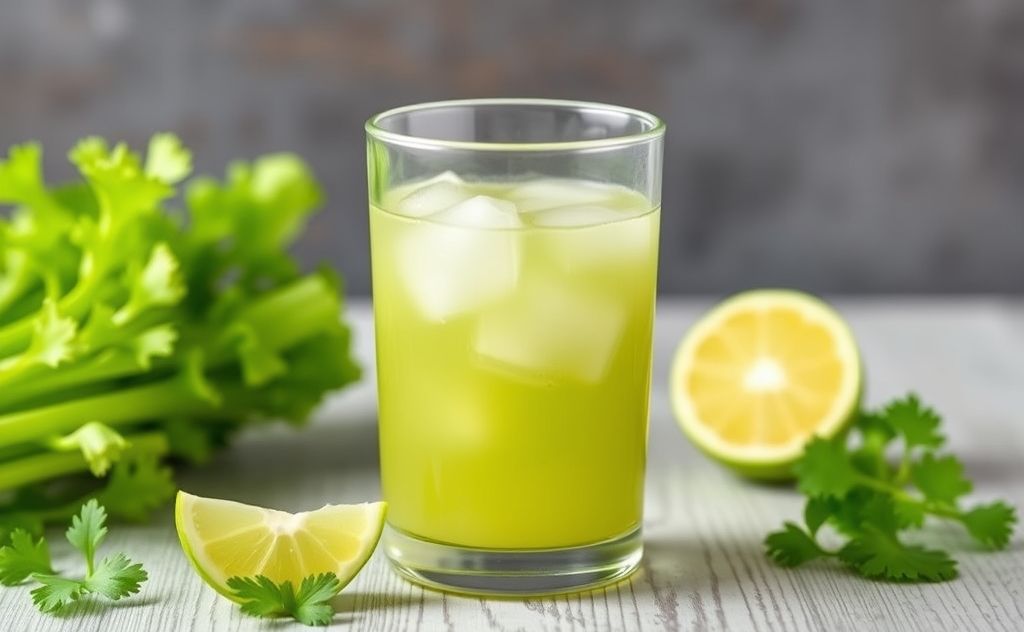
Potential Liver Benefits
1. Supports Natural Detoxification
The liver is our body’s primary detox organ. While celery juice doesn’t “detox” the body as some claim, its nutrients may support the liver’s natural detox processes. The best cold press juicers can help preserve these delicate nutrients.
2. May Reduce Liver Fat
Some animal studies suggest celery extract may help reduce fat accumulation in the liver. However, human studies are needed to confirm this effect.
3. Anti-Inflammatory Effects
Chronic inflammation can damage liver cells. Celery’s antioxidants may help combat this inflammation, potentially protecting liver tissue.
Limitations and Considerations
Fiber Loss in Juicing
Juicing removes most of celery’s fiber, which is important for gut health and toxin elimination. For maximum benefits, consider using a blender and juicer combo to retain some fiber.
No Substitute for Medical Treatment
While celery juice may support liver health, it’s not a treatment for liver disease. Always consult a doctor for serious liver conditions.
 Home Juicing Starter KitMake fresh juice that tastes good, costs less and keeps safely: 40 recipes with exact amounts, a yield chart and a 4-week plan.40 juice, smoothie and shot recipesYield, storage and food-safety chartsCost, yield and shopping-list calculator (Excel)
How to Incorporate Celery Juice
For potential liver benefits:
- Use fresh, organic celery
- Drink 8-16 ounces first thing in the morning
- Consume immediately after juicing for maximum nutrients
- Combine with lemon juice for enhanced flavor and vitamin C
According to Cleveland Clinic, while celery juice isn’t a miracle cure, it can be part of a healthy diet that’supports liver function.
The Bottom Line
Celery juice contains beneficial compounds that may support liver health by reducing inflammation and providing antioxidants. However, it’should complement – not replace – a balanced diet and medical treatment when needed. For those interested in juicing, investing in a quality slow juicer can help maximize nutrient retention.
Related pick: Check price on Amazon