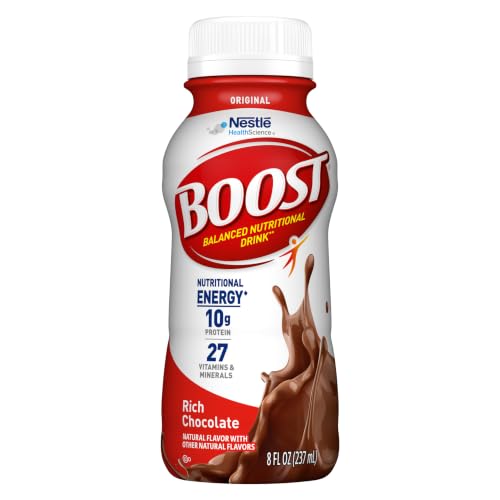
Is BOOST nutritional drink healthy? It can be useful for filling nutrition gaps when appetite is low or eating is difficult, but it is not automatically healthier than a balanced diet. The best choice depends on the specific BOOST formula, your calorie and protein needs, and how often you drink it.
BOOST nutritional drinks provide a convenient combination of calories, protein, vitamins, and minerals. They may help older adults, people recovering from illness, or anyone with difficulty chewing or swallowing eat enough, but healthy adults usually do not need them as a daily supplement. Sugar, calories, ingredients, and product benefits vary by formula.
[amazon_spotlight keyword=”Boost Drink”]What Is Boost Nutritional Drink?
Boost is a line of nutritional supplement drinks produced by Nestlé. Originally designed for people over 50, it now offers products for various dietary needs. The drinks come in ready-to-drink bottles and powder forms, available in multiple flavors.
Key Ingredients in Boost Drinks
Most Boost products contain:
- Protein, with the amount varying substantially by product
- Calories designed to supplement food or provide a small meal when needed
- Vitamins and minerals such as calcium, vitamin D, and B vitamins
- Carbohydrates and either added sugar or noncaloric sweeteners, depending on the formula
- Some formulas also contain fiber or prebiotic fiber
BOOST Product Comparison: Original, Plus, High Protein, Glucose Control, and Advanced
| Formula | May fit best | What to check |
|---|---|---|
| Original | General nutrition when convenience matters | Added sugar and calories; it may not be the best choice for blood sugar or weight control |
| Plus | Weight gain or higher calorie needs | Its extra calories are helpful only if you need them and can replace, rather than simply add to, food |
| High Protein | People who need more protein or want a convenient protein-containing snack | Protein does not make it a complete meal, and calories, sugar, and sweeteners still vary |
| Glucose Control | People discussing a lower-sugar or different-carbohydrate option with a clinician | It is not diabetes treatment; compare total carbohydrate and monitor blood sugar |
| Advanced | People seeking a more concentrated protein and nutrition option | Check the current label for calories, protein, carbohydrate, and fiber before choosing it |
Formulas and serving sizes can change, so use the label on the bottle you buy rather than relying on a product name alone.
Potential Benefits of Boost Drinks
1. Convenient Nutrition Source
For people who struggle to eat enough solid food, Boost provides concentrated nutrition in an easy-to-consume form. This can be helpful for:
- Older adults with decreased appetite
- Cancer patients undergoing treatment
- Those recovering from surgery
- People with swallowing difficulties
2. Muscle Maintenance
The high protein content (20-30g per serving) in Boost drinks may help prevent muscle loss, especially important for aging adults. Protein is essential for maintaining muscle mass and strength.
3. Vitamin and Mineral Supplementation
Many BOOST products provide a range of vitamins and minerals, including calcium, vitamin D, and B vitamins. These nutrients can help fill a dietary gap, but taking a nutritional supplement alongside other fortified foods or supplements may provide more of certain vitamins and minerals than you need.
Potential Drawbacks of Boost Drinks
1. High Sugar Content
Some Original BOOST products contain substantial added sugar. Check both total sugar and added sugar on the Nutrition Facts label, because milk ingredients can contribute to total sugar even when they are not added. The ingredient list also matters: when glucose syrup or sugar appears near the beginning, the drink is contributing a meaningful amount of added sugar.
2. Artificial Ingredients
Some Boost varieties contain artificial sweeteners like sucralose and acesulfame potassium. While considered safe by regulatory agencies, some people prefer to avoid these additives.
BOOST can supplement meals, but it should not automatically replace a varied diet. Even a nutritionally fortified drink may provide less fiber, texture, and plant compounds than whole foods. Use it as a meal replacement only when the product fits your needs and a healthcare professional or registered dietitian recommends that approach.
While Boost provides concentrated nutrition, it lacks the fiber, phytonutrients, and other beneficial compounds found in whole foods. For healthy individuals, homemade smoothies made with fresh ingredients may be a better option.
Who Should Consider Boost Drinks?
Boost may be beneficial for:
- Older adults with poor appetite or unintentional weight loss
- People recovering from illness, surgery, or cancer treatment
- People with difficulty chewing or swallowing
- Anyone whose medical condition makes it difficult to meet calorie or protein needs through food alone
However, most healthy individuals can get all necessary nutrients from a balanced diet. If you’re considering Boost, consult with a healthcare provider first.
Boost vs. Whole Food Alternatives
Instead of relying on processed nutritional drinks, you might consider whole food alternatives:
| Nutrient | Boost Source | Whole Food Alternative |
|---|---|---|
| Protein | Milk protein concentrate | Greek yogurt, eggs, lean meats |
| Calcium | Added calcium carbonate | Milk, cheese, leafy greens |
| Vitamin C | Ascorbic acid | Citrus fruits, bell peppers |
Special Considerations
For People With Diabetes
BOOST Glucose Control is formulated with a different carbohydrate and sugar profile than many standard products, but it is not a treatment for diabetes and is not automatically appropriate for everyone with high blood sugar. Compare total carbohydrate, fiber, and added sugar, monitor your blood sugar response, and ask a healthcare professional or registered dietitian how it fits your eating plan.
For Weight Management
For weight gain, a higher-calorie formula such as BOOST Plus may be useful when appetite is poor. For weight loss, choosing High Protein does not make the drink a weight-loss product: total calories still matter, and drinking it in addition to meals can lead to excess calories. A lower-calorie, lower-sugar option or a whole-food snack may fit better.
For Kidney Health
People with kidney disease should not choose a high-protein or vitamin-and-mineral-fortified drink without medical advice. Protein, potassium, phosphorus, and fluid allowances vary by kidney function and treatment, so ask your doctor or renal dietitian to review the specific label.
Medication, Allergy, and Lactose Considerations
BOOST is not a substitute for medication, and its vitamins and minerals can overlap with a multivitamin or other fortified products. Ask a pharmacist about possible interactions if you take medicines regularly. Check the allergen statement for milk and soy, and remember that lactose-free is not the same as dairy-free; people with lactose intolerance should choose a suitable formula or another drink.
Making an Informed Decision
When considering Boost nutritional drinks:
- Compare calories, protein, total carbohydrate, added sugar, and fiber
- Check the ingredient list for glucose syrup, sugar, milk ingredients, and sweeteners
- Match the formula to your goal instead of assuming the most protein is best
- Consider whether the drink is replacing food or adding calories to your usual diet
- Ask a healthcare provider or registered dietitian if you have a medical condition or take other supplements
How Often Can You Drink BOOST?
There is no single healthy daily amount. Use the smallest portion that meets your goal: an occasional snack may be reasonable for a healthy adult, while someone with malnutrition or appetite loss may need a clinician-set schedule. If you drink BOOST regularly, count it toward your daily calories and protein rather than adding it on top of meals, and review whether whole foods could meet the same need.
For those looking for healthier alternatives, green smoothies made with fresh vegetables and fruits can provide similar nutrients without added sugars or artificial ingredients.
Most healthy adults can meet their nutrition needs from a balanced diet. BOOST is best viewed as a convenient nutritional supplement for a specific need, not a requirement for good health. Choose the formula and portion that match your goal, and favor whole foods when you can eat them comfortably.