Skip to content
JuicerAdvicesDrink safety, answered

Is Apple Juice Acidic? pH Levels and What It Means for GERD

Quick answer
Apple juice is acidic, with a typical pH between 3.5 and 3.7 per 8 oz serving. This level is moderate acidity, lower than citrus juices but enough to trigger reflux in sensitive people, so portion control and dilution are key for GERD management.

Apple juice’s acidity comes mainly from malic acid, giving it a tangy taste that can irritate an already sensitive esophagus. While many tolerate it well, those with acid reflux or GERD should consider how much and how they drink it.

Understanding the exact pH helps you compare apple juice to other drinks and pick safer options for your digestion. This article breaks down acidity levels, effects on reflux, and practical tips for enjoying apple juice without discomfort.

What to remember
Apple juice’s pH typically ranges from 3.5 to 3.7, making it acidic but less so than lemon or orange juice.
Malic acid is the main acid, and commercial juices often contain added citric or ascorbic acid, increasing acidity slightly.
People with GERD or acid reflux may experience symptoms if they drink apple juice undiluted or in large amounts.
Diluting apple juice 50/50 with water and limiting servings to 4 oz with meals can reduce reflux risk.
Alternatives like pear juice, vegetable juice, herbal teas, and plant-based milks offer gentler options for sensitive stomachs.

Is Apple Juice Acidic? What Its pH Level Means for GERD

Apple juice is acidic, with a typical pH between 3.5 and 3.7. This acidity level makes it less acidic than lemon juice but still enough to potentially irritate the esophagus in people with acid reflux or GERD.

clear glass filled with amber apple juice next to whole red apples on table
Apple juice typically has a pH between 3.5 and 3.7, indicating moderate acidity.

The main acid in apple juice is malic acid, which accounts for about 90% of its total acidity. Commercial apple juice often contains added citric and ascorbic acids, which can lower the pH slightly, increasing its acidity.

JuicepH Range
Lemon juice~2.2
Apple juice3.5 to 3.7
Orange juice3.3 to 4.2
V8 vegetable juice~4.2
Typical pH values of common juices

Compared to citrus juices like lemon and orange, apple juice is moderately acidic. Its pH level means it can still trigger acid reflux symptoms in sensitive individuals. The acidity can irritate the esophagus because, in GERD, stomach acid flows back up and the lining is already inflamed.

Acidic drinks also contribute to dental erosion over time by wearing down tooth enamel. People with GERD should be aware that even moderately acidic beverages like apple juice can worsen symptoms or cause discomfort if consumed in larger amounts or without dilution.

About pH and reflux
pH is a measure of acidity: lower numbers are more acidic. A pH below 7 is acidic, and the stomach’s natural acid is around pH 1.5 to 3.5. Apple juice’s pH near 3.5 means it’s acidic enough to affect the esophagus but less harsh than citrus juices.
To reduce reflux risk from apple juice
Limit portions to about 4 oz (half a cup) at a time
Dilute apple juice with water to raise pH
Avoid drinking apple juice on an empty stomach
Monitor symptoms and adjust intake accordingly

Understanding the acidity of apple juice helps you decide if it fits your reflux-friendly diet. While not as acidic as lemon juice, its malic acid content still demands caution if you are prone to heartburn or GERD.

If you want a less acidic alternative, consider non-citrus vegetable juices or plant-based milks, which usually have higher pH levels and are gentler on the esophagus.

For more on how apple juice acidity compares to other drinks and what it means for reflux, see Apple Juice pH Level: What You Need to Know.

Apple Juice’s Effect on Acid Reflux and GERD Symptoms

Apple juice is acidic and can trigger acid reflux symptoms in some people, especially if consumed in large amounts or undiluted. Its typical pH around 3.5 to 3.7 means it has moderate acidity, enough to irritate the esophagus in sensitive individuals.

Acid reflux happens when stomach acid flows back into the esophagus due to a weak or relaxed lower esophageal sphincter. Acidic drinks like apple juice can worsen this irritation, leading to heartburn or discomfort.

Compared to citrus juices or coffee, apple juice is less acidic but still a known reflux trigger for some. Drinking a small 4 to 6 oz serving diluted with water can reduce symptoms, while large or undiluted servings increase risk.

Apple juice’s sugar content can also promote bloating and reflux by increasing stomach pressure. High sugar intake may delay stomach emptying, making reflux symptoms more likely.

Avoid apple juice during active GERD flare-ups, on an empty stomach, or in large quantities. Combining apple juice with trigger foods or lying down soon after drinking can worsen symptoms.

Lifestyle factors matter: eating smaller meals, avoiding known triggers like caffeine or fatty foods, and not lying down within 2 to 3 hours after drinking apple juice help manage reflux.

Key Points for Apple Juice and GERD
Limit to about 4 to 6 oz per serving, diluted if possible
Avoid on an empty stomach or during flare-ups
Watch for added sugars on the label
Don’t lie down soon after drinking
Combine with reflux-friendly foods
When to Avoid Apple Juice
If you notice increased heartburn, chest pain, or regurgitation after drinking apple juice, it’s best to avoid it until symptoms improve. Large undiluted servings are more likely to trigger discomfort.
When to Call Your Doctor
Seek medical advice if heartburn is severe, persistent, or accompanied by difficulty swallowing or weight loss.
Severe or worsening chest pain
Difficulty swallowing or painful swallowing
Unintentional weight loss
Persistent vomiting or blood in vomit
Symptom Management Tip
Try diluting apple juice with an equal part of water and drink it slowly to reduce acidity and lessen reflux symptoms.
Products to Consider for Gentle Juice and Kidney Support
Options for low-acid juice and natural uric acid support
No sugar added
Mott’s 100% Original Apple Juice 8 oz Bottles
This 100% apple juice offers two servings of fruit per 8 oz bottle without added sugar, making it a straightforward choice for those managing reflux who want to control portion size and acidity.
Check price on Amazon
Natural uric acid support
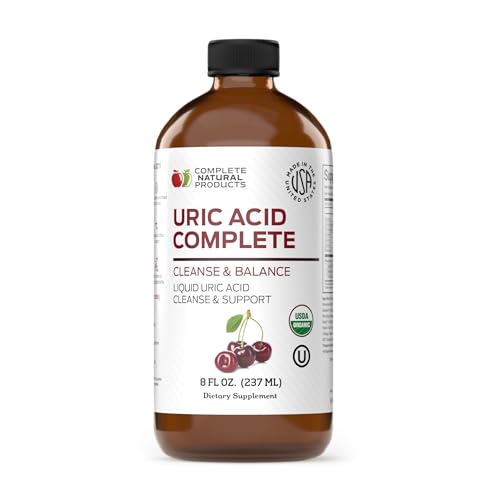
CNP Uric Acid Complete Liquid 8 oz Tart Cherry
This liquid supplement combines natural, organic-certified ingredients to help filter and flush uric acid, which can be beneficial for kidney circulation without adding acidity to your diet.
Check price on Amazon

Apple Juice Versions and Dilutions With Lower Acidity

Apple juice usually has a pH between 3.5 and 3.7, but this can vary slightly between brands depending on processing and additives. Some commercial juices include added acids like citric acid or ascorbic acid, which can lower the pH further.

Diluting apple juice with water is a simple way to reduce its acidity. Mixing equal parts juice and water raises the overall pH closer to neutral, easing reflux risk.

Juice TypeApproximate pH
Clear, commercial apple juice3.5 to 3.7
Cloudy or unfiltered apple juice3.6 to 3.8
Calcium-fortified apple juice3.7 to 3.9
Freshly pressed apple juice (home-made)3.6 to 4.0
Typical pH Range in Apple Juice Versions

Cloudy apple juice contains more fiber than clear juice, which slows sugar absorption and may make it gentler on reflux symptoms. Calcium-fortified juices can slightly neutralize acidity, but the effect varies by product.

Freshly made apple juice at home from whole apples avoids additives and preservatives found in commercial brands. This can result in a slightly higher pH and fewer ingredients that worsen reflux.

Choosing or Preparing Apple Juice for Less Acidity
Look for ‘no added acids’ on the label
Try cloudy or unfiltered juice varieties
Dilute juice with water before drinking
Consider calcium-fortified options
Make fresh juice at home if possible
Better for reflux tolerance
Mott’s 100% Original Apple Juice
Mott’s 100% Original Apple Juice has no added sugar or artificial colors and comes in 8 oz bottles, making portion control and gentle intake easier.
Check price on Amazon
Reducing Acidity at Home
Mixing apple juice with cold water or adding a small amount of plant-based milk can buffer acidity without significantly changing flavor.

Best Non-Acidic Drinks to Choose Instead of Apple Juice for Reflux

For people managing reflux, the best non-acidic drinks are those with a higher pH that won’t irritate the esophagus. Pear, peach, and papaya juices typically have a gentler acidity than apple juice, often edging closer to neutral on the pH scale. These juices are good options if you want fruit flavors without the harsh acidity.

three clear glasses filled with light yellow, orange, and pale pink juices side by side
Pear, peach, and papaya juices are gentler alternatives for those managing acid reflux.

Vegetable juices like V8, with a pH around 4.2, are less acidic than apple juice and can be easier on reflux symptoms. Their lower acid content makes them a reasonable choice for those sensitive to acidic beverages.

Herbal teas such as chamomile and ginger are also safe for reflux. They have calming properties and a neutral to slightly alkaline pH, making them soothing and unlikely to trigger heartburn. Avoid peppermint tea, though, since it can relax the lower esophageal sphincter and worsen reflux.

Plant-based milks—almond, oat, and coconut—have neutral or slightly alkaline pH and provide a creamy alternative without the acidity of fruit juices. Coconut water is another option; it’s low in acid and offers natural electrolytes to keep you hydrated without aggravating reflux.

Carbonated sodas should be avoided as their bubbles can expand the stomach and increase reflux pressure. Choosing drinks that are not acidic and low in carbonation helps reduce reflux risk.

Good for reflux-sensitive digestion
Pear, peach, and papaya juices have higher pH and less acid
Vegetable juices like V8 are less acidic than apple juice
Chamomile and ginger teas soothe the digestive tract
Plant-based milks and coconut water are gentle and hydrating
Not for reflux
Peppermint tea relaxes the esophageal sphincter and may worsen reflux
Carbonated sodas increase stomach pressure and reflux risk
Useful here
CNP | Uric Acid Complete Liquid 8oz
Coconut water offers a low-acid, hydrating alternative suitable for people sensitive to reflux.
Check price on Amazon

Safe Amounts and Timing for Drinking Apple Juice With GERD

Apple juice is acidic, with a typical pH between 3.5 and 3.7, which means it can irritate the esophagus if consumed in large amounts or on an empty stomach. It’s not basic, and it’s not recommended for managing hyperacidity due to its malic acid content.

A safe portion for most people with GERD is about 4 oz (half a small glass), diluted with water to reduce acid concentration. Drinking apple juice diluted helps lower its acidity and the chance of triggering reflux symptoms.

Avoid drinking apple juice on an empty stomach or close to bedtime. Having it with meals buffers the acid and reduces reflux risk by diluting stomach contents and triggering digestion.

Apple Juice and GERD: Safe Drinking Tips
Limit to about 4 oz diluted with water per serving
Drink apple juice during or after meals, not alone on an empty stomach
Avoid apple juice within 2-3 hours before bedtime
Monitor for heartburn, regurgitation, or chest discomfort after drinking
If reflux symptoms worsen, reduce intake or stop apple juice

If you notice worsening reflux symptoms like burning chest pain or frequent heartburn after drinking apple juice, stop drinking it and try gentler alternatives. You can also take antacids as recommended by your doctor but don’t delay seeking advice if symptoms persist.

Worked example
Say you drink 4 oz of apple juice diluted with 4 oz of water at lunch. Your reflux symptoms remain mild or absent. But if you drink 8 oz of undiluted apple juice on an empty stomach, you may experience discomfort within 30 minutes due to higher acidity contacting your esophagus.
Drinks4 oz apple juice + 4 oz water
pHabout 4.1 diluted
Symptomsminimal or none
When to call your doctor
Frequent or severe reflux symptoms after drinking apple juice or other acidic drinks need medical evaluation.
Recurring or worsening heartburn despite lifestyle changes
Difficulty swallowing or persistent chest pain
Vomiting blood or black stools
Unexplained weight loss or severe abdominal pain

Questions People Ask

Is apple juice more acidic than whole apples?
Whole apples and apple juice have similar pH ranges, but whole apples are usually less likely to trigger reflux. The fiber in whole apples slows digestion and buffers acidity, reducing irritation compared to the juice alone.
Can diluting apple juice make it safe for everyone with reflux?
Diluting apple juice lowers its acidity and can reduce reflux symptoms for many people, but not everyone will tolerate it well. Sensitivity varies, so it’s best to try small diluted amounts and watch for symptoms before drinking more.
Do added sugars in apple juice worsen acid reflux symptoms?
Added sugars don’t directly increase acidity but can worsen reflux by relaxing the lower esophageal sphincter or increasing stomach acid production. Choosing apple juice without added sugars may help reduce reflux severity.
Are there apple juice brands formulated to be less acidic?
Some brands add calcium or other buffering agents to reduce acidity slightly, but these products are rare. Checking labels for added acids like citric or ascorbic acid can help you pick juices that may be less irritating.
Where to go next
Is Cherry Juice Acidic? pH Levels & Health EffectsCherry juice acidity and effects on reflux symptoms
Is Mango Juice Acidic? The Complete pH GuideMango juice pH and suitability for reflux
Is Coconut Water Alkaline? The Truth About Its pH LevelCoconut water pH and its gentleness on reflux
Best Non-Acidic Drinks for RefluxTop reflux-friendly drinks beyond apple juice