You bought a bottle of cranberry juice for a party, used half a cup, and now it’s been sitting in the fridge door for three weeks. Sound familiar? Most people treat cranberry juice as a mixer or a morning shot, but it’s actually one of the most underrated ingredients in the kitchen. Its sharp acidity, mild tannins, and natural fruitiness do things to meat, vegetables, and even bread that lemon juice or vinegar simply can’t match.
This guide covers 19 creative ways to cook with cranberry juice, with a heavy focus on savory applications you won’t find in the typical roundup of spritzers and smoothies. You’ll learn how to pick the right bottle, balance the tartness with fat and salt, build pan sauces and marinades, bake with it, and store your creations so they last. No fluff, just usable technique.
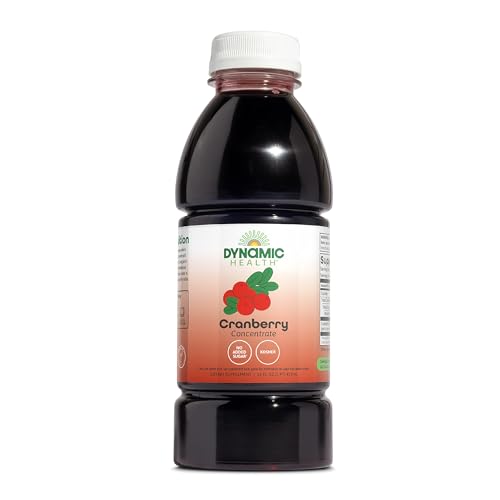
Dynamic Health
DYNAMIC HEALTH 100% Cranberry Juice Concentrate, 16…
- POTENT ANTIOXIDANT. Cranberries contain nutrients like vitamins C and E, plus the added power of the antioxidant quercetin. Antiox…
- COUNT ON CRANBERRY. You’ve probably heard that cranberries are great for urinary tract health. That’s because of proanthocyanidins…
- NO ADDED SUGAR. Our Cranberry Juice Concentrate is made without sweeteners or added sugar. It’s also Vegetarian, Gluten-Free, BPA-…
If you’re starting with a concentrated product, the best ways to consume cranberry juice often involve dilution, but for cooking, concentrate is a cheat code. A bottle of Dynamic Health 100% Cranberry Juice Concentrate gives you about 4,000 cranberries in 16 ounces, with no added sugar. That means you control the sweetness in every recipe, and a little goes a long way in a glaze or reduction.

Why Cranberry Juice Deserves a Spot in Your Pantry
Cranberry juice is essentially a fruit acid with a flavor profile that sits somewhere between tart cherry and unsweetened pomegranate. That acidity is the key. In cooking, acid brightens rich foods, cuts through fat, and balances salt. Cranberry juice does all that, plus it leaves a subtle fruity note that vinegar never will.
Think of it as a wine substitute that doesn’t require opening a bottle. When you deglaze a pan with cranberry juice instead of red wine, you get the same lift, but with more body and a hint of autumn. It also has a natural affinity for warming spices like cinnamon, clove, and star anise, which makes it a go-to for braises and roasts.
One thing to keep in mind: cranberry juice is not neutral. It has a distinct flavor that will come through in whatever you cook. That’s not a downside, but it means you should pair it with ingredients that like fruit—pork, chicken, root vegetables, hard cheeses, and dark leafy greens. Avoid using it in dishes where you want a clean, unadorned broth.
The Golden Rule: Choosing the Right Cranberry Juice for Cooking
Before you start cooking, check the label. Most cranberry juice sold in supermarkets is actually a cocktail, meaning it’s diluted with water and sweetened with high-fructose corn syrup or apple juice. For cooking, that’s a problem. The added sugar throws off the balance of savory recipes, and the diluted juice means you need twice as much to get the same flavor.
Look for 100% pure cranberry juice, often labeled as unsweetened. It will be tart, almost aggressively so, and it might have a thick texture if it includes pulp. That’s what you want. If you can only find sweetened juice, reduce the sugar in your recipe by a quarter and expect a milder, less complex result.
If you’re using a concentrate like the Dynamic Health bottle mentioned earlier, remember that it’s roughly four times stronger than regular juice. You’ll need to dilute it for most recipes unless you’re making a reduction or a syrup. A good starting ratio is one part concentrate to three parts water, but feel free to adjust based on the dish. For more detail on the difference, check out this cranberry juice vs cocktail guide.
Savory Mains and Marinades
This is where cranberry juice shines brightest. The tartness acts like a mild acid in a marinade, tenderizing meat without turning it mushy, and the natural sugars caramelize beautifully under high heat.
Glazed Pork Tenderloin with Cranberry Pan Sauce
Pork and cranberry are a classic pairing, and this recipe takes about 30 minutes from start to finish. Season a 1.5-pound pork tenderloin with salt, pepper, and a pinch of dried thyme. Sear it in a hot skillet with a tablespoon of oil until browned on all sides, about 8 minutes total. Transfer the pork to a plate.
Pour a cup of pure cranberry juice into the hot pan. It will hiss and bubble—that’s the flavor lifting off the bottom. Add a tablespoon of Dijon mustard, a sprig of rosemary, and a pat of butter. Scrape up the browned bits with a wooden spoon and let the sauce simmer for 5 minutes until it coats the back of a spoon. Return the pork to the pan, spoon the sauce over it, and finish in a 375°F oven for 10-12 minutes, or until the internal temperature hits 145°F.
The sauce will be glossy, slightly tart, and perfectly balanced by the butter’s richness. This works with chicken breasts too, though you’ll want to reduce the cooking time.
Balsamic-Cranberry Reduction for Roasted Vegetables
Roasted carrots, parsnips, and Brussels sprouts all benefit from a sticky, tangy glaze. Combine half a cup of cranberry juice with a quarter cup of balsamic vinegar and two tablespoons of honey in a small saucepan. Simmer over medium heat for 12-15 minutes until it reduces by half and turns syrupy.
Toss your vegetables in olive oil, salt, and pepper, then roast at 425°F until they’re caramelized at the edges. Drizzle the reduction over the top just before serving. The cranberry adds a brightness that cuts through the earthy sweetness of roasted roots, and the balsamic gives it a savory depth.
This reduction keeps in the fridge for up to two weeks, so make a double batch and use it on everything from grilled halloumi to a simple grain bowl.
Dressings, Sauces, and Condiments
You already know how to make a vinaigrette with lemon or red wine vinegar. Cranberry juice gives you a completely different result: a dressing that’s fruity, tart, and surprisingly good at standing up to strong flavors like blue cheese or grilled radicchio.
Cranberry Vinaigrette for Winter Salads
Whisk together a quarter cup of cranberry juice, two tablespoons of olive oil, one tablespoon of shallot, finely minced, and a teaspoon of maple syrup. Season with salt and pepper. That’s it. The dressing will be thin, so shake it in a jar before each use.
This pairs beautifully with a salad of arugula, shaved fennel, toasted walnuts, and shaved Parmesan. The cranberry’s acidity cuts through the nuts and cheese, and the fennel’s licorice note plays well with the fruit. If you want a creamier version, blend in a tablespoon of Greek yogurt or a spoonful of tahini.
Cranberry BBQ Sauce for Grilled Chicken
Most BBQ sauces rely on ketchup or tomato paste for their base. Swap in cranberry juice and you get a sauce that’s less sweet, more complex, and perfect for chicken or ribs. In a saucepan, combine one cup of cranberry juice, a quarter cup of apple cider vinegar, two tablespoons of brown sugar, one tablespoon of Worcestershire sauce, a teaspoon of smoked paprika, and a pinch of cayenne. Simmer for 20 minutes until thickened.
Brush this on chicken thighs during the last 10 minutes of grilling. The sugar will caramelize and char slightly, while the cranberry keeps the sauce from becoming cloying. This also works as a dipping sauce for roasted wings or as a glaze for baked tofu.
If you’re curious about substituting other citrus acids in your cooking, the same principles apply—check out this guide to cooking with lemon juice in oil for a related take on balancing acids.
Baking and Breakfast
Cranberry juice doesn’t just belong in savory dishes. Its tartness makes it a natural fit for baked goods, where it can replace part of the liquid and add a subtle pink tint and a tangy kick.
Cranberry Syrup for Pancakes and Oatmeal
This is a two-ingredient recipe that takes five minutes. Combine one cup of cranberry juice with a quarter cup of sugar in a small saucepan. Simmer until the liquid reduces by a third and coats a spoon, about 8 minutes. Let it cool slightly—it will thicken more as it sits.
Drizzle this over pancakes, waffles, or a bowl of steel-cut oats. It’s also excellent on vanilla ice cream or stirred into plain yogurt. The syrup keeps in the fridge for two weeks, so it’s an easy weekend batch project. If you want a deeper flavor, add a cinnamon stick or a strip of orange zest while it simmers, then strain it out.
Cranberry-Orange Quick Bread
Quick breads are forgiving, and cranberry juice adds both moisture and a pleasant tang. In a large bowl, whisk together two cups of flour, three-quarters cup of sugar, one teaspoon of baking powder, half a teaspoon of baking soda, and a pinch of salt. In another bowl, mix one cup of cranberry juice, a quarter cup of melted butter, one egg, and the zest of one orange.
Fold the wet ingredients into the dry until just combined—don’t overmix, or the bread will be tough. Pour the batter into a greased loaf pan and bake at 350°F for 50-55 minutes, or until a toothpick comes out clean. The juice gives the crumb a slight rosy hue, and the orange brightens the whole thing. This bread is best the day after baking, when the flavors have had time to meld.
Beyond the Glass: Frozen, Reduced, and Concentrated Forms
Cranberry juice is versatile in its liquid form, but you can push it further by changing its state. Reducing it concentrates the flavor and creates a pantry staple. Freezing it gives you a quick way to add a splash of tartness to sauces and stews all year round.
To make a cranberry reduction, simply simmer pure juice in a wide pan until it reduces by half or even three-quarters. The result is a thick, intensely tart syrup that you can use in place of pomegranate molasses. It’s fantastic in salad dressings, brushed over roasted squash, or stirred into a pan sauce for duck.
For freezing, pour leftover juice into ice cube trays. Once frozen, pop the cubes into a zip-top bag. Each cube is roughly two tablespoons of juice, which makes it easy to add a splash of acidity to a pan sauce or a braise without opening a new bottle. This is a practical way to use up that half-empty bottle from the party.
You can also make cranberry juice leather, though it’s a bit more involved. Reduce the juice until it’s very thick, spread it thin on a parchment-lined baking sheet, and dry it in a 170°F oven for several hours. The result is a chewy, tart snack that’s great chopped into granola or used as a garnish for cocktails.
Cocktails and Mocktails (The Easy Win)
Drinks are where most people start with cranberry juice, and for good reason. It’s a natural mixer that works with both spirits and sparkling water. But you can elevate the standard cranberry spritzer with a little technique.
A Simple Cranberry Shrub Base
A shrub is a drinking vinegar, and cranberry juice makes an excellent one. Combine one cup of cranberry juice, half a cup of apple cider vinegar, and a quarter cup of sugar in a jar. Shake until the sugar dissolves, then let it sit in the fridge for at least 24 hours. The result is a sweet-tart syrup that you can mix with sparkling water for a refreshing mocktail, or with gin or bourbon for a more complex cocktail.
The shrub keeps for up to a month in the fridge, and it’s a great way to use up a large bottle of juice. Start with a one-to-three ratio of shrub to sparkling water, then adjust to taste. Add a sprig of mint or a slice of citrus for a garnish that makes it feel special.
For smoothie ideas that pair well with cranberry, this guide to mixing fruits with cranberry juice covers the flavor combinations that work best.
Storage, Shelf Life, and Make-Ahead Tips
An opened bottle of pure cranberry juice will last about 7-10 days in the fridge. The exact time depends on how fresh it was when you opened it and how often you let it warm up on the counter. If you see any signs of fermentation—bubbles, a yeasty smell, or a slightly fizzy texture—it’s past its prime.
Unopened, a bottle of cranberry juice can sit in your pantry for months, but check the best-by date. Concentrate lasts even longer, up to a year or more, because the high acidity and low water content make it inhospitable to bacteria.
For cooked cranberry mixtures, the rules are simple. Reductions and syrups keep for two weeks in an airtight container. Marinades can be stored for up to three days before using. And any dish that includes cranberry juice—braises, glazes, sauces—will freeze well for up to three months. Thaw overnight in the fridge and reheat gently.
One practical tip: label everything with the date. Cranberry juice all looks the same, and there’s nothing worse than finding a mystery jar in the back of the fridge. A piece of masking tape and a marker takes two seconds.
Frequently Asked Questions (Acidity, Substitutions, and Sugar)
Can I use cranberry juice cocktail instead of pure juice in savory recipes?
You can, but you’ll need to adjust. Cocktail is about 25% juice and the rest is water and sugar. That means it’s less acidic and much sweeter. In a glaze or marinade, use half the amount of cocktail and skip any additional sugar in the recipe. The flavor will be milder and less complex, but it will still work in a pinch.
How do I balance cranberry juice’s tartness in cooking?
Fat is your best friend. Butter, olive oil, cream, or even a fatty cut of meat will smooth out the sharp edges. Salt also helps—it reduces the perception of sourness. If a sauce tastes too tart, whisk in a pat of butter or a splash of cream, then taste again. A tiny pinch of sugar can also help, but go slowly.
What can I substitute for cranberry juice in a recipe?
Pomegranate juice is the closest match in terms of acidity and color. Tart cherry juice works well too, though it’s a bit more floral. If you’re out of all fruit juices, mix a tablespoon of lemon juice with water and a teaspoon of honey—it won’t be the same, but it will provide the acid lift you need.
Does cranberry juice lose its health benefits when cooked?
Heat degrades some vitamin C, but the proanthocyanidins and antioxidants that get the most attention are more heat-stable. Boiling for 10-15 minutes won’t destroy them entirely. You’ll lose some nutritional value compared to drinking it raw, but you’re not cooking with it for the health benefits—you’re cooking for flavor.
How much sugar is in pure cranberry juice versus cocktail?
Pure, unsweetened cranberry juice has almost no sugar—about 2 grams per cup. Cranberry juice cocktail has around 30 grams per cup, mostly from added sweeteners. That difference matters in cooking, where the sugar will caramelize and affect browning. For savory dishes, always prefer the unsweetened version.
What You Can Do With This Tomorrow
- Buy a bottle of 100% pure cranberry juice, not cocktail. Check the label for added sugar or apple juice.
- Try the pork tenderloin glaze tonight. It’s fast, forgiving, and will convince you that cranberry juice belongs in savory cooking.
- Make a batch of cranberry reduction and keep it in the fridge. It’s the secret weapon for weeknight roasted vegetables.
- Freeze leftover juice in ice cube trays. You’ll always have a splash of acidity ready for pan sauces.
- Whisk up the cranberry vinaigrette for your next salad. It takes two minutes and beats any bottled dressing.
- If you buy a concentrate, dilute it three-to-one with water before using in most recipes, and remember that a little goes a long way.
- Label your homemade syrups and reductions with dates. Cranberry mixtures don’t last forever, but they’ll easily survive a few weeks in the fridge.


