How to Remove a Vitamix Blade Without the Special Tool
On this page 5 sections
Removing a Vitamix blade without the official tool is a common question among home blender users. Although the special wrench makes the job easier, you can still do it safely with everyday items if you understand the blade assembly and take proper precautions.
This guide covers quick safety checks, step-by-step removal methods, cleaning and reassembly, and when it’s best to seek professional help or replacement parts.
How to Remove a Vitamix Blade Without the Special Tool
| Step | What to do |
|---|---|
| Unplug the blender | Disconnect the power to prevent accidental starts |
| Remove the container | Take off the container from the motor base |
| Hold the blade assembly | Grip the blade assembly firmly with a towel |
| Twist the blade base | Turn counterclockwise to loosen the blade |
| Use tools if stuck | Try pliers or rubber grips if the blade won’t budge |
The blade assembly screws into the container base with a tight seal designed to prevent leaks. Over time, food residue or dried liquids may make it harder to unscrew. Using a firm grip with a towel or rubber gloves can improve traction. Avoid using excessive force that might damage the threads or blade housing.
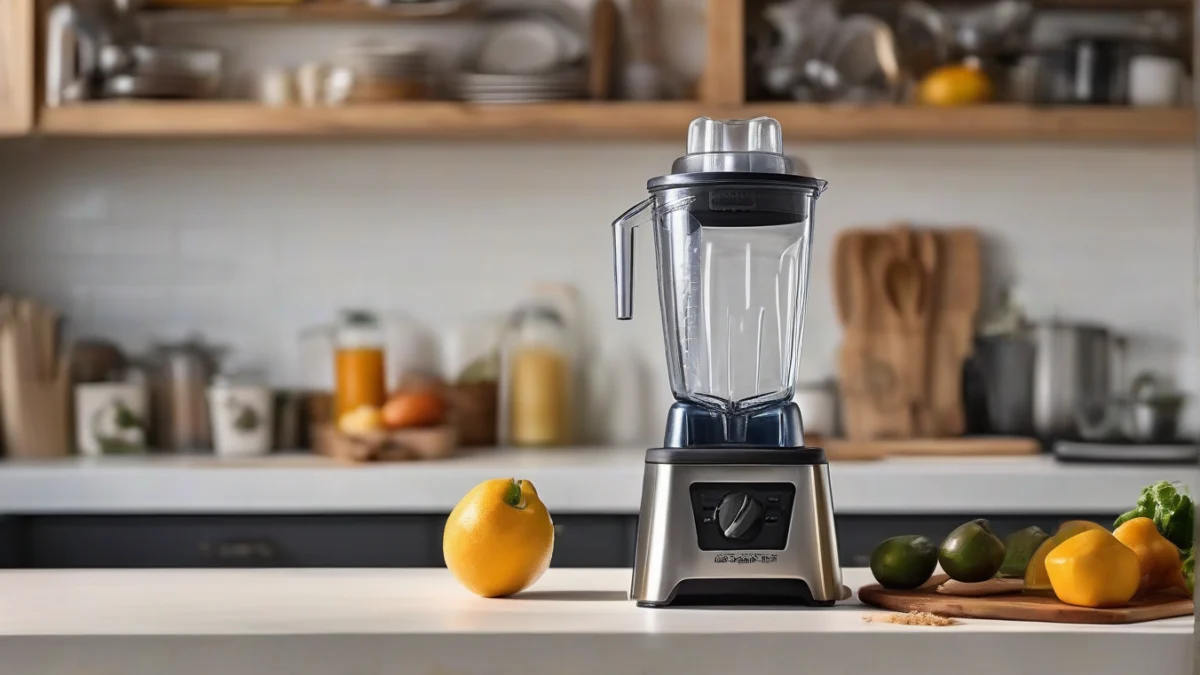
A jammed or locked-up blade often results from sticky residue, dried food, or overtightening. Applying a bit of warm water around the ring before trying again can soften buildup and make turning easier.

If the blade still won’t come off after careful attempts, it’s better to stop and consider using the official tool or contacting professional support. Forcing it can damage the container or blade assembly and increase risk of injury.
Remember, removing the blade without the proper tool requires patience and caution. If you feel resistance beyond steady pressure, pause to reassess rather than forcing the blade off.

What to Check Before You Try Removing the Vitamix Blade
Place the container on a stable surface to keep it from slipping while you work on the blade assembly.
Inspect the blade and container base carefully. Look for any cracks, chips, or warping that could make removal risky or damage the blender further.
Wear cut-resistant gloves to protect your hands. Vitamix blades are sharp and can cause serious cuts if you slip.
Check the gasket, or o-ring, for cracks or stiffness, and note any visible residue or buildup around the blade assembly. These can make the blade hard to turn or cause leaks.
Understand your particular Vitamix model’s blade assembly type. Some models have different retention ring styles or gasket materials that affect removal technique.
If your Vitamix blade is stuck, start by loosening the retention ring gently with firm, steady pressure rather than force. Excessive force risks damage.
Blades can feel hard to turn due to built-up residue, tightened gaskets, or occasional warping. Inspect and clean these parts before attempting removal again.
Cleaning and Reassembling the Vitamix Blade Assembly After Removal
Disassemble the parts carefully: the retention ring, blade, gasket, and container base separate for thorough cleaning.

Soak all parts in warm, soapy water to loosen debris. Use a soft brush to scrub the blades and threads gently without dulling the sharp edges.
Inspect the gasket for any damage such as cracks or hardening. Replace it if you see wear because a compromised gasket won’t seal properly.
When reassembling, thread the retention ring back by hand clockwise. Avoid tools that can overtighten and stress the parts.
Overtightening isn’t necessary; the gasket creates the seal, not extreme torque. Firm hand-tightening is usually enough for a secure fit.
Applying a small amount of food-grade lubricant to the gasket can help it seat smoothly and make future removals easier.
To tighten the Vitamix blade assembly correctly, rely on hand pressure and listen for a snug fit rather than forcing it.
Vitamix blades can dull over time with heavy use. If you notice blending performance dropping, consider sharpening or replacing them following safe procedures like those in how to sharpen Vitamix blades at home.
 Home Juicing Starter KitMake fresh juice that tastes good, costs less and keeps safely: 40 recipes with exact amounts, a yield chart and a 4-week plan.40 juice, smoothie and shot recipesYield, storage and food-safety chartsCost, yield and shopping-list calculator (Excel)
When to Contact Vitamix Support or Replace Your Blender Parts
Removing Vitamix blades yourself may void your warranty. Check your warranty terms before attempting any blade removal to avoid losing coverage if something goes wrong.
If your blade is stuck and won’t budge despite careful efforts, or if you notice cracks in the container, it’s time to contact Vitamix support. Trying to force removal can damage the blender or cause injury.
Official Vitamix removal tools are designed to protect your blender’s parts and your hands. Using makeshift methods repeatedly can wear down the retention ring or blade assembly, risking leaks or broken components.
For older or heavily used blenders, replacing the entire container might be more cost-effective than repairing individual parts. Cracks or persistent leaks often mean the container’s integrity is compromised.
Buying a new blade assembly or gasket can restore your blender’s performance if the blades have dulled or the gasket is worn. Regular inspection can help you spot when these replacements are needed—blades typically last several years but may dull depending on use and maintenance.