
What Is Dill Tea and Why Drink It?
You know that heavy, stuck feeling after a big meal? The one where your stomach feels like a brick and you regret the second helping? Dill tea is the old-world answer to that problem. It is a simple herbal infusion made from either the feathery leaves or the dried seeds of the dill plant. People have used it for centuries to settle the stomach, ease bloating, and calm the gut.
This guide covers the whole process. You will learn the exact differences between using fresh leaves, dried seeds, and ground powder. You will get a master recipe with precise steeping times and water temperatures. We will also cover the science behind why it works, who should avoid it, and how to make a cold-brew version for hot days. You will walk away knowing exactly how to make dill tea that actually helps, not just a cup of hot flavored water.
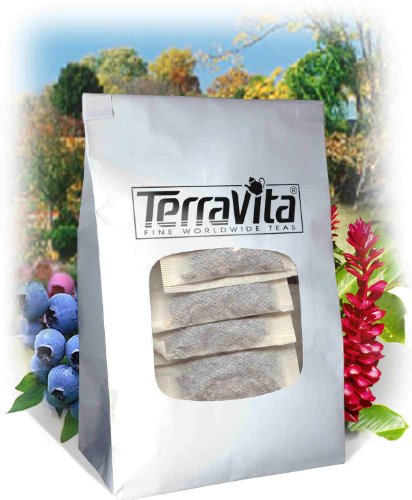
Terravita
Dill Seed Tea (25 tea bags, ZIN:…
- Dill Seed Tea (25 tea bags, ZIN: 518593)
- No fillers.
- Manufacturer: TerraVita
Most advice online is vague. They say use one teaspoon of seeds and hot water. That leaves you guessing. This article gives you the specific numbers and the reasoning behind them.
If you prefer convenience over measuring spoons, a quality tea bag product like TerraVita Dill Seed Tea (25 bags) removes the guesswork. Each bag is pre-measured and packed without fillers, which means a consistent cup every time. It is a practical backup for weeknights when you do not feel like digging out the strainer.
Fresh Dill vs. Dill Seeds vs. Dill Powder: Which to Use?
This is the first fork in the road. The answer depends on what you have in the kitchen and what symptom you are treating.
Fresh dill leaves are the mildest option. They taste bright and slightly sweet, almost like a mix of fennel and parsley. They work well for gentle daily digestion and for people who find seed tea too strong. The downside is that the volatile oils in fresh leaves degrade quickly. You must use them within a day or two of picking, and the tea will be weaker than seed tea.
Dried dill seeds are the workhorse. They contain a higher concentration of the carminative compounds—the ones that relax the intestinal muscles and push out trapped gas. Seeds are also stable for years if stored in a cool, dark jar. For most digestive complaints, seeds are the better choice. They produce a stronger, more effective tea.
Dill powder (ground seeds) is the most potent but the trickiest. Because the surface area is huge, it releases compounds almost instantly. That sounds good, but it also means you can easily overdo it. The tea turns bitter and can irritate the stomach lining if you use too much powder. Use powder only when you need a quick hit of relief and you measure carefully.
Here is the honest trade-off: fresh leaves taste best but work least. Seeds taste earthy but work best. Powder works fastest but tastes worst. Choose based on your priority.
How to Make Dill Tea (The Master Recipe)
The base method is the same for all forms. Heat water, add plant material, steep, strain, drink. The differences are in the amounts and the timing.
Step-by-Step Instructions for Fresh Dill Leaves
- Rinse a handful of fresh dill leaves (about 10 to 12 grams) under cold water.
- Roughly chop the leaves to release the oils. Do not mince them into a paste.
- Bring 250 ml (one cup) of water to 90°C (about 195°F). That is just below a rolling boil.
- Put the chopped dill in a mug and pour the hot water over it.
- Steep for 5 to 7 minutes. Longer than 8 minutes brings out a grassy, bitter note.
- Strain and drink warm. You can add a squeeze of lemon to brighten the flavor.
Fresh leaf tea is light. Do not expect a strong medicinal taste. Expect something closer to a delicate green tea.
Step-by-Step Instructions for Dried Dill Seeds
- Measure one teaspoon of dried dill seeds. That is roughly 2 grams. Do not heap the spoon.
- Lightly crush the seeds with the back of a spoon or a mortar and pestle. This step matters—whole seeds release less oil into the water.
- Bring 250 ml of water to a full boil (100°C). Seeds need the hotter water to extract properly.
- Pour the boiling water over the crushed seeds in a teapot or mug.
- Steep for 10 minutes. Set a timer. The tea will look pale yellow when ready.
- Strain through a fine mesh strainer or a tea filter. Seed fragments are unpleasant to chew.
Do not throw away the used seeds after the first cup. They can be re-steeped once. The second cup will be weaker—maybe 50% of the strength—but it still helps with mild bloating. Just add fresh boiling water and steep for 15 minutes instead of 10.
The Cold-Brew Iced Dill Tea Method
Hot tea is not always what you want in July. Cold-brewing dill tea is a different process that yields a smoother, less bitter drink. It works best with seeds.
- Crush two teaspoons of dill seeds (about 4 grams).
- Place them in a large jar or pitcher.
- Add 500 ml (two cups) of cold, filtered water.
- Cover and refrigerate for 12 hours. Overnight is ideal.
- Strain out the seeds and serve over ice.
The cold water extracts the aromatic compounds slowly, which leaves out many of the bitter tannins. The result tastes almost like a mild, savory iced tea. Add a slice of cucumber if you want a spa-like twist. It is refreshing and still delivers the digestive benefits, just slightly less potent than a hot brew.
Dill Tea Benefits: What the Science Says
Most people assume dill tea is just folk medicine. The evidence is thin but real. The active compounds are the volatile oils—carvone, limonene, and myrcene—plus flavonoids that act as antioxidants.
The main benefit is carminative action. That means it helps expel gas from the digestive tract. The oils relax the smooth muscle lining of the intestines, which reduces cramping and allows trapped gas to move. If you feel bloated after a heavy meal, a cup of seed tea often provides relief within 20 to 30 minutes.
There is also some evidence for anti-inflammatory properties. A 2026 study on rats showed that dill extracts reduced markers of gastric inflammation. Human data is scarce, but the mechanism is plausible. The flavonoids in dill scavenge free radicals, which reduces oxidative stress in the gut lining.
People also use dill tea for menstrual cramps. The muscle-relaxing effect that helps the intestines works on the uterus too. Some women report that a warm cup of seed tea eases lower abdominal pain during the first days of their period. It is not a replacement for ibuprofen, but it is a decent natural adjunct.
Bad breath is another traditional use. Chewing a few seeds after a garlic-heavy meal works better than the tea because the chewing releases the oils directly into the mouth. The tea is too diluted to have much effect on halitosis.
One more note: dill tea is not a sleep aid. Some websites lump it with chamomile tea for insomnia. That is wrong. Dill contains no sedative compounds. If you drink it before bed, you might sleep better simply because your stomach is calmer, but do not expect drowsiness.
Dill Tea Side Effects and Who Should Avoid It
Dill tea is generally safe for most adults. But there are real exceptions, and some of them are serious.
Pregnancy is the big one. Dill, especially the seeds, acts as a uterine stimulant. In large doses, it can trigger contractions. Traditional midwives used dill seed tea to induce labor in overdue pregnancies. If you are pregnant, do not drink dill tea in medicinal amounts. A small amount used as a culinary seasoning in food is fine. A cup of strong seed tea is not. This is not a theoretical risk; the uterine stimulant effect is documented in herbal medicine texts.
Blood pressure medication interaction. Dill has mild diuretic properties. It can lower blood pressure slightly. If you take blood pressure medication, combining it with dill tea could push your pressure too low. Symptoms include dizziness, lightheadedness, and fainting. If you are on antihypertensive drugs, either skip dill tea or monitor your pressure closely.
Diuretic medications. The same logic applies to prescription diuretics (water pills) like furosemide or hydrochlorothiazide. Dill tea adds to the fluid loss. This can lead to dehydration and electrolyte imbalance, particularly low potassium. If you take diuretics, limit dill tea to one cup per day and drink extra water.
Allergy warning. Dill is in the Apiaceae family, which includes carrots, celery, and fennel. If you have allergies to any of those, you may react to dill. Symptoms range from mild mouth itching to full anaphylaxis. Try a tiny sip first if you have known sensitivities.
There is no evidence that dill tea is harmful to the liver or kidneys in normal amounts. The risk profile is mostly about pregnancy and drug interactions, not organ toxicity.
Dill Tea Dosage: How Much Is Safe Per Day?
The honest answer is that there is no official clinical dosage for dill tea. But we can set sensible limits based on traditional use and the known pharmacology of its oils.
For dried seeds, stick to 2 to 4 grams per day. That is about 1 to 2 teaspoons. Split it into two cups if you want morning and evening doses. Do not exceed 6 grams in a day—that is where the risk of uterine stimulation or excessive diuresis starts to climb.
For fresh leaves, you have more leeway. Leaves are much less concentrated. You can safely use 10 to 15 grams (a generous handful) per cup, and up to three cups daily. The mildness of leaves means you are unlikely to hit a toxic threshold.
For powder, be strict. Use half a teaspoon (about 1 gram) per cup, and max one cup per day. Powder is the most concentrated form, and it is easy to accidentally take too much. The bitterness is a natural warning sign—if it tastes harsh, you have used too much.
Here is a rough comparison table for quick reference:
| Form | Amount per cup | Steep time | Water temp | Max per day |
|---|---|---|---|---|
| Fresh leaves | 10–12 g (handful) | 5–7 min | 90°C (195°F) | 3 cups |
| Dried seeds | 2 g (1 tsp) | 10 min | 100°C (boiling) | 2 cups |
| Ground powder | 1 g (½ tsp) | 5 min | 100°C (boiling) | 1 cup |
| Cold-brew seeds | 4 g (2 tsp) per 500 ml | 12 hours | Cold | 2 cups |
If you are using a pre-packaged product like the TerraVita dill seed tea bags, follow the steeping instructions on the box. Most commercial bags contain roughly 1.5 to 2 grams of seed material, which fits within the safe daily range.
Flavor Pairings and Add-Ins for Better Taste
Dill tea is not for everyone straight up. The seed version has a savory, almost caraway-like flavor that some people find off-putting. Here is how to fix that without killing the benefits.
- Lemon juice (half a lemon): Cuts the earthy bitterness and adds vitamin C. It also helps mask the grassy note in fresh leaf tea.
- Raw honey (1 teaspoon): Smooths the rough edges. Do not add honey to boiling water—wait until the tea cools to about 60°C to preserve the enzymes.
- Fresh ginger (3–4 thin slices): Pairs well for nausea. Ginger and dill both target the digestive tract, so they work synergistically.
- Mint leaves (5–6 leaves): Brightens the flavor profile. Mint adds its own carminative effect, making this a double-strength gas-relief combo.
- Cinnamon stick (1 small piece): Adds warmth and sweetness without sugar. Cinnamon also helps regulate blood sugar, which is a nice bonus after a carb-heavy meal.
One combination to avoid: dill with strong black tea. The tannins in black tea clash with dill’s savory oils, producing a muddy, unpleasant taste. Stick to plain water as the base.
How to Harvest and Dry Your Own Dill for Tea
Growing your own dill is easy, and harvesting at the right time makes a huge difference in tea quality.
For leaves: Harvest just before the plant flowers. Once the yellow flower umbels appear, the leaves turn tough and lose most of their aromatic oils. Cut the feathery fronds in the morning after the dew dries—that is when the oil content is highest. Wash them, pat dry, and use fresh. To dry, hang small bunches upside down in a dark, dry, well-ventilated room for about a week. Crumble the dried leaves into a jar and store away from light.
For seeds: You must wait longer. Let the flowers mature and form seed heads. Harvest when the seeds turn brown but before they start falling off naturally. Cut the entire seed head and place it in a paper bag. Hang the bag upside down in a dry place. In two weeks, the seeds will have dropped to the bottom of the bag. Sift out the chaff and store the seeds in an airtight glass jar. They will keep their potency for up to three years.
One mistake beginners make is harvesting seeds too early. Green seeds have a bitter, grassy flavor and do not contain the full concentration of carvone. Wait for that brown color. It is worth the patience.
Frequently Asked Questions
Can I drink dill tea every day?
Yes, within the dosage limits above. One or two cups of seed tea daily is safe for most healthy adults. The concern is only if you exceed 6 grams of seeds per day or if you are pregnant. Daily use for a week or two is fine for a digestive issue. For long-term daily use, consider alternating with fennel tea or peppermint tea to avoid developing a tolerance.
Does dill tea break a fast?
Technically, yes. Dill seeds contain a small amount of calories and carbohydrates, and they trigger a mild digestive response. If you are fasting for strict blood sugar control or autophagy, the tea will break the fast. If you are fasting for weight loss or simple calorie restriction, the negligible calories (under 5 per cup) will not matter. It is a judgment call based on your fasting goals.
Can I use dill pickle juice instead of dill tea?
No. Pickle juice contains vinegar, salt, and often sugar. The vinegar can worsen acid reflux, and the sodium load is counterproductive for bloating. The dill flavor in pickle juice is mostly from the spice mix, not from a therapeutic concentration of dill oils. If you want the digestive benefit, make the tea. Pickle juice is not a substitute.
Why does my dill tea taste bitter?
Three reasons. You over-steeped it (more than 12 minutes for seeds). You used water that was too hot for fresh leaves (above 90°C). Or you used too much powder. The fix is simple: shorten the steep time, lower the water temperature for leaves, or reduce the amount of powder. Bitterness is a sign of over-extraction, not a sign that the tea is stronger.
Can dill tea help with acid reflux?
It depends on the cause. If your reflux is from gas pressure pushing stomach contents up, dill tea may help by reducing the gas. If your reflux is from a weak lower esophageal sphincter or excessive stomach acid, dill tea will not help and might make it worse because the warm liquid relaxes the sphincter further. The honest answer is that dill tea is better for bloating and cramping than for heartburn. Try it once; if your symptoms worsen, avoid it.
The Bottom Line
Dill tea is a practical, affordable digestive remedy that works. It is not a miracle cure, but it reliably eases bloating, gas, and mild cramping for most people. The key is using the right form and the right dose.
- Use dried seeds for the strongest digestive effect; use fresh leaves for a milder daily cup.
- Crush seeds before steeping to release the oils—this doubles the potency.
- Steep seeds for 10 minutes at a full boil; do not rush it.
- Re-steep your used seeds once for a lighter second cup.
- Skip dill tea if you are pregnant or taking blood pressure or diuretic medications.
- Cold-brew seeds overnight for a smooth, non-bitter iced version.
- Add lemon and honey to mask the earthy flavor, but avoid black tea as a base.
For a no-fuss option, a box of TerraVita dill seed tea bags is a solid choice—just check the current price on Amazon if you want to stock up. Otherwise, a jar of whole seeds and a teapot are all you need.


