How to Make Fresh Apple Juice at Home – 3 Easy Methods
On this page 6 sections
Making apple juice at home is easier than many think and lets you control freshness and flavor. You’ll avoid added sugars and preservatives common in store-bought juice.
Many believe fresh apple juice always requires expensive juicers, but that’s only half true. You can also use a blender or simmer apple scraps for delicious juice without special equipment.
How to Make Apple Juice at Home Using 3 Easy Methods
You can make fresh apple juice at home in about 15 to 45 minutes using three simple methods: blending, cold press juicing, or boiling apple scraps. Each method yields about 4 cups (1 quart) of juice ready to drink or store.

Start by washing 4 to 6 medium apples thoroughly to remove dirt and pesticides. Core and chop them into pieces small enough for your chosen method.
Blender Method
This method takes about 15 minutes and gives you a juice with some pulp, which contains fiber.
Cold Press Juicer Method
Cold press juicing takes about 20 to 30 minutes and produces clear juice with minimal pulp and maximum nutrients.
Boiled Apple Scrap Method
This method takes about 40 to 45 minutes and yields a milder, cooked apple juice, ideal for using scraps rather than fresh fruit.

Which Apples and Ingredients Work Best for Fresh Apple Juice
Choose apples with good balance of sweetness and tartness for the best fresh juice flavor. Popular juicing varieties include Fuji, Gala, Honeycrisp, and Granny Smith. Each offers a distinct taste: Fuji and Gala are sweeter, Honeycrisp adds crisp acidity, and Granny Smith brings tartness and brightness.

Organic apples are preferable if you want to reduce pesticide exposure, but conventional apples are safe when washed well. The skin carries much of the fiber and nutrients, so keep it on unless you have a blender that can handle it or prefer clearer juice.
Basic apple juice ingredients are just fresh apples and water if needed to adjust consistency. Adding lemon juice helps preserve color and adds brightness. For a flavor boost, cinnamon or ginger work well and add antioxidant benefits without sugar.
Easy apple juice recipes keep it simple: core and chop 3 to 4 medium apples, blend or juice, strain if desired, add a splash of lemon juice, and serve chilled. Adding a small amount of water can soften very thick juice.
How to Store Fresh Apple Juice and How Long It Lasts
Fresh homemade apple juice should be refrigerated immediately and consumed within 48 hours for best taste and safety. Juice made by blending or cold pressing lasts about 1 to 2 days in the fridge. Boiled apple juice may keep a bit longer, up to 3 days, due to heat treatment.
Use airtight glass containers for storage. Glass limits oxygen exposure, which causes browning and flavor loss. Avoid plastic containers that can absorb odors and flavors.
Unpasteurized juice carries a higher risk of bacterial growth, so don’t leave it at room temperature and consume it quickly. Pasteurizing homemade juice by heating it gently can extend shelf life but changes the flavor slightly.
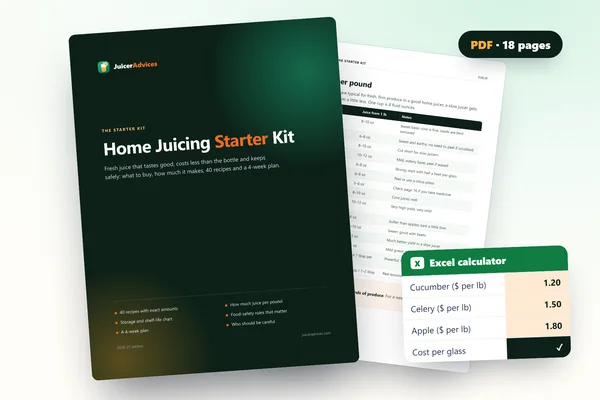 Home Juicing Starter KitMake fresh juice that tastes good, costs less and keeps safely: 40 recipes with exact amounts, a yield chart and a 4-week plan.40 juice, smoothie and shot recipesYield, storage and food-safety chartsCost, yield and shopping-list calculator (Excel)
Apple Juice Variations for Health Needs and Taste
You can adjust fresh apple juice to suit your health needs and taste by swapping or diluting ingredients to lower sugar, soothe a sensitive stomach, or protect kidney health. Making apple juice with added sugar is unnecessary since ripe apples contain natural sugars that provide sweetness. Simply blend or juice fresh apples, strain if needed, and enjoy. This natural apple juice contains only the sugars and nutrients in the fruit itself.
To reduce sugar, dilute your apple juice with water or unsweetened sparkling water — about half juice, half water keeps flavor but cuts sugar roughly in half. You can also blend in lower-sugar fruits like berries or vegetables such as cucumber, which add volume and nutrients without raising sugar levels much. Avoid adding honey or sugar syrups if lowering sugar is your goal.
If you have reflux or a sensitive stomach, choose milder apple varieties like Fuji or Gala, which are less acidic. Adding a pinch of baking soda to a glass can neutralize some acidity. You might also combine apple juice with soothing ingredients such as aloe vera juice or chamomile tea, diluting the juice to reduce irritation. Avoid citrus or very tart apples that may worsen symptoms.
For kidney-friendly apple juice, especially if you need to limit potassium, dilute the juice with water and avoid adding potassium-rich ingredients like banana or spinach. Using peeled apples rather than whole can slightly reduce potassium content. If you follow a kidney diet, check with your dietitian before adding any extras.
Common Mistakes That Ruin Homemade Apple Juice
A common mistake when making apple juice is not washing apples thoroughly. Dirt, pesticides, or bacteria on the skin can spoil the juice or cause stomach upset. Always rinse apples under running water before juicing or blending.
Skipping coring or straining can leave bits of seeds and tough fibers in your juice. Apple seeds contain small amounts of cyanide compounds that are best avoided, and the texture may be unpleasant. Remove cores and strain juice through a fine sieve or cloth for smoothness and safety.
Using unclean equipment spreads bacteria and can make juice spoil faster or cause illness. Clean juicers, blenders, knives, and containers well before and after use to keep juice fresh and safe.
When boiling apple scraps for juice or cider, overcooking breaks down flavor and nutrients, while under-boiling may not extract enough juice or kill bacteria. Simmer scraps gently for about 20 to 30 minutes until soft but not burnt.