Wheatgrass juice looks simple. You take grass, you squeeze it, you drink it. But the gap between an amateur’s first attempt and someone who does this daily is huge. The difference isn’t the grass. It’s the habits.

Why Most First Attempts Fail
Amateurs usually grab a handful of wheatgrass and shove it into a centrifugal juicer. The result is a trickle of green liquid, a pile of wet pulp, and a machine that smells like a lawnmower for a week.

Luzrise
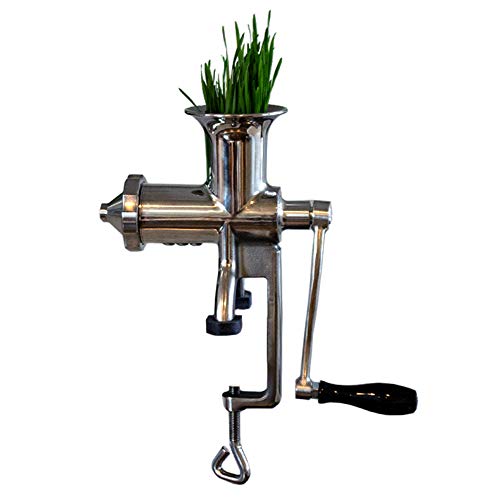
Luzrise Manual Wheatgrass Juicer & Fruit Press,…
- [GET NUTRITION FORM VARIOUS MATERIALS] - MANUAL JUICER is suitable for wheatgrass, celery, kale, spinach, parsley, pomegranate, ap…
- [FOOD GRADE STAINLESS STEEL] - WHEATGRASS JUICER is made of high-quality 304 stainless steel, and the surface has been polished wi…
- [COUNTERTOP CLAMP DESIGN] - The squeezer can be fixed to different thicknesses of tables by adjusting the screws on the bottom. Yo…
Professionals know that wheatgrass is fibrous and tough. It needs slow pressure, not high-speed blades. That’s why a cold press juicer works better for leafy greens than a centrifugal model.
The second mistake is skipping prep. Amateurs don’t wash the grass thoroughly or cut it into small enough pieces. Professionals do both, every time.
The Professional Workflow
Here’s how someone who juices wheatgrass for a living approaches it. They start with fresh, deep green grass, usually about 7-10 days old. They rinse it in cold water to remove dirt and any residue.
Then they cut the grass into small bundles, about 2-3 inches long. This isn’t fussy behavior. It prevents the fibers from tangling around the auger or clogging the chute.
They feed the grass slowly, a handful at a time. No cramming. The machine does the work, but the operator controls the pace.
Professional habit worth adopting today: juice in small batches and pause between handfuls. This lets the pulp eject cleanly and keeps the yield high. It takes an extra minute, but you get noticeably more juice.
What You Should NOT Copy
Some professional shortcuts are bad ideas for home users. For instance, pros often skip cleaning the machine between batches because they’re processing dozens of pounds. You should not do that. Wash every part after each use.
Another shortcut: pros sometimes use the pulp for compost or discard it without a second thought. That’s fine, but you might prefer to save the pulp for baking or smoothies. That’s a personal choice, not a professional rule.
Also, don’t copy the way pros sometimes drink shots straight from the juicer without straining. If you prefer a smoother texture, strain it. The pro’s habit saves time, but it’s not a health requirement.
Choosing the Right Tool
Centrifugal juicers struggle with wheatgrass. They spin fast, create heat, and oxidize the juice quickly. That reduces the enzyme activity and nutrient content you’re after.
A manual press or a masticating juicer is better. The best juicer for maximum juice extraction uses slow pressure to crush the grass and squeeze out every drop.
The Luzrise Manual Wheatgrass Juicer & Fruit Press is a solid option. It’s made of 304 stainless steel, which resists corrosion and cleans up easily. You clamp it to your countertop, and the handle gives you full control over pressure.
One caveat: it’s manual, so your arm gets a workout. That’s not a bad thing, but it’s worth knowing before you buy.
What This Juicer Handles Well
- Wheatgrass, celery, kale, spinach, parsley
- Pomegranate, apple, grape, orange (cut into small pieces)
- Not suitable for carrot, mango, banana, tomato, or sugarcane
That last point matters. Don’t try to juice a carrot in this machine. It’s not designed for hard roots. Stick to leafy greens and soft fruits.
Key Features and Limits
- Food-grade 304 stainless steel with a mirror finish
- Disassembles into small parts for deep cleaning
- Clamp fits tables up to 5.5 cm (2.1 inches) thick
- Cut apples or pears into 2 cm (0.8 inch) pieces first
- Peel anything with a hard wrapper
The clamp design is clever. You screw it onto the table edge, and the machine stays put. Just make sure you leave enough room for the handle to rotate. A cramped countertop will frustrate you.
Step-by-Step: Juicing Wheatgrass Like a Pro
Follow this sequence, and you’ll get more juice and less mess.
- Wash the grass in cold water. Shake off excess moisture.
- Cut the grass into bundles that fit your juicer’s chute. For the Luzrise, that means pieces around 2 cm.
- Assemble the juicer and clamp it to a stable table. Tighten the screws firmly.
- Feed a small handful of grass into the chute.
- Turn the handle slowly and steadily. Don’t rush.
- Pause after each handful to let the pulp eject.
- Collect the juice in a glass or bowl.
- Drink immediately for the freshest taste and highest nutrient content.
That’s it. No magic. Just patience and the right motion.
Common Mistakes and Fixes
Mistake: Juice comes out brown. That’s oxidation. It happens when the juice sits too long or when the juicer generates heat. Drink it right away, and store any leftovers in an airtight container in the fridge.
Mistake: The pulp is wet. That means you’re feeding too much at once. Slow down. Small amounts give the press time to squeeze thoroughly.
Mistake: The machine clogs. Check your prep. Are the pieces too big? Did you include stems? Cut them smaller, and remove any tough stalks.
Mistake: The handle sticks. That happens with hard fruits or too much fiber. Stop, clear the chute, and start again with less material.
Nutritional Payoff
Wheatgrass juice is rich in chlorophyll, vitamins A, C, and E, plus iron and magnesium. The benefits are real, but they depend on fresh juice. Bottled wheatgrass from the store is often pasteurized, which kills many of the active enzymes.
Making it at home gives you control. You know exactly what’s in the glass, and you drink it within minutes of extraction. That’s the whole point.
If you’re juicing for kids or for weight loss, the same principles apply. Fresh, cold-pressed juice beats anything from a carton. For a deeper look at how cold pressing preserves nutrients, check this cold press juicer for maximum nutrients guide.
Cleaning: The Part Nobody Skips (Professionally)
Pro juicers clean their equipment immediately after use. They don’t let pulp dry onto the metal. You shouldn’t either.
Disassemble the Luzrise into its parts. Rinse each piece under warm water. Use a small brush for the mesh screen. Dry everything before you reassemble it.
It takes five minutes. It saves you from scrubbing hardened pulp later.
Is a Manual Juicer Worth It?
Yes, for wheatgrass specifically. Manual presses extract more juice from fibrous greens than electric centrifugal models. They also operate at low speed, which means less heat and less oxidation.
The trade-off is effort. Your arm will get tired. But the juice quality is worth it for many people.
If you’re also juicing hard vegetables like carrots or beets, you’ll want an electric masticating juicer. The Luzrise won’t handle those. It’s a specialist tool, not a generalist.
Final Thoughts
Juicing wheatgrass well comes down to three things: fresh grass, slow pressure, and small batches. The professional habits—washing thoroughly, cutting small, feeding slowly—are easy to copy and make a real difference.
One habit you should adopt today: pause between handfuls. It feels inefficient, but it maximizes yield and prevents clogs. Try it on your next batch.
And if you’re shopping for a press, check the current price of the Luzrise manual wheatgrass juicer on Amazon. It’s a durable, stainless steel option that does exactly what it’s designed for.
Wheatgrass juice won’t cure everything, but it’s a solid addition to a healthy routine. With the right technique and tool, you’ll get more out of every handful.
Frequently Asked Questions
Can I use a blender to juice wheatgrass?
You can, but you’ll need to strain the pulp through a nut milk bag or cheesecloth. The result is less juice and more mess. A dedicated juicer is more efficient.
How much wheatgrass should I drink daily?
Most people start with a 1-2 ounce shot. That’s about a handful of grass. Listen to your body; some people feel nauseous on an empty stomach.
Is wheatgrass juice safe for everyone?
Mostly, but if you’re pregnant, have a grass allergy, or take blood-thinning medication, talk to your doctor first. Wheatgrass is a food, not a medicine, but it’s potent.
How do I store leftover wheatgrass juice?
In an airtight glass container in the fridge. Drink it within 24 hours. The color will fade, but that’s normal. Shake before drinking.
Why does my wheatgrass juice taste bitter?
Oxidation. The longer juice sits, the more bitter it becomes. Drink it immediately, or add a slice of lemon or apple to improve the flavor.