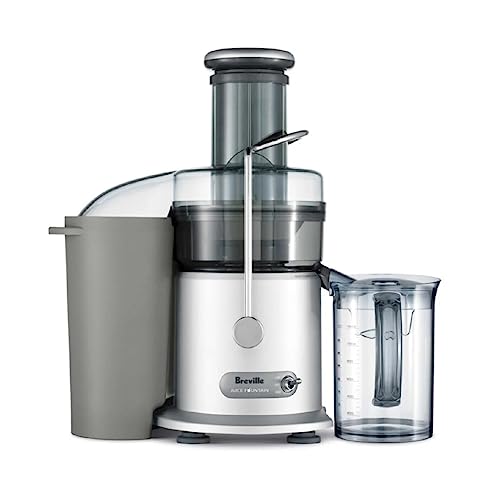
Pomegranates are stubborn. They stain everything, they resist pressure, and their seeds hide a bitter white pith. But a Breville juicer can handle them in seconds. The trick is knowing exactly when to press go.

When to Juice: The Season Window
Pomegranates peak from October through January. That is the only time you should bother. Off-season fruit is dry, pale, and yields almost nothing.
You want fruit that feels heavy for its size. Heavy means juice inside. The skin should be tight and leathery, not cracked. Cracks let air in and dry out the arils.
Skip any pomegranate that sounds hollow when you tap it. That sound means the seeds have shrunk away from the rind. You will get a glass of bitter juice and a lot of frustration.
The Prep Timing: Do It Right Before Juicing
Do not cut a pomegranate open and leave it sitting. The exposed arils oxidize fast. They lose color and flavor within an hour.
Prep your fruit right before you run the juicer. Here is the fastest method:
- Roll the pomegranate on the counter with firm palm pressure. This loosens the arils from the membrane.
- Cut the crown off with a sharp knife.
- Score the rind along the natural ridges, about six lines.
- Snap the fruit open over a deep bowl. The sections should fall apart easily.
- Pick out any large pieces of white pith. Small bits are fine, but big chunks add bitterness.
Do not bother separating every single aril by hand. That takes forever. Just knock the seeds loose with your thumbs and let the juicer do the rest.
Juicing Timing: Feed Slowly, Not All At Once
Start your Breville juicer and let it spin up to full speed. Feed the arils through the chute in a slow, steady stream. Do not dump a cup of seeds in at once.
Overloading the chute stalls the auger and pushes pulp through before it is fully extracted. You get less juice and more foam. Slow feeding gives the machine time to crush every seed completely.
Use the pusher. Never stick your fingers or a spoon down the chute while the machine runs. The pusher is there for a reason.
One medium pomegranate yields about half a cup of juice. A large one gives you three-quarters of a cup. Buy extra if you need a full glass.
When It Is Already Too Late
If the pomegranate feels soft or mushy anywhere on the rind, it is past its prime. The inside will be brown and fermented. Do not juice it.
If the arils look dull and brownish instead of bright ruby red, the fruit is old. Fresh arils are translucent and jewel-like. Dull ones taste flat.
If you already cut one open and found dry, pale seeds, stop. Nothing you do will fix it. Toss it and pick a heavier fruit next time.
The One Time Conventional Advice Is Wrong
Everyone says to refrigerate pomegranates. That is true for long-term storage. But cold fruit is harder to juice.
Cold arils are firmer and more rigid. They roll around in the juicer chute instead of getting caught by the auger. You end up with half-crushed seeds and splatters.
Let your pomegranate sit on the counter for an hour before juicing. Room temperature arils crush cleanly and release more juice. The flavor is identical, but the yield is noticeably better.
This one change made the biggest difference in my own kitchen. Cold fruit gave me thin, watery results. Warm fruit gave me deep red juice with real body.
Cleaning Timing: Do It Immediately
Pomegranate juice stains like a crime scene. The red pigment bonds to plastic and metal within minutes.
Rinse the juicer parts right after you pour the juice. Do not let them sit in the sink. Dried pomegranate pulp is stubborn and requires scrubbing.
Disassemble the Breville and rinse each piece under warm running water. Use the cleaning brush that came with the machine. Pay special attention to the mesh filter basket.
If you wait until later, you will be scrubbing red stains for twenty minutes. Do it now and it takes two.
For the counter, wipe spills immediately with a damp cloth. Pomegranate juice etches into granite and laminate if left to dry.
Comparing Methods: Breville vs Manual Press
Your Breville is not the only tool for this job. A manual citrus press works too, but with different timing and effort.
| Factor | Breville Electric Juicer | Zulay Kitchen Cast Iron Juicer |
|---|---|---|
| Prep needed | Remove arils from rind | Cut fruit in half only |
| Time per fruit | About 60 seconds | About 30 seconds |
| Effort required | Minimal, machine does the work | Manual lever press, but serious mechanical advantage |
| Yield from pomegranate | High, extracts every seed | Lower, designed for citrus not pomegranate |
| Best for | Pomegranates, apples, carrots, ginger | Oranges, lemons, limes, grapefruits |
| Cleanup | Multiple parts to rinse | One piece, wipe down |
The Breville juice fountain comparison shows you which model handles hard produce best. The manual press is a fine backup for citrus, but pomegranates need the electric power.
If you juice a lot of oranges, the Breville models compared here handle both jobs well. One machine covers your citrus and your pomegranates.
The Zulay Kitchen Cast Iron Juicer is a solid choice for lemons and limes. Its cast iron lever arm crushes thick citrus rinds with one pull. It does not work well on pomegranate seeds though. The seeds slip past the press and you get dry pulp instead of juice.
For a deeper look at which Breville fits your needs, check the Breville model breakdown here.
Signals the Juice Is Ready
Fresh pomegranate juice is deep ruby red, almost burgundy. It should be opaque, not watery. If it looks pink and thin, your fruit was underripe.
Good juice tastes tart and sweet at the same time. It has a slight astringency from the tannins. That is normal and actually pleasant.
You will notice a thin layer of foam on top. Skim it off if you want a clean glass. The foam is harmless but looks unappealing.
Drink it within 24 hours. Fresh pomegranate juice loses its bright flavor fast. Refrigerate it in a sealed jar, but do not expect it to last like store-bought.
Common Mistakes and Their Timing
People juice the whole pomegranate, rind and all. That is a mistake. The rind contains bitter tannins that ruin the juice. Always remove the arils first.
People also juice too fast. They dump everything in and run the machine on high. Slow and steady wins here. Give each seed time to release its juice.
Another mistake is juicing overripe fruit. If the pomegranate has been sitting for weeks, the juice will be flat and slightly fermented. Fresh fruit makes a noticeable difference.
It took me a few tries to get this right. My first batch was bitter and pale. The second batch, with room temperature fruit and slow feeding, was perfect.
Final Thoughts on Timing
Pomegranate juice is worth the effort when you time it right. Buy heavy fruit in season. Let it warm up on the counter. Prep it right before juicing. Feed the seeds slowly. Clean up immediately.
Follow that sequence and you will get bright, sweet, tart juice every time. Skip any step and you will wonder why anyone bothers with pomegranates at all.