Seed-Free Smoothies: How to Make Two 12 oz Servings in 10 Minutes
On this page 5 sections
Seeds in smoothies can create a gritty texture or unwanted thickness, spoiling the experience. You don’t need to avoid seeds entirely to enjoy their nutrients. This guide shows you how to remove or avoid seeds for smooth, pleasant smoothies every time.
How To Make Seed-Free Smoothies
Making a seed-free smoothie starts with choosing the right fruits and vegetables. Peel or deseed any produce that contains seeds, like kiwi or berries. Blend your ingredients with a liquid base such as water, milk, or juice until smooth. Strain the mixture through a fine mesh sieve or cheesecloth to remove any leftover seeds or pulp for an ultra-smooth texture.
Use a high-speed blender to break down the ingredients thoroughly. Blend first the liquid and softer fruits for about 30 seconds on medium speed, then add firmer ingredients and blend at high speed for another 30 to 45 seconds. This order helps prevent clumping and promotes a creamy texture.
To avoid sliminess from chia or flax seeds, soak 1 tablespoon of these seeds in 3 tablespoons of water for at least 15 minutes before adding them to the blender. This soaking step activates their gel-like properties without creating an unpleasant texture in your smoothie.
Variations for Different Health Needs
Seed-free smoothies can be tailored to your health needs by selecting ingredients that suit your condition. For example, if you have reflux, choose low-acid fruits like bananas and melons. For diabetes, focus on low-sugar fruits and add fiber-rich vegetables. If you need extra protein, include seedless nut butters or Greek yogurt. Avoid seeds that might irritate your stomach or worsen your symptoms.
For lower sugar, choose berries like blueberries or raspberries, which have less natural sugar than tropical fruits. Limit added sweeteners and use unsweetened liquids. This keeps your smoothie suitable for blood sugar control.
If you have a sensitive stomach or diarrhea, avoid high-fiber fruits like raw apples or pears. Opt for peeled and cooked fruits such as bananas or steamed zucchini, which are gentler and less likely to cause discomfort or worsen diarrhea.
For nausea, mild-flavored smoothies with ingredients like peeled cucumber, ginger, and a small amount of plain yogurt may help. These are soothing without being too rich or acidic, making them easier to tolerate during queasiness.
People with pancreatic concerns benefit from smoothies low in fat and fiber but rich in easily digestible carbohydrates. Use peeled fruits like melon or ripe banana and low-fat dairy or plant-based milk alternatives to support pancreatic health.
When kidney health is a concern, limit high-potassium fruits such as bananas and oranges. Instead, use lower-potassium options like apples or grapes, and choose water or rice milk instead of potassium-rich dairy or coconut water.
These variations let you customize seed-free smoothies to your health needs without sacrificing taste or texture. If diarrhea or nausea persists, consult your healthcare provider for tailored advice.
Common Mistakes That Ruin Seed-Free Smoothies
Avoid adding seeds without soaking; dry seeds can remain gritty and hard to blend smoothly, ruining the texture. Soaking softens them and helps release their nutrients.
Blending seeds too long breaks down their tough parts, releasing bitterness and a slimy texture. Blending too briefly leaves them coarse, causing grit. Aim for about 30 to 60 seconds at medium speed for seed-free blends.
Using a low-power blender often results in incomplete seed breakdown and uneven texture. A blender with at least 500 watts ensures smooth blends without overheating or overworking the motor.
Not straining when needed is a common mistake. Even seed-free smoothies can have pulp or tiny seed fragments that leave a gritty mouthfeel. A fine mesh strainer or nut milk bag removes this, yielding a silky drink.
Pulp smoothies that skip straining tend to feel coarse and can irritate sensitive throats or mouths. This is often confused with seed inclusion but is really about leftover fiber and fruit skin.
Seed-free smoothie mistakes usually stem from skipping soaking, using underpowered blenders, or neglecting straining. These errors affect taste and texture, making the smoothie less enjoyable.
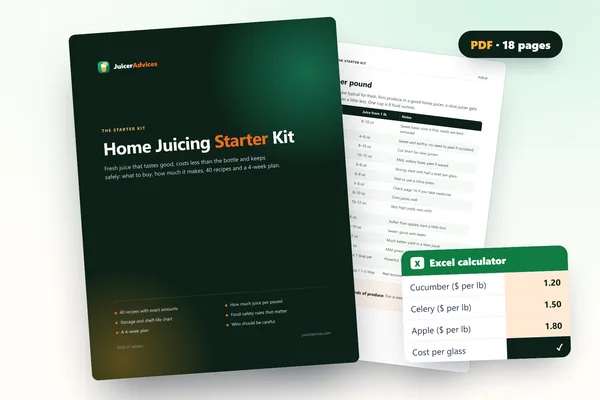 Home Juicing Starter KitMake fresh juice that tastes good, costs less and keeps safely: 40 recipes with exact amounts, a yield chart and a 4-week plan.40 juice, smoothie and shot recipesYield, storage and food-safety chartsCost, yield and shopping-list calculator (Excel)
How To Store Seed-Free Smoothies Safely
Preserve your seed-free smoothie by keeping it refrigerated under 40°F (4°C) immediately after making it. This slows bacterial growth and keeps flavors fresh.
Consume your smoothie within 24 to 48 hours. After this, nutrient loss increases and spoilage risk grows, even when refrigerated.
Avoid using unpasteurized juice in smoothies if you’re pregnant, elderly, young, or have a weakened immune system. Pasteurized juice lowers the risk of foodborne illness.
Clean blender blades carefully right after use to prevent residue buildup, which can harbor bacteria and cause off-flavors in future blends.
Smoothies storage and safety depend on quick chilling, proper container sealing, and timely consumption. Reheating is not recommended as it changes texture and may promote spoilage.