Fixing a bitter smoothie is simple with seven easy tricks that balance flavors and ingredients. You’ll spend about 5 minutes adjusting your recipe and get a smoother, tastier drink that yields one large 12 oz serving.
A bitter smoothie can ruin your healthy start to the day, but the fix is usually quick and straightforward. Most bitterness comes from certain greens, citrus pith, or add-ins like protein powders. Adjusting what you blend or adding the right flavors can turn a bitter batch into a delicious one.
Before you toss your smoothie, try these seven practical solutions that work for most bitter blends. Each fix targets a common cause of bitterness, so you can pick the one that fits your recipe and taste buds.
What to remember
Bitterness often comes from greens, citrus pith, or bitter powders in your smoothie.
Add natural sweeteners like banana or a zero-calorie option to counter bitterness.
Healthy fats like avocado or nut butter coat your tongue and reduce bitterness.
A pinch of salt can enhance sweetness and reduce bitter taste.
Use fresh ingredients and remove citrus pith to prevent bitterness before blending.
How to Fix a Bitter Smoothie: 7 Easy Solutions
A bitter smoothie is easy to fix by adding a natural sweetener, a pinch of salt, healthy fats, or swapping out bitter ingredients. Use about 1 tsp of honey or maple syrup, a small pinch of salt, or 1/4 avocado per 12 oz serving for a smoother taste.
Bitter flavors often come from leafy greens like kale and spinach, citrus pith (the white part under the peel), or certain protein powders. Identifying these helps you choose the right fix.
1
Add Natural Sweetener
Mix in 1 tsp honey, maple syrup, or agave nectar per 12 oz smoothie. Sweetness balances bitterness by masking harsh flavors naturally.
2
Include Healthy Fats
Add 1/4 of a ripe avocado or 1 tbsp nut butter. Fats smooth bitterness by coating your taste buds and improving mouthfeel.
3
Use a Pinch of Salt
Add about 1/8 tsp salt. Salt enhances sweetness perception and reduces bitterness without making the smoothie salty.
4
Add More Sweet Fruits
Add 1/4 to 1/2 cup of naturally sweet fruits like banana, mango, or pineapple to counter bitterness with natural sugars.
5
Use Citrus Juice, Not Pith
Add up to 1 tbsp fresh lemon or orange juice only, avoiding the bitter white pith. Citrus juice brightens flavor and cuts bitterness.
6
Swap Your Liquid Base
Replace water or plain milk with unsweetened almond milk, coconut water, or fruit juice for milder sweetness and less bitterness.
7
Reduce Bitter Ingredients
Cut the amount of kale, spinach, or bitter protein powder by half to reduce harsh flavors without losing nutrition.
Bitter Source
Fix to Try
Kale, Spinach
Add sweetener, healthy fat, or reduce amount
Citrus Pith
Use only juice, avoid pith
Protein Powders
Add salt or sweet fruit, try milder powder
Avocado Smoothies
Add sweetener or citrus juice
Common Bitter Ingredients and How to Fix Them
If your avocado smoothie tastes bitter, it’s often due to unripe avocado or too much green skin blended in. Use ripe avocado and add 1 tsp honey or 1 tbsp fresh lemon juice to soften bitterness.
Quick Fix for Stored Smoothies
If your smoothie tastes bitter after sitting in the fridge, stir in a small amount of honey or orange juice before drinking to brighten and balance flavors.
How to Prevent Bitter Smoothies
Use ripe fruits and vegetables
Avoid blending citrus pith or seeds
Add natural sweetener or healthy fat
Choose milder protein powders
Swap water for mildly sweet liquids
What You’ll Need to Fix a Bitter Smoothie
Basic kitchen tools and ingredients for flavor balancing
Simple, Healthy Recipes
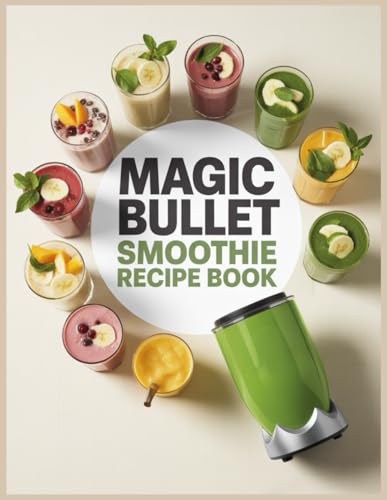
Luini Unlimited How to Make Smoothies Book
This book offers straightforward blender recipes that help you balance flavors and avoid bitterness, perfect for quick fixes. It guides you through using common ingredients that smooth out harsh tastes.
This book includes over 115 recipes designed to support weight loss and boost immunity with balanced flavors that counteract bitterness. It’s ideal if you want health benefits alongside flavor fixes.
Why Do Smoothies Turn Bitter in the Fridge and How to Avoid It
Smoothies often taste bitter the next day because of oxidation, especially when they contain leafy greens like spinach. When exposed to air, the chlorophyll in greens breaks down, releasing bitter compounds that grow stronger during refrigeration.
Drinking your smoothie immediately after blending is best to avoid this bitterness. If you must store it, use an airtight container filled to the brim to minimize air exposure and slow oxidation.
Overripe or bruised fruits worsen bitterness over time. These damaged fruits start fermenting sooner, producing off-flavors that contribute to an unpleasant bitter taste after a day or two in the fridge.
How to Avoid Bitter Smoothies in the Fridge
Use fresh, unbruised fruits and greens
Store in airtight containers filled to the top
Minimize air contact by sealing jars tightly
Drink smoothies within 24 hours
Avoid adding citrus early if you plan to store
Freshness Matters
If you plan to store your smoothie, add citrus juice like lemon or lime just before drinking. Acid helps mask bitterness and slows oxidation, keeping flavors fresher.
Watch for Signs of Spoilage
If your smoothie smells sour or looks separated, it may be fermenting and unsafe to drink. Always check before consuming stored smoothies.
Variations to Fix or Avoid Bitterness for Common Health Needs
A bitter gourd banana smoothie can be less harsh by balancing bitter notes with natural or zero-calorie sweeteners like stevia or monk fruit. These options lower sugar without raising bitterness or calories.
Smoothies with bitter leaves like kale or dandelion greens benefit from milder fruits such as pears, melons, or ripe bananas. These fruits reduce acidity and digest more gently, easing stomach discomfort.
Protein powders often add bitterness. Switching to less bitter types like pea or rice protein, or reducing the amount used, helps keep your smoothie smoother and more palatable.
If you have kidney concerns, limit high-potassium or high-oxalate greens such as spinach, swiss chard, or beet greens. Substitute with lower potassium options like iceberg lettuce or cucumber to avoid excess mineral intake.
Adjustments for Bitterness and Health Needs
Use zero-calorie sweeteners to lower sugar
Choose mild fruits like pear or melon
Swap bitter greens for gentler leafy alternatives
Pick less bitter protein powders or reduce amounts
Limit high potassium/oxalate greens for kidney health
Protein Powder Bitterness
Try mixing your protein powder with a small amount of unsweetened vanilla almond milk or adding a pinch of cinnamon. Both can mask bitterness without extra sugar.
From JuicerAdvices · our own guidePage 11 has the smoothies, with exact amounts and swaps.Home Juicing Starter KitMake fresh juice that tastes good, costs less and keeps safely: 40 recipes with exact amounts, a yield chart and a 4-week plan.40 juice, smoothie and shot recipesYield, storage and food-safety chartsCost, yield and shopping-list calculator (Excel)$14.99$9.99Get it for $9.99See what's inside and watch the 2-minute video →18-page printable PDF + Excel calculator · instant download · 30-day refund
Common Mistakes That Make Smoothies Bitter and How to Avoid Them
Blending longer doesn’t make a smoothie bitter by itself, but over-blending can release more bitter compounds from certain ingredients like greens and seeds. Stop blending once the texture is smooth to avoid this.
Using old, wilted, or bruised produce often introduces bitterness or off-flavors. Fresh, firm fruits and vegetables are less likely to cause bitterness and yield a sweeter smoothie.
Leaving citrus pith—the white part under the peel—in your blend adds a sharp, bitter taste. Peel citrus fruits carefully and remove all the pith before adding them.
Rancid seeds or nut butters are a common hidden source of bitterness. These fats oxidize over time and turn bitter and unpleasant. Always check the freshness date and smell seeds or nut butters before use.
Adding too much green powder or protein powder can overwhelm the smoothie with bitter or chalky notes. Follow package serving suggestions and start with smaller amounts, adjusting for taste.
Mistake
How It Causes Bitterness
How to Avoid
Over-blending
Releases bitter compounds from greens and seeds
Stop blending once smooth
Old produce
Develops off-flavors and bitterness
Use fresh, firm ingredients
Citrus pith
Contains bitter compounds
Peel carefully and remove pith
Rancid seeds/nut butters
Oxidized fats taste bitter
Check freshness and smell
Too much powder
Concentrates bitter or chalky flavors
Use recommended amounts
Common causes of bitterness in smoothies and how to prevent them.
Check Your Ingredients
If your smoothie suddenly tastes bitter despite following these tips, check for spoiled or rancid ingredients. Consuming rancid fats can cause digestive upset.
Blend in Stages
Add greens and powders last and blend just until combined to minimize bitterness from overprocessing.
Questions People Ask
Can I use baking soda to fix a bitter smoothie?
Yes, adding a small pinch of baking soda can neutralize acidity and reduce bitterness. Use it sparingly—about 1/8 teaspoon per smoothie—to avoid a soapy taste. Baking soda reacts with acidic ingredients, balancing the overall flavor.
Does blending longer make a smoothie bitter?
Blending longer doesn’t directly cause bitterness, but it can release more bitter compounds from ingredients like leafy greens and seeds. Over-blending may also heat the smoothie slightly, which can intensify bitter flavors. Aim for just enough blending to combine ingredients smoothly.
Why does my spinach smoothie taste bitter the next day?
Spinach and other leafy greens oxidize when stored, producing bitter-tasting compounds. This bitterness develops as the smoothie sits in the fridge, especially if not sealed tightly. To avoid this, drink your smoothie fresh or add lemon juice to slow oxidation.
Is a bitter smoothie safe to drink?
Yes, bitterness alone doesn’t mean a smoothie is unsafe. It usually comes from natural plant compounds or oxidation. However, if the smoothie smells sour, has changed texture, or tastes off beyond bitterness, it’s best to discard it.
What can I add to a bitter avocado smoothie to improve taste?
Try adding natural sweeteners like honey, maple syrup, or ripe banana to balance avocado’s slight bitterness. A splash of vanilla extract or a pinch of salt can also enhance flavor. Healthy fats like nut butters soften bitterness while keeping the smoothie creamy.
How much sweet fruit should I add to balance bitter greens?
About half a cup of sweet fruit like banana, mango, or pineapple per 1 to 2 cups of greens usually balances bitterness well. Adjust to taste, but starting with this ratio helps keep the smoothie flavorful without adding too much sugar.
Why do some protein powders make my smoothie bitter?
Certain protein powders contain bitter-tasting ingredients like pea or hemp protein, or artificial sweeteners that can taste bitter to some people. Choosing a milder-flavored powder or blending with sweet fruits and a pinch of salt can help mask bitterness.
Before you go · a welcome giftGet the Home Juicing Starter Kit for $4.99Make fresh juice that tastes good, costs less and keeps safely: 40 recipes with exact amounts, a yield chart and a 4-week plan. Normally $14.99; your welcome price saves $10.00. We'll email your link right now.or skip the email and buy it now for $4.99 →One email with your link now. We never share your address.

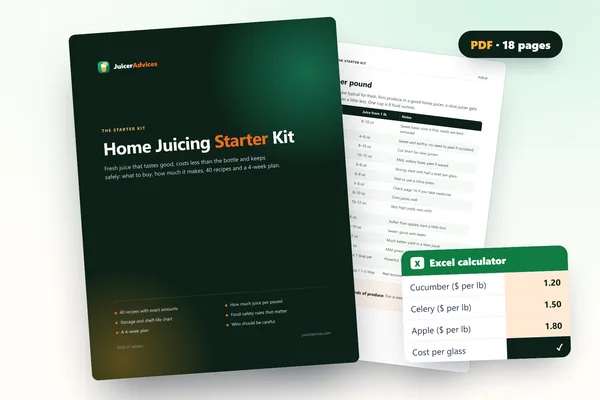 Home Juicing Starter KitMake fresh juice that tastes good, costs less and keeps safely: 40 recipes with exact amounts, a yield chart and a 4-week plan.40 juice, smoothie and shot recipesYield, storage and food-safety chartsCost, yield and shopping-list calculator (Excel)