How Nutrient-Dense Is Diluted Cranberry Juice? The Real Math
On this page 7 sections
The most common mistake is thinking dilution destroys nutrients. It doesn’t. The vitamin C, PACs and antioxidants stay intact—they’re just spread thinner. What you lose is concentration per serving, which matters when you drink one glass instead of three.
The real question isn’t whether dilution changes nutrient density—it does—but whether the diluted glass still delivers enough to be useful. That depends on the ratio, the starting juice, and what you’re drinking it for.
What Dilution Does to Nutrient Concentration
Diluted cranberry juice has fewer nutrients per glass because water spreads them across a larger volume; it doesn’t destroy them. With pure juice at 23 mg of vitamin C and 35–40 mg of PACs per 100 ml, a 50/50 mix provides half as much of each per 100 ml.
Nutrient density means the amount in a given serving, not the total amount in the pitcher. Since most people drink one glass, adding water usually means a smaller dose of vitamin C, PACs and juice calories in that glass.
| Mix (juice:water) | Vitamin C per 100 ml | PACs per 100 ml | Juice calories in each glass |
|---|---|---|---|
| Pure juice | 23 mg | 35–40 mg | 100% of the pure-juice amount |
| 2:1 | About 15 mg | About 23–27 mg | About 67% |
| 1:1 | About 12 mg | About 17–20 mg | 50% |
| 1:3 | About 6 mg | About 9–10 mg | 25% |
For more detail on the drink’s baseline nutrients, see cranberry juice nutrition.
The PAC Threshold for Urinary Health
For UTI prevention, research has examined about 36 mg of cranberry PACs daily; PACs may help by making it harder for E. coli to adhere to the bladder lining. That’s a prevention target, not a treatment dose for an active UTI.
At a 50/50 dilution, 100 ml contains about 17–20 mg of PACs, so you’d need roughly 180–212 ml of the mix to reach 36 mg. A mix with less than 25% juice has under about 9–10 mg per 100 ml and may take a large volume to deliver that amount.
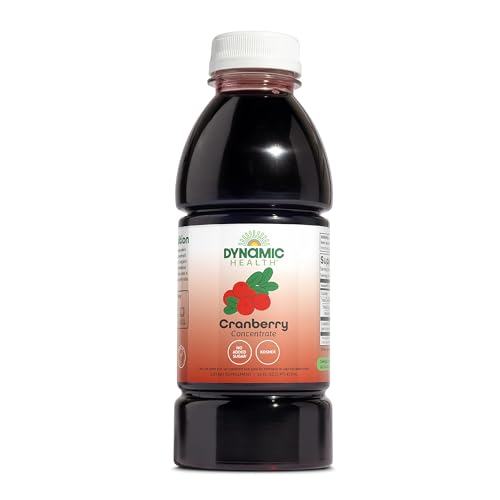
If you want a concentrated cranberry product to measure and dilute, product 1 is labeled as unsweetened concentrate with no added sugar; the label doesn’t state its PAC amount, so you can’t use it to verify a 36 mg dose.
The 36 mg figure comes from prevention research, and juice products don’t all provide the same PAC concentration. A very diluted drink may require more volume to reach the studied amount; that doesn’t make cranberry juice a substitute for evaluation or treatment when you have urinary symptoms.
The Best Dilution Ratio for Taste and Health
A 2:1 mix—two parts cranberry juice to one part water—is the best balance for keeping nutrients while easing the tartness. It retains about 67% of the juice’s vitamin C and PACs; a 100 ml serving of the diluted drink provides roughly 25 mg of PACs.
The added water softens cranberry’s sharp taste enough that many people can drink it without sweetener. Starting with a cranberry cocktail that’s only 25–30% juice and adding more water leaves you with very little cranberry per glass, so it’s a poor starting point if you want the juice’s nutrients.
 Home Juicing Starter KitMake fresh juice that tastes good, costs less and keeps safely: 40 recipes with exact amounts, a yield chart and a 4-week plan.40 juice, smoothie and shot recipesYield, storage and food-safety chartsCost, yield and shopping-list calculator (Excel)
When Vitamin C Matters More Than PACs
Orange juice is more nutrient-dense in vitamin C per calorie than cranberry juice or cherry juice. An 8 oz glass of pure cranberry juice has about 55 mg of vitamin C, roughly 60% of the adult Daily Value; the same size serving diluted 2:1 provides about 37 mg.
| Juice | Vitamin C per 8 oz | Vitamin C per calorie |
|---|---|---|
| Pure cranberry juice | About 55 mg | Less than orange juice |
| Cranberry juice diluted 2:1 | About 37 mg | Less than orange juice |
| Orange juice | More than cranberry juice | More than cranberry juice |
| Cherry juice | Varies by product | Varies by product |
Cold water doesn’t degrade vitamin C, so dilution lowers the amount per glass by spreading the juice across more volume, not by damaging the vitamin. If vitamin C is your main goal, choose a smaller serving of pure cranberry juice or pick orange juice, which provides more vitamin C per calorie.
For a closer look at the nutrients in an undiluted serving, see cranberry juice nutrition.
Why Heavily Diluted Juice Won’t Help a UTI
A 1:3 mix—one part cranberry juice to three parts water—has only one-quarter as many PACs per ounce as the undiluted juice, so you’d need more than 1 liter to match the PACs in one small glass of pure juice. Drinking that much to reach a target isn’t practical.
Water still matters: staying hydrated helps you urinate and move bacteria out of the urinary tract. But cranberry PACs are thought to work by making it harder for some bacteria to stick to the bladder lining, not by flushing bacteria away.
Choose a small glass of concentrated cranberry juice, then drink a separate glass of water to hydrate. If you prefer a ready-to-drink blend, check its label: “100% juice” doesn’t mean it’s pure cranberry juice, and the amount of cranberry can vary.

Who Should Watch Sugar and Potassium in Cranberry Juice
If you’re counting carbohydrates or managing kidney disease, check the serving and dilute cranberry juice with water: dilution lowers both sugar and potassium per glass, but doesn’t change the amount in the juice you started with. Pure cranberry juice has about 4 g of natural sugar and 80 mg of potassium per 100 ml; an 8 oz glass has about 10 g of sugar.
A 50/50 mix cuts the sugar and potassium from the juice in each same-size glass roughly in half. The sugar is still carbohydrate, so include it in your meal plan if you track carbs or notice that juice raises your blood glucose. Check the label, since juice blends can differ from pure cranberry juice.
If you have stage 3–5 kidney disease and follow a potassium-restricted diet, keep the serving small and count it toward your clinician’s daily limit. Your allowed amount depends on your kidney function, blood potassium and other foods and drinks that day.
| Drink | Sugar per serving | Servings | Total |
|---|---|---|---|
| Pure cranberry juice, 8 oz | 10 g | 1 | 10 g |
| 50/50 cranberry juice and water, 8 oz | 5 g | 1 | 5 g |
| Total | 15 g | ||
More Questions, Answered
Does diluting cranberry juice destroy the antioxidants?
Can I dilute cranberry juice cocktail further and still get benefits?
How much pure cranberry juice should I drink daily for a UTI?
Is it better to drink diluted cranberry juice or take a PAC supplement?
Does adding sparkling water instead of still water change the nutrients?
More juices guides on JuicerAdvices.