Cranberry Juice Cost: Price Guide and How Much to Drink Safely
On this page 6 sections
Cranberry juice prices differ a lot depending on type and brand because of factors like juice concentration, added sugars, and how it’s made.
This article breaks down cranberry juice costs by type, explains what you pay for, and helps you decide when concentrate or pure juice is worth the price. It also covers buying tips, storage, and who should limit intake.
Cranberry Juice Cost: Price Range and What You Pay For
Cranberry juice prices vary widely depending on type, juice content, and added sugar, but a typical 8 oz serving costs between about 15 cents and $2.75. Pure and organic juices cost more per ounce than cocktail blends, while concentrate costs more per ounce but less per serving because you dilute it at home.
Cocktail cranberry juice blends are usually the cheapest option. These contain about 27% cranberry juice, with the rest mostly water, sweeteners, and other fruit juices. Their sugar content is high, often 24 to 30 grams per 8 oz serving, which lowers production cost but raises calories to around 110-120 per serving.
100% pure cranberry juice, which has no added sugars, costs more per ounce because it is less diluted and requires more cranberries to produce. This pure juice tends to be very tart and acidic, with a pH around 2.3 to 2.5, which explains why it may sting an irritated throat or stomach. Calories are lower than cocktail juice, typically 40 to 50 per 8 oz serving, with sugar coming naturally from the fruit.
Organic cranberry juices add a price premium, reflecting higher farming and certification costs. Organic options usually come as pure juice or concentrate and tend to be closer in price to premium 100% juices than cocktail blends. Brand also plays a role: well-known labels charge more for quality assurance and marketing.
Cranberry juice concentrate costs more per fluid ounce in its undiluted form because it is a thick, syrupy extract. However, you mix it with water before drinking, so the cost per drinkable serving is lower than ready-to-drink pure juice. Concentrate has no added sugar if labeled unsweetened, making it a good choice for controlling sugar intake.
Typical serving sizes are 8 oz glasses for ready-to-drink juices and about 1 to 2 tablespoons of concentrate mixed with water to make an 8 oz serving. Calorie content varies from about 15-30 for dilute cocktails up to 110-120 in sweetened blends, with pure juice and concentrate providing fewer calories per serving when undiluted.
Sodium content in cranberry juice is generally low, around 5 to 15 mg per serving, but some cocktail blends may have added sodium to improve flavor or shelf life. The acidity of cranberry juice means it can irritate sensitive stomachs or reflux, so people prone to acidity-related discomfort should test tolerance with smaller amounts.
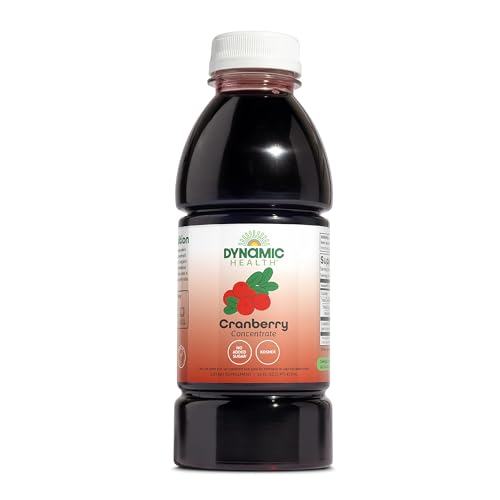
Unsweetened cranberry juice options, especially concentrates like Dynamic Health 100% Cranberry Juice Concentrate, offer the benefits of pure juice without added sugars. They cost more upfront but stretch further since you dilute them yourself. This concentrate also has a strong antioxidant profile and zero added sodium, but its tartness can be intense if undiluted.
| Type of Cranberry Juice | Juice Content (%) | Sugar per 8 oz (g) | Calories per 8 oz | Cost per 8 oz serving (approx.) | pH (Acidity) |
|---|---|---|---|---|---|
| Cocktail Blend | ~27 | 24-30 | 110-120 | Varies by brand and package size | ~2.7 |
| 100% Pure Juice | 100 | 8-12 | 40-50 | Varies by brand and package size | 2.3-2.5 |
| Organic Pure Juice | 100 | 8-12 | 40-50 | Varies by brand and package size | 2.3-2.5 |
| Concentrate (undiluted) | Typically 100% juice before dilution | 0 (if unsweetened) | ~50 (undiluted) | Varies by brand and package size | 2.3-2.5 |
How Much Cranberry Juice to Drink and When
You can safely drink about 8 oz (one cup) of cranberry juice daily to support urinary health and antioxidant intake. This amount is commonly used in studies and health guidance for reducing urinary tract infection (UTI) risk.
The best time to drink cranberry juice for urinary benefits is spread evenly throughout the day rather than all at once. Drinking it with meals can reduce stomach upset and improve absorption of antioxidants.
If you’re using cranberry concentrate, always dilute it according to package directions—typically 1 part concentrate to 3 or 4 parts water—to avoid excess acidity and sugar intake. Undiluted concentrate is too strong and can irritate your digestive tract.
Cranberry juice is acidic, so you should space it at least two hours away from certain medications such as blood thinners or antacids. This reduces the risk of interactions and helps the medication work as intended.
While many drink cranberry juice before workouts for hydration and antioxidants, it’s not a proven performance enhancer. Hydrating with plain water or electrolyte drinks is better for exercise.
Effects on urinary tract health may take a few days to weeks to notice and require consistent daily intake. For antioxidant benefits, regular consumption is needed, but acute effects are minimal.
Some people combine cranberry juice with apple cider vinegar (ACV) for digestive benefits. If you do, dilute both well and drink with food to protect your stomach lining and teeth from acidity.
Who Should Avoid or Limit Cranberry Juice
People with a history of kidney stones or those on potassium-restricted diets should limit cranberry juice. Its acidity and potassium content can worsen stone formation or affect kidney function.
If you have gout or pancreatitis, cranberry juice may aggravate symptoms due to its purine content and acidity. Both conditions require careful management of acidic and purine-rich foods.
Individuals with acid reflux or irritable bowel syndrome (IBS) sensitive to acidic or high-FODMAP foods may find cranberry juice triggers discomfort or symptoms. Lower acidity alternatives may be better.
If you take warfarin, you need consistent vitamin K intake, but cranberry juice contains very little vitamin K. Still, it’s wise to monitor any new juice intake and discuss with your healthcare provider.
Sugar content in many cranberry juices is high, which can affect blood sugar levels in people with diabetes or insulin resistance. Choose unsweetened or low-sugar options and track your intake.
 Home Juicing Starter KitMake fresh juice that tastes good, costs less and keeps safely: 40 recipes with exact amounts, a yield chart and a 4-week plan.40 juice, smoothie and shot recipesYield, storage and food-safety chartsCost, yield and shopping-list calculator (Excel)
Better Alternatives to Cranberry Juice for Specific Needs
Unsweetened cranberry juice or diluted cranberry concentrate offers a lower-sugar alternative to cranberry cocktail, helping reduce added sugar intake while still providing key antioxidants and proanthocyanidins for urinary health.
Apple cider vinegar mixed with water or juice blends is another option some use for urinary and digestive health. It has a tangy taste and lower sugar but can irritate sensitive stomachs or tooth enamel if consumed undiluted.
Compared to cranberry juice, orange juice generally has more sugar and higher acidity, which might not suit those aiming for low-acid drinks or limiting sugar. Coconut water offers natural electrolytes and hydration with less acidity and modest sugar but lacks cranberry’s specific compounds linked to urinary benefits.
Electrolyte drinks without added sugar can help maintain hydration during illness or exercise without raising sugar intake. They don’t supply cranberry’s antioxidants but are good for fluid balance and may be more cost-effective per serving.
In terms of cost, diluted concentrates and homemade mixes with apple cider vinegar or electrolyte powders often cost less per serving than bottled cranberry juice blends. However, homemade options require more preparation time and careful dilution to achieve the desired flavor and effects.
Tips for Buying, Storing, and Using Cranberry Juice Efficiently
Cranberry juice can go bad, especially after opening. Unopened juice typically lasts several months past the printed expiration date if refrigerated properly, but once opened, it’s best used within 7 to 10 days for freshness and safety.
Juice concentrate, when unopened, can last even longer, often up to a year, but once diluted, treat it like regular juice and consume within about a week. Always check the label for specific storage recommendations.
Diluting concentrate properly stretches servings and reduces sugar per glass. Generally, mix one part concentrate with three to four parts water, adjusting to taste. Use measuring cups or spoons for consistency and to avoid waste.
Homemade cranberry juice from fresh or frozen berries can be cost-effective but requires time, effort, and access to fresh fruit. It also lacks the convenience and consistent dosing of store-bought juice or concentrate.
Cranberry juice often contains natural sugars ranging from about 20 to 30 grams per 8 oz serving, depending on whether it’s pure juice or a cocktail blend. Keep this in mind if managing sugar intake is a priority.
Knowing the juice yield from concentrate helps calculate cost efficiency. For instance, a 16 oz bottle of concentrate often makes about 60 oz of juice after dilution, roughly seven 8 oz servings, which can be more economical than ready-to-drink bottles.