How Much Caffeine Per Day Is Actually Safe?
On this page 3 sections
You probably start your day with a cup of coffee. Maybe you grab an energy drink for that afternoon slump. Caffeine is the world’s most popular psychoactive substance, woven into the fabric of daily life. But when does your daily habit cross a line? Knowing your personal caffeine limit is key to harnessing its benefits without the jitters or worse.
This isn’t about scare tactics. It’s about smart consumption. The line between a helpful boost and unpleasant side effects is thinner than you might think, and it varies wildly from person to person. We’ll break down the official guidelines, explore what’s in your cup, and help you listen to your body’s signals. For those seeking a precise, controlled dose without the calories or acidity of beverages, some turn to supplements like Check price on Amazon. They offer a straightforward way to manage intake, but understanding your overall daily limit is the critical first step.

What is the Official Safe Daily Caffeine Limit?
So, what’s the magic number? For most healthy adults, regulatory bodies like the U.S. Food and Drug Administration (FDA) and health organizations point to 400 milligrams (mg) of caffeine per day as a generally recognized safe amount. This is the cornerstone of most daily caffeine recommendations you’ll encounter.
Think of 400 mg as a ceiling, not a target. It’s not a recommendation to consume that much every single day. This caffeine limit is based on extensive research into potential adverse effects like nervousness, insomnia, and increased heart rate. The FDA provides an excellent official source that dives deeper into these FDA caffeine limits.
However, this one-size-fits-all number comes with major caveats. Key populations have much lower caffeine consumption guidelines:
- Pregnant or breastfeeding individuals are typically advised to limit intake to under 200 mg per day, as caffeine crosses the placenta and enters breast milk.
- For teenagers, the American Academy of Pediatrics suggests avoiding caffeine altogether, but if consumed, it should be limited to no more than 100 mg daily. The question of how much caffeine is safe for a teenager is a serious one, given their developing nervous systems.
- Individuals with certain heart conditions, anxiety disorders, or who are taking specific medications need to consult their doctor for personalized advice.
How Caffeine Affects Your Body and Health
Caffeine works by blocking adenosine, a neurotransmitter that makes you feel tired. This leads to increased alertness and energy. But the effects ripple throughout your system.
At moderate levels, caffeine can enhance focus, improve physical performance, and even offer some metabolic benefits. The problems start with overconsumption. Common caffeine side effects include:
- Jitters, anxiety, and restlessness
- Insomnia or disrupted sleep patterns
- Upset stomach, heartburn, or nausea
- Increased heart rate and blood pressure (temporarily)
- Headaches
Push far beyond your limit, and you risk caffeine overdose (caffeine toxicity). Symptoms are severe: dangerous arrhythmias, confusion, vomiting, and even seizures. It’s a medical emergency. consistent high intake leads to dependence. Suddenly stopping can trigger caffeine withdrawal, marked by pounding headaches, fatigue, irritability, and brain fog for a day or two.
Caffeine Content: Coffee, Tea, Soda & Energy Drinks
You can’t manage your intake if you don’t know what you’re consuming. The mg of caffeine per day adds up quickly from surprising sources. Here’s a quick reference table for common items:
| Beverage/Food | Approximate Caffeine | Serving Size |
|---|---|---|
| Brewed Coffee | 95-165 mg | 8 oz cup |
| Espresso | 64 mg | 1 oz shot |
| Black Tea | 25-48 mg | 8 oz cup |
| Cola | 25-46 mg | 12 oz can |
| Energy Drink | 70-240 mg | 8-16 oz can |
| Dark Chocolate | 20-60 mg | 2 oz bar |
Notice the huge ranges. A large specialty coffeehouse brew can easily hit 300+ mg, blowing half your daily healthy caffeine limit in one go. Asking how much caffeine is in a cup of coffee is trickythe answer depends on the bean, roast, and brew method.
Energy drinks are a particular wild card. Not only can their caffeine content be very high, but they’re often packed with other stimulants and a staggering amount of sugar. It’s wise to check labels carefully; for instance, understanding how much stimulant and how much sweetener is in popular brands like Red Bull is crucial for a full picture of what you’re ingesting.
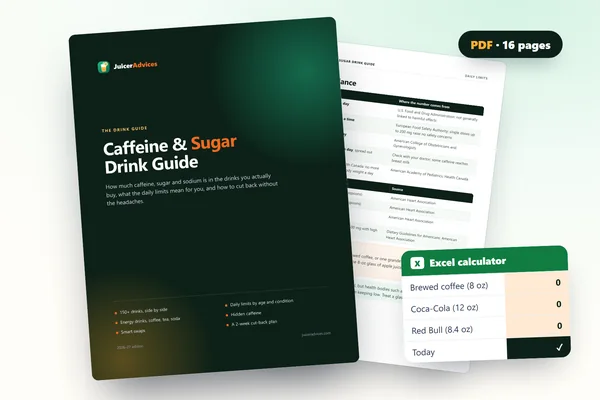 Caffeine & Sugar Drink GuideKnow exactly how much caffeine, sugar and sodium is in 150+ popular drinks, and set daily limits that fit you.Caffeine and sugar in 150+ drinksDaily limits, smart swaps and a cut-back planDaily caffeine and sugar calculator (Excel)
Factors That Change Your Personal Caffeine Tolerance
This is where the 400 mg guideline truly fractures. Your individual tolerance is shaped by a unique blend of genetics and lifestyle. A seasoned coffee drinker might feel nothing from a double espresso, while a novice could be bouncing off the walls.
What modulates your personal limit?
- Genetics: Your liver produces enzymes (primarily CYP1A2) that metabolize caffeine. Some people are “fast metabolizers,” others are “slow.” This is inherited.
- Body Weight & Size: A larger person may tolerate more caffeine than a smaller one before feeling effects.
- Habitual Use: Regular consumption builds tolerance, meaning you need more to achieve the same alertness.
- Medications & Health Conditions: Certain drugs (like some antibiotics or antidepressants) can slow caffeine metabolism, amplifying its effects and side effects.
- Pregnancy: Metabolism slows significantly, which is why safe caffeine intake while pregnant is halved.
This variability is why online caffeine intake calculators can give a rough estimate but should never be taken as gospel. They can’t account for your unique biochemical makeup.
Signs You’ve Had Too Much Caffeine & What To Do
Your body sends clear signals when you’ve surpassed your personal threshold. Listen to it. Early warning signs include feeling overly anxious, your heart racing uncomfortably, or hands trembling. You might have trouble focusing because you’re too wired.
If you experience these symptoms, take immediate action:
- Stop consuming. No more coffee, soda, or chocolate.
- Drink plenty of water. Caffeine is a mild diuretic and can contribute to dehydration, worsening symptoms.
- Eat some food. Food can slow the absorption of caffeine and help stabilize your blood sugar.
- Go for a walk. Light exercise can help metabolize the caffeine and burn off nervous energy.
- Wait it out. Caffeine’s half-life is 4-6 hours. The intense effects will subside as your body processes it.
If symptoms are severechest pain, severe headache, vomiting, or confusionseek medical attention immediately to rule out caffeine overdose.
So, is 500mg of caffeine too much in one day? For the vast majority of people, yes. It’s 100 mg over the general safety guideline and is likely to produce significant negative side effects. It’s a clear sign to reassess your habits.
Caffeine is a tool. Like any tool, its effectiveness depends on how you use it. The 400 mg daily limit is a useful benchmark, but your true north is your own body’s feedback. Pay attention to how you sleep, how you feel, and where your anxiety levels sit. Track your sources, because that afternoon soda or piece of chocolate adds up. For those managing specific conditions like pregnancy, stricter, personalized limits are non-negotiable. The goal isn’t elimination, but optimizationusing caffeine to enhance your life, not disrupt it. Start with the numbers, but always end by listening to yourself.