Pineapple juice can be refrigerated safely for about 7 to 10 days once opened and up to 6 months if frozen. Unopened juice lasts several weeks in the fridge depending on pasteurization. Proper storage at 40°F (4°C) or below slows spoilage and keeps the juice fresh longer.
Pineapple juice is a popular, refreshing drink that can spoil quickly if not stored properly. Understanding how long it stays good in the fridge or freezer helps you avoid waste and foodborne illness.
This article guides you through the best storage times and conditions for pineapple juice, whether canned, bottled, fresh, or cold-pressed, and how to spot spoilage before drinking.
The essentials
Opened pineapple juice lasts about 7 to 10 days refrigerated at 40°F (4°C) or below.
Unopened pasteurized pineapple juice can last several weeks in the fridge; check the expiration date.
Freezing pineapple juice extends its life up to 6 months but may change texture and flavor.
Fresh, unpasteurized, or cold-pressed pineapple juice spoils faster and should be consumed within 2 to 3 days refrigerated.
Always discard juice showing signs of spoilage such as off smell, fizzing, mold, bulging lid, or sour taste.
How Long Can Pineapple Juice Be Refrigerated Safely?
Pineapple juice can be refrigerated safely for about 7 to 10 days once opened. Unopened pasteurized juice lasts several weeks in the fridge, depending on the date on the label and storage conditions.
Pineapple juice should be refrigerated and lasts 7 to 10 days after opening.
Refrigeration slows bacterial growth and chemical changes that cause spoilage. Keeping juice at or below 40°F (4°C) is essential to maintain safety and freshness. Temperatures above this allow microbes to multiply faster, which can lead to off flavors or foodborne illness.
Once you open a bottle or container, seal it tightly to reduce exposure to air and contaminants. This helps preserve flavor and extend the safe drinking window. Generally, an open container of pineapple juice will keep well for about one week in the fridge if sealed properly.
Type and Condition
Storage Time in Refrigerator
Unopened pasteurized pineapple juice
Several weeks (check label)
Opened pineapple juice, sealed tightly
7 to 10 days
Fresh, unpasteurized juice (opened)
1 to 3 days
Fresh, unpasteurized juice (unopened)
Up to 3 days if refrigerated immediately
Typical refrigerator storage times for pineapple juice
Why Storage Temperature Matters
Cold temperatures slow bacterial growth and enzyme activity that cause juice to spoil. Keeping juice consistently at 40°F (4°C) or below is key to safety and quality.
Best for keeping juice fresh
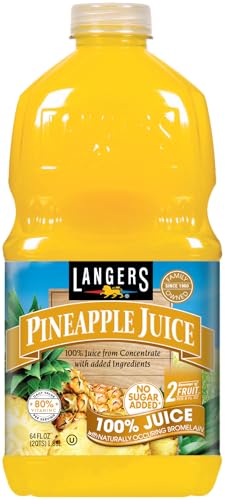
Langer, Pineapple Juice with Vitamin C, 64 Fl Oz Bottle
The Langer Pineapple Juice bottle seals tightly and is easy to refrigerate after opening, helping you store juice safely for up to 10 days.
Freezing pineapple juice can extend its shelf life up to 6 months. This is useful when you want to keep juice longer than refrigeration allows.
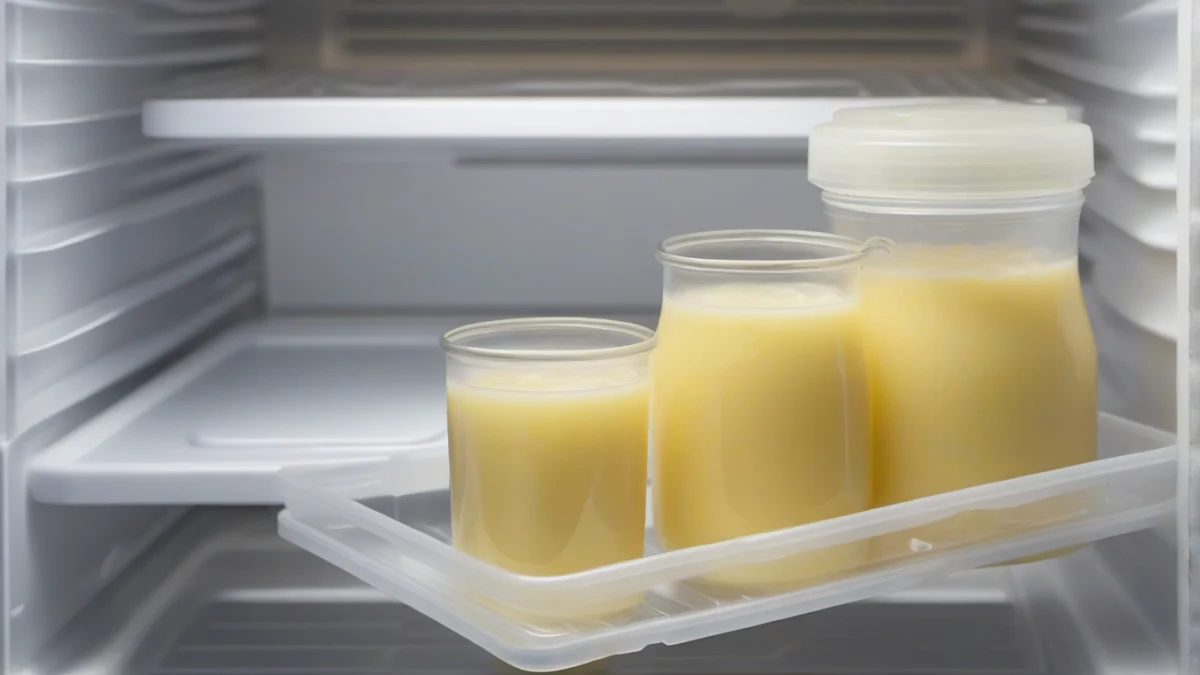
Freezing pineapple juice in airtight containers extends its shelf life up to 6 months.
Use airtight, freezer-safe containers to prevent freezer burn and keep the juice’s flavor intact. Leave about an inch of space at the top of the container because juice expands as it freezes.
Thaw frozen pineapple juice in the refrigerator rather than at room temperature. Once thawed, consume it within 24 hours to ensure safety and quality.
Freezing may change the juice’s texture or flavor slightly, but it remains safe to drink if it smells and tastes normal after thawing. Discard the juice if it develops an off smell or taste.
1
Step 1
Pour pineapple juice into a clean, freezer-safe container, leaving space for expansion.
2
Step 2
Seal the container tightly to prevent air exposure and freezer burn.
3
Step 3
Label with the freezing date and place in the freezer.
4
Step 4
To thaw, place the container in the refrigerator until fully liquid.
5
Step 5
Use thawed juice within 24 hours and check for off smells or flavors before drinking.
Storage Containers for Pineapple Juice
Keep juice fresh and safe with these container options.
On-the-go freshness
Harney & Sons Pineapple Juice Cans
These recyclable aluminum cans offer single servings that keep the juice fresh until opened. Once opened, transfer the juice to a sealed container and refrigerate at or below 4°C (about 39°F) to preserve quality and safety for up to 7 to 10 days.
This 64 fl oz bottle from Langers holds pure pineapple juice with no added sugars or colors, making it a good choice for keeping juice fresh in the fridge for several days or freezing up to 6 months. The bottle’s size suits transferring juice to smaller containers if needed.
Why Fresh, Unpasteurized, and Cold-Pressed Juice Spoil Faster
Fresh and cold-pressed pineapple juices spoil much faster than processed ones, usually within 2 to 3 days refrigerated. These juices are not pasteurized, which means they haven’t been heated to kill bacteria and other microbes that cause spoilage.
Unpasteurized juice can contain harmful bacteria such as Salmonella or E. coli. People who are pregnant, very young, older adults, or have weakened immune systems should avoid unpasteurized juice to reduce risk of infection.
Pasteurization extends shelf life by killing pathogens and enzymes that break down juice quality. Most store-bought pineapple juices are pasteurized, allowing safe refrigeration for about 7 to 10 days once opened.
Fresh squeezed lemon juice also lasts about 2 to 3 days in the refrigerator, similar to fresh pineapple juice. Fresh coconut water, especially unopened tender coconut water, can last up to a week refrigerated but should be consumed quickly after opening.
Reading the label helps you know if the juice is pasteurized or fresh, and if there are safety instructions. Look for words like “pasteurized” or “cold-pressed”. Labels may also advise refrigeration or a “use by” date.
Fresh Juice Storage
Keep fresh and cold-pressed juices refrigerated at 40°F (4°C) or below and consume within a few days to avoid spoilage.
From JuicerAdvices · our own guideHow long does it keep? Page 7 is the storage and shelf-life chart for every juice.Home Juicing Starter KitMake fresh juice that tastes good, costs less and keeps safely: 40 recipes with exact amounts, a yield chart and a 4-week plan.40 juice, smoothie and shot recipesYield, storage and food-safety chartsCost, yield and shopping-list calculator (Excel)$14.99$9.99Get it for $9.99See what's inside and watch the 2-minute video →18-page printable PDF + Excel calculator · instant download · 30-day refund
How to Tell If Pineapple Juice Has Gone Bad
You can tell pineapple juice has spoiled if it smells off or sour. A sour smell is a common sign of fermentation or bacterial growth in the juice.
Fizziness or foam in still pineapple juice signals fermentation, which means the juice is no longer safe to drink. This is often accompanied by a sour taste.
Any mold growth or discoloration, such as dark spots or cloudiness, means you should discard the juice immediately. Mold can be harmful even if only visible in one spot.
Bulging lids on cans or bottles indicate gas buildup from bacterial activity, a clear sign of spoilage. Do not open or drink from containers with swollen lids.
If there are no obvious signs but you suspect spoilage, a cautious taste test is possible. Swallow only a small sip. If the taste is sour or off, throw the juice out.
Food Safety Warning
Do not taste juice that smells or looks suspicious, or comes from a bulging container. These are strong signs it is unsafe.
Checklist Before Drinking or Storing Pineapple Juice
Pineapple juice should always be refrigerated once opened, where it lasts about 7 to 10 days safely. The fridge temperature must be 40°F (4°C) or below to slow spoilage and keep it fresh longer.
Safe Storage and Spoilage Checks
Confirm your refrigerator is at or below 40°F (4°C).
Inspect the juice container for dents, swelling, or leaks before opening.
Smell the juice; discard it if it has an off, sour, or fermented odor.
Look carefully for any mold growth or fizzing bubbles in still juice, which means spoilage.
Transfer opened juice to airtight containers to reduce air exposure and contamination.
Freeze leftover juice you won’t use within 7 days to extend its shelf life.
Following these steps helps you avoid drinking spoiled pineapple juice and keeps your beverages safe and fresh. If you have any leftover juice close to the 7-day mark, freezing it is a good way to avoid waste.
How long does unopened pineapple juice last in the refrigerator?
Unopened pineapple juice can last several weeks in the fridge, depending on whether it is pasteurized. Pasteurized juice typically stays fresh for about 1 to 3 weeks, while unpasteurized varieties may spoil faster. Always check the expiration date on the package and store it at 40°F (4°C) or below.
Can you freeze pineapple juice and how long does it keep?
Yes, freezing pineapple juice is safe and can extend its shelf life up to 6 months. Use an airtight container to prevent freezer burn and leave some space for expansion. Thaw it in the refrigerator and consume within a day or two for best quality.
Is fresh pineapple juice safe to drink after 3 days in the fridge?
Fresh pineapple juice is usually safe to drink within 2 to 3 days if kept refrigerated at 40°F (4°C) or below. Beyond that, it may start to ferment or develop off flavors and should be checked carefully for signs of spoilage before drinking.
What are the signs that pineapple juice has spoiled?
Spoiled pineapple juice typically smells sour or off and may have a fizzy or yeasty odor. You might also notice a change in color or texture, such as cloudiness or sediment. If it tastes unusually sharp or unpleasant, it’s best to discard it.
Should pineapple juice be refrigerated before opening?
Most commercially packaged pineapple juice is shelf-stable before opening due to pasteurization and aseptic packaging, so it does not need refrigeration. However, once opened, it must be refrigerated promptly to slow bacterial growth and preserve freshness.
Who should avoid drinking unpasteurized pineapple juice?
People with weakened immune systems, pregnant women, young children, and older adults should avoid unpasteurized pineapple juice. It can contain harmful bacteria that pasteurization normally eliminates, posing a greater risk to these vulnerable groups.
Before you go · a welcome giftGet the Home Juicing Starter Kit for $4.99Make fresh juice that tastes good, costs less and keeps safely: 40 recipes with exact amounts, a yield chart and a 4-week plan. Normally $14.99; your welcome price saves $10.00. We'll email your link right now.or skip the email and buy it now for $4.99 →One email with your link now. We never share your address.

 Home Juicing Starter KitMake fresh juice that tastes good, costs less and keeps safely: 40 recipes with exact amounts, a yield chart and a 4-week plan.40 juice, smoothie and shot recipesYield, storage and food-safety chartsCost, yield and shopping-list calculator (Excel)