How Long is Coconut Water Good for After Opening: Shelf Life Explained
On this page 6 sections
You bought a carton of coconut water, drank one glass, and put the rest in the fridge. Now three days later you’re staring at it wondering if it’s still safe to drink. It looks fine, but the smell is just a little off. You want a clear answer, not a vague guess.
This article gives you that answer. You’ll learn the exact shelf life of opened coconut water, what factors speed up spoilage, how to spot bad coconut water quickly, and how to store it properly. No fluff, just practical numbers you can use today.
If you mix coconut water with tap water for dilution or use it in recipes, the quality of your base water matters. An under-sink filter like the CuZn UC-200 removes chlorine, lead, and PFAS using coconut shell carbon and KDF-55. It improves taste without removing beneficial minerals, and it installs inline with no drilling. You can check current pricing on Amazon to see if it fits your kitchen.
How long does coconut water last after opening?
For most commercial pasteurized coconut waters, the window is 2 to 3 days in the refrigerator after opening. Some brands with added preservatives or vitamin C stretch to 5 days, but that is the exception, not the rule.
Fresh young coconut water — the kind you crack open yourself — lasts only 24 to 48 hours in the fridge. It has no preservatives and a higher natural enzyme activity that speeds fermentation.
Canned coconut water behaves similarly to carton versions: 2 to 3 days refrigerated. The can’s metal lining sometimes leaves a metallic taste after a day, even if the water is still safe.
Tetra Pak and aseptic cartons perform best because they seal out light and oxygen. Opened, they still only last about 3 days. The ‘best by’ date on the package refers to unopened storage only.

What factors actually make it spoil faster?
Coconut water spoils more quickly than many fruit juices because it is low in acid. Most fruit juices have a pH below 4.0, which suppresses bacterial growth. Coconut water sits around pH 5.0 to 5.5, a much friendlier environment for microbes.
Temperature fluctuation is the biggest accelerator. Every time you take the carton out, let it sit on the counter for 10 minutes, put it back, the interior warms up. Bacteria multiply faster in that warm window. Even one extended period above 40°F can cut shelf life by a day.
Cross-contamination matters too. Drinking straight from the bottle introduces mouth bacteria. Pour into a clean glass instead. If you do drink from the spout, expect the remaining water to spoil a day earlier.
Packaging type plays a role. Cartons with screw caps reseal better than pull-tab cartons that don’t close airtight. Plastic bottles let in more oxygen than Tetra Pak, which speeds oxidation and changes flavor.
Finally, brand differences matter. Some processors use flash pasteurization, others use ultra-high temperature. UHT-treated coconut water often lasts a day longer after opening because it starts with a lower microbial load.
How to tell if coconut water has gone bad
Your nose is your best tool. Smell the water as soon as you open it and again each time you use it. Fresh coconut water smells mildly sweet and nutty. Sour, vinegary, or cheesy odors mean it’s spoiled. Don’t taste it if it smells off.
Look for visible changes. Fresh coconut water is clear to slightly cloudy. If you see clumps, mold spots, or thick sedimentation, toss it. Some separation is normal in fresh young coconut water, but shake it gently. If it doesn’t reincorporate, it’s past its prime.
Taste after smelling okay. Spoiled coconut water often becomes fizzy or carbonated from fermentation. That’s a clear sign of yeast or bacterial activity. Even a slight effervescence means the water is no longer safe.
Color changes matter less. Coconut water darkens naturally as it oxidizes, especially in clear plastic bottles. A slightly amber tint isn’t necessarily bad, but if it turns brown or pinkish, discard it.
Trust the date only as a secondary check. The ‘best by’ applies to unopened storage. Once opened, ignore the date and rely on smell and taste.
| Type of Coconut Water | Unopened (Refrigerated) | After Opening (Refrigerated) | Notes |
|---|---|---|---|
| Fresh young coconut (whole) | 2–3 days | 24–48 hours | Must refrigerate immediately after cracking |
| Pasteurized carton (screw cap) | 6–12 months | 2–3 days | Best all-around option for shelf life |
| Tetra Pak (aseptic) | 6–12 months | 3–5 days | Low oxygen ingress extends post-open life |
| Canned | 12–18 months | 2–3 days | Metallic taste may appear after day 1 |
| Bottled with preservatives | 4–6 months | 3–5 days | Check label for citric acid or vitamin C |
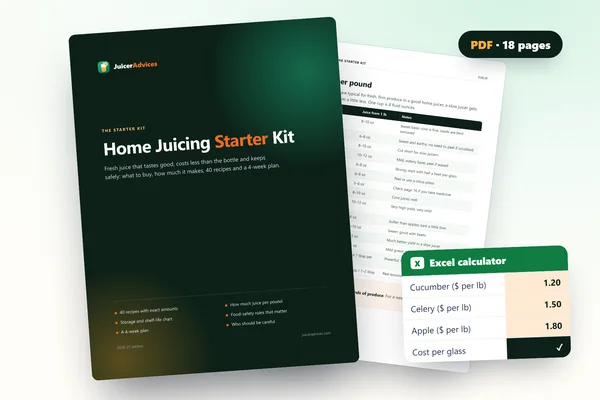 Home Juicing Starter KitMake fresh juice that tastes good, costs less and keeps safely: 40 recipes with exact amounts, a yield chart and a 4-week plan.40 juice, smoothie and shot recipesYield, storage and food-safety chartsCost, yield and shopping-list calculator (Excel)
Best storage practices to extend shelf life
Refrigerate immediately after opening at 35–40°F. Do not leave it on the counter for more than 2 hours total. If you’re at a picnic or beach, keep it in a cooler with ice packs.
Transfer leftover coconut water to a clean glass container with an airtight lid if the original package cannot be resealed properly. This reduces oxygen exposure and prevents odor absorption from the fridge.
Freeze it if you cannot finish within 3 days. Pour into ice cube trays, freeze, then transfer cubes to a freezer bag. They will keep for 2 to 3 months. Thawed coconut water is great for smoothies or cooking, though the texture will be slightly grainy for drinking straight.
Use the same logic as milk: if you wouldn’t drink milk that sat out for hours, don’t drink coconut water that did. The low acid makes it equally perishable.
Keep the container away from the fridge door where temperatures fluctuate most. Place it in the back or on a middle shelf.
For a broader look at other beverages, check our opened juice shelf life guide. It covers apple, orange, and other common juices with similar storage rules.
More drink storage & shelf life guides on JuicerAdvices.
Frequently asked questions
Can you freeze coconut water?
Yes. Freezing extends the shelf life to 2–3 months. The texture changes slightly because some solids settle out, but it works well for smoothies, soups, or recipes. Thaw in the fridge overnight and shake before using.
Does coconut water go bad if left out overnight?
Discard it. After 2 hours at room temperature (or 1 hour above 90°F), bacteria levels can become unsafe. Coconut water’s low pH doesn’t protect it like acidic drinks do. Do not risk it.
How long after the expiration date can you drink coconut water?
Unopened and stored properly, a few days past the date may still be safe if the seal is intact and it smells normal. Once opened, the expiration date no longer applies. Use the 2–3 day rule after opening regardless of the printed date.
Why does my coconut water taste fizzy?
Fizz means fermentation. Wild yeasts or bacteria have converted some sugars into carbon dioxide and alcohol. It is no longer safe to drink. Discard it immediately. Do not try to boil or salvage it.
Can I drink coconut water directly from a fresh coconut after cracking?
Yes, but consume it within a few hours. The natural enzymes and lack of pasteurization cause rapid spoilage. Refrigerate any leftover and use within 24 hours. Do not drink from a coconut that has visible mold, cracks, or leaks before opening.
Key takeaways
- Refrigerate opened coconut water immediately; don’t let it sit out.
- Consume within 2 to 3 days for carton and canned types; 24 hours for fresh young coconut.
- Always smell before drinking. Sour or fermented odor means it’s spoiled.
- Pour into a clean glass rather than drinking from the container to avoid contamination.
- Freeze leftovers in ice cube trays if you can’t finish them in time.
- Ignore the ‘best by’ date after opening; it applies only to sealed storage.
- For tap water that might affect the taste when mixing, a filter like the CuZn UC-200 improves overall quality — check its current price on Amazon.
For citrus-based comparisons, our lemon juice refrigerator life article provides similar timelines. And if you want to extend shelf life through low-oxidation juicing, see the cold press juicer guide on JuicerAdvices.