How Long to Wait Before Eating After a Detox Drink: Stop 2 Hours Before
On this page 6 sections
- How Long to Wait Before Eating After a Detox Drink for Procedure Prep
- Which Detox Drinks Are Safe to Drink Before Your Procedure
- Who Should Avoid or Limit Detox Drinks Before Procedures
- What to Drink and Eat After Your Procedure
- Steps to Follow Before and After Your Procedure Regarding Detox Drinks
- Frequently Asked Questions
If you have a colonoscopy, surgery, or blood test coming up, your drink choices and timing matter. Detox drinks vary in ingredients, and their sugar, caffeine, acidity, and electrolyte content can affect your procedure prep.
The general rule for fasting before anesthesia is to stop clear liquids about 2 hours before. Detox drinks count as liquids only if they are clear and free of pulp, milk, or red/purple dyes. Your own procedure instructions always take priority.
How Long to Wait Before Eating After a Detox Drink for Procedure Prep
For procedures with anesthesia or sedation, a detox drink does not create a separate waiting period before eating; the usual food cutoff is 6 to 8 hours before, and all clear liquids stop 2 hours before the start time. That gives your stomach time to empty and lowers the chance of aspiration, meaning stomach contents going into your airway. If your appointment is only a PSA blood test, you can usually eat and drink normally; eating before a PSA test explains that exception.
Solid food leaves the stomach more slowly than water or other clear liquids, so clinics use a longer fast for meals than for drinks. The exact cutoff can change for colonoscopy, surgery, or imaging, and your clinic’s prep sheet overrides any general rule.
Which Detox Drinks Are Safe to Drink Before Your Procedure
You can drink water, clear herbal teas without dyes, and clear electrolyte drinks without added sugar or excessive potassium up to 2 hours before your procedure. These meet the clear liquid criteria and help keep you hydrated.

Avoid detox drinks that contain milk, cream, pulp, red or purple dyes, or high amounts of sugar. These ingredients slow stomach emptying or can stain your digestive tract, which may interfere with your procedure or prep quality.
Caffeine is usually allowed in small amounts before procedures, but it’s best to keep it under about 200 mg because higher amounts could cause dehydration or raise your heart rate.
If you have kidney or heart conditions, watch sodium and potassium levels in your detox drink. Some electrolyte drinks contain high sodium or potassium that might not be safe for you. Always check your labels and ask your healthcare team if you have concerns.
You can usually drink detox tea before surgery if it’s a clear herbal variety without milk or dyes. For colonoscopy prep, clear detox drinks are allowed up to the 2-hour cutoff to keep your bowel clean and hydrated.
Who Should Avoid or Limit Detox Drinks Before Procedures
For a PSA blood test, you can usually eat and drink normally; food or drink does not usually change the PSA result. Follow the lab or urology instructions if they differ, and see eating before a PSA test for the details some clinics use.
People with kidney disease should be stricter about detox drinks that use coconut water, orange juice, fruit juice blends, or electrolyte powders. When the kidneys filter less, potassium can build up in the blood, so plain water is usually the safer pick unless your care team gives you a different plan.
If you have diabetes, sugary juices and fruit smoothies can raise blood sugar fast. Whole fruit is usually gentler than juice because the fiber stays with the fruit, but on prep day the clinic’s clear-liquid rules still come first; ask which sugar-free drinks they want you to use if your instructions are specific.
Reflux, gastroparesis, and a history of nausea are good reasons to skip acidic, carbonated, caffeinated, or vinegar-based detox drinks. Those ingredients can sting the esophagus, add gas, or leave your stomach feeling full longer, which can make sedation harder on you.
Skip homemade baking soda-and-vinegar drinks before a procedure. They can create gas and bloating, and they are not a standard prep drink.
If you take prescription medicines, ask your pharmacist about caffeine or herbal detox teas before you drink them. Stimulants can raise heart rate or blood pressure, and some herbs can change how drugs are absorbed or broken down.
What to Drink and Eat After Your Procedure
Start rehydrating after your procedure with small sips of water or clear electrolyte drinks free of dyes and added sugars. This gentle approach helps replace fluids lost during fasting and supports recovery.
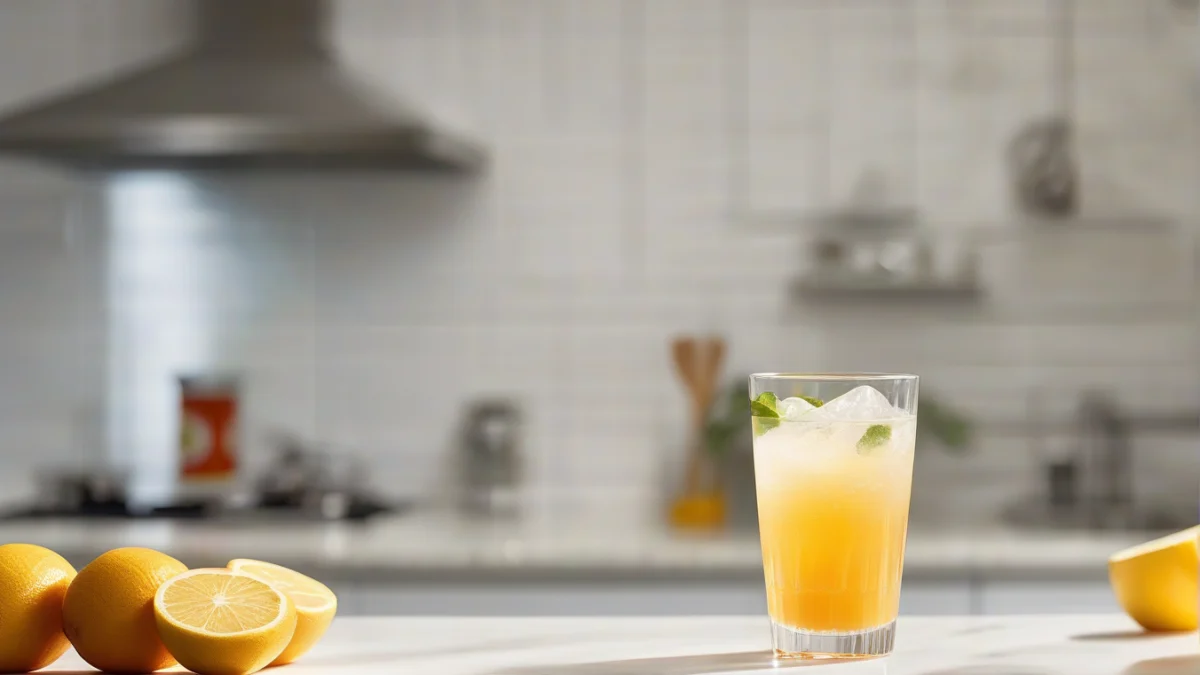
Avoid alcohol, milk, and heavy or fatty foods initially. These can irritate your stomach or slow digestion, making nausea or discomfort worse. Stick to clear liquids and light options at first.
Gradually reintroduce light foods like broth, toast, or soft fruit once you tolerate liquids well. This stepwise approach eases your digestive system back to normal without overwhelming it.
Hydration after sedation reduces nausea and helps your body recover faster. Clear fluids keep your stomach calm and support healthy blood pressure and kidney function after the procedure.
If nausea, vomiting, abdominal pain, or dehydration signs persist beyond 24 hours, contact your care team. Timely advice can prevent complications and ensure safe recovery.
You can usually eat a normal meal within 24 hours after your detox drink and procedure, but listen to your body and follow your care provider’s instructions. For colonoscopy recovery, clear liquids followed by light foods are safest, progressing as tolerated.
Steps to Follow Before and After Your Procedure Regarding Detox Drinks
Stop all clear liquids, including detox drinks, at least 2 hours before your procedure to keep your stomach empty and safe for anesthesia. That means no water or other clear drinks during this time.
How long to wait before eating after a detox drink depends on your procedure schedule, but generally you should not eat any solid food after drinking a detox drink within 2 hours of your procedure.
For a colonoscopy, stop drinking water and all other clear liquids at least 2 hours before the procedure to ensure your bowel is clear and your stomach empty.
If you accidentally drink too close to your procedure time, inform your care team immediately. It may affect the procedure timing or safety.
Following this timeline helps protect your airway during anesthesia and improves the quality of your procedure.