How Cranberry Juice Neutralizes Free Radicals for Better Health
On this page 7 sections
- How Cranberry Juice Neutralizes Free Radicals for Better Health
- Choose Unsweetened Cranberry Juice to Avoid Added Sugar
- How Cranberry Concentrate Preserves Antioxidants Longer
- How Much Cranberry Juice to Drink for Measurable Antioxidant Effects
- Who Should Be Careful With Cranberry Juice Intake
- Checklist Before Your Next Cranberry Juice Drink or Purchase
- Questions People Ask
Cranberry juice is often praised for its health benefits, especially its antioxidant properties. These antioxidants help neutralize free radicals—unstable molecules that can damage cells and contribute to aging and chronic diseases.
Understanding how cranberry juice works at the molecular level helps you choose the right type and amount to support your health effectively, avoiding added sugars and maximizing benefits.
How Cranberry Juice Neutralizes Free Radicals for Better Health
Cranberry juice neutralizes free radicals by donating electrons from its rich antioxidants, reducing oxidative stress and supporting cell health. Its unique mix of proanthocyanidins, flavonoids, and vitamin C works together to protect your body at the cellular level.
Free radicals are unstable molecules that can damage cells by stealing electrons, causing oxidative stress linked to aging and chronic diseases. Cranberry antioxidants act as electron donors, stabilizing these molecules and preventing that damage.
Proanthocyanidins, a class of plant compounds found abundantly in cranberries, are especially effective at neutralizing free radicals. Flavonoids add another layer of antioxidant protection, and vitamin C supports immune function while also scavenging harmful molecules.
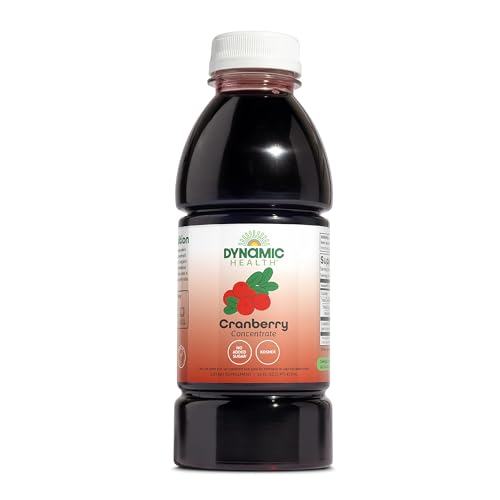
Cranberry juice’s naturally low sugar content matters because excess sugar can increase inflammation and oxidative stress, negating some antioxidant effects. Unsweetened cranberry juice preserves these benefits better than sweetened varieties.
The antioxidants in cranberry juice are bioavailable, meaning your body can absorb and use them effectively. The gut microbiome also helps break down these compounds into forms your cells can readily use, enhancing their protective effects.
Drinking unsweetened cranberry juice may support urinary tract health, reduce oxidative damage, and contribute to overall well-being. Its antioxidant action is part of why it’s a good choice for those seeking a healthful beverage during cold and flu season or when managing chronic health concerns.
Choose Unsweetened Cranberry Juice to Avoid Added Sugar
Unsweetened cranberry juice offers antioxidant benefits without the drawbacks of added sugar, which can increase oxidative stress and counteract some of the juice’s protective effects. Unlike many fruit juices, cranberry juice is naturally tart and low in sugar, so it often doesn’t need sweetening to be drinkable.
Added sugars in fruit juice cocktails raise blood sugar quickly and may increase free radical production, which stresses cells and may worsen inflammation. Choosing cranberry juice without added sugar helps preserve its antioxidant impact and supports overall health better.
To find no-sugar cranberry juice, check the nutrition label for zero or very low grams of added sugar and scan the ingredient list to confirm only cranberry juice or concentrate is present, without high fructose corn syrup or cane sugar.
People with diabetes, prediabetes, or those watching their weight or inflammation should be especially careful with added sugar intake. Unsweetened cranberry juice provides antioxidants while minimizing these risks.
Even if you don’t need strict sugar limits, choosing unsweetened cranberry juice helps avoid unnecessary calories and supports the juice’s natural antioxidant strength better than sweetened versions.
How Cranberry Concentrate Preserves Antioxidants Longer
Cranberry juice concentrate is made by gently removing water from pure cranberry juice, which concentrates its antioxidants and nutrients. This process preserves compounds like proanthocyanidins better than standard juice cocktails, which often include added sugars and fillers that dilute antioxidant levels.
Juice cocktails typically contain added sugars and less actual cranberry content, reducing antioxidant potency and increasing calories. Concentrate bottles list no added sugar, ensuring you get antioxidants without excess sweeteners.
Pasteurization, used to make juice safe, can reduce vitamin C content, but proanthocyanidins are more heat-stable and remain well preserved in concentrate form. This means concentrate still delivers key antioxidant benefits despite processing.
Because concentrate is potent and acidic, it’s best to dilute it with water before drinking to avoid stomach irritation or discomfort. Mixing one part concentrate with three to four parts water is common.
 Home Juicing Starter KitMake fresh juice that tastes good, costs less and keeps safely: 40 recipes with exact amounts, a yield chart and a 4-week plan.40 juice, smoothie and shot recipesYield, storage and food-safety chartsCost, yield and shopping-list calculator (Excel)
How Much Cranberry Juice to Drink for Measurable Antioxidant Effects
Drinking about 8 oz (one glass) of cranberry juice daily can produce measurable antioxidant effects in the blood. Clinical studies show that this amount raises antioxidant markers within hours, protecting cells from oxidative stress.
Antioxidant levels typically peak between 1 to 3 hours after drinking cranberry juice, so timing matters if you want the benefits around certain activities or meals. However, these effects are temporary unless intake is regular.
Consistent daily consumption is key for sustained antioxidant support. Drinking one glass a day helps maintain reduced oxidative stress over time, which may support overall cell health and reduce inflammation.
More than one glass daily does not necessarily increase benefits and can add unnecessary calories or sugar, especially if the juice is sweetened. Sticking to about 8 oz daily balances effects with moderation.
Besides antioxidants, cranberry juice supplies vitamin C and special plant compounds such as proanthocyanidins that add to its health effects. Including it regularly in your diet supports your body’s fight against free radicals.
Who Should Be Careful With Cranberry Juice Intake
Unsweetened cranberry juice offers antioxidant benefits with less added sugar, making it a better choice for many people. Still, some should be cautious before drinking it regularly.
The acidity of cranberry juice can cause stomach irritation or discomfort in people with sensitive stomachs, acid reflux, or ulcers. If you notice burning or nausea after drinking it, try diluting with water or limit intake.
Cranberry juice may interact with certain medications, especially blood thinners like warfarin. This interaction can affect how your medication works, so consult your healthcare provider before adding cranberry juice to your routine if you take these drugs.
Added sugars in cranberry juice cocktails can raise blood sugar levels and worsen insulin resistance. People with diabetes or prediabetes should choose unsweetened versions and watch their portion sizes carefully.
When in doubt, check with your doctor or pharmacist about cranberry juice, especially if you have stomach issues or are on medication. They can offer guidance tailored to your health needs and ensure it’s safe for you.
Checklist Before Your Next Cranberry Juice Drink or Purchase
Look for cranberry juice labeled “no added sugar” to avoid extra sugars that reduce its antioxidant benefits and may increase oxidative stress.
Choose pure cranberry juice or a concentrate made solely from cranberries without added juices or sweeteners to get the full antioxidant effect.
If using concentrate, dilute it according to the package directions—usually about one part concentrate to three parts water—to keep the taste balanced and avoid excessive acidity or sugar intake.
Limit your cranberry juice intake to about 8 oz (one glass) daily. This amount supports antioxidant benefits without overloading on natural sugars or acidity, especially if you have a sensitive stomach.
Check with your healthcare provider before adding cranberry juice regularly if you take blood thinners, certain antibiotics, or have a history of stomach irritation. Cranberry juice can interact with some medications and may cause discomfort in sensitive individuals.