Cranberry Juice Antioxidants: 7 Powerful Health Benefits
On this page 6 sections
Cranberry juice stands out for its unique antioxidants that offer more than just flavor. These compounds help your body in several ways, from supporting urinary tract health to promoting cardiovascular function.
Choosing the right cranberry juice matters: unsweetened versions provide antioxidants without the added sugars that can offset benefits.
Cranberry Juice Antioxidants: 7 Powerful Health Benefits
Cranberry juice antioxidants are good for you in moderate amounts. Drinking about 8 oz (one cup) daily provides antioxidants called proanthocyanidins and vitamin C, which support urinary tract health and may modestly benefit heart health. These compounds work by reducing bacteria adhesion in the urinary tract and lowering inflammation in blood vessels.
Proanthocyanidins are unique plant compounds in cranberry juice that prevent bacteria, especially E. coli, from sticking to the urinary tract walls. This reduces your risk of infection and supports bladder health. Unsweetened juice is key because added sugar can counteract these benefits and raise calorie intake.
- May reduce the risk of urinary tract infections by helping prevent bacteria from sticking to the urinary tract lining
- Supports heart health by reducing oxidative damage to blood vessels
- May improve immune function through antioxidant activity
- Helps reduce inflammation linked to chronic diseases
- Protects cells from oxidative stress caused by free radicals
- Supports oral health by inhibiting bacteria growth in the mouth
- Provides vitamin C and other antioxidants like quercetin that contribute to overall wellbeing
A typical 8 oz serving of unsweetened cranberry juice provides about 25 to 40 mg of proanthocyanidins along with vitamins C and E. These antioxidants neutralize free radicals—unstable molecules that damage cells and contribute to aging and disease. By neutralizing free radicals, cranberry antioxidants help maintain your body’s healthy balance.
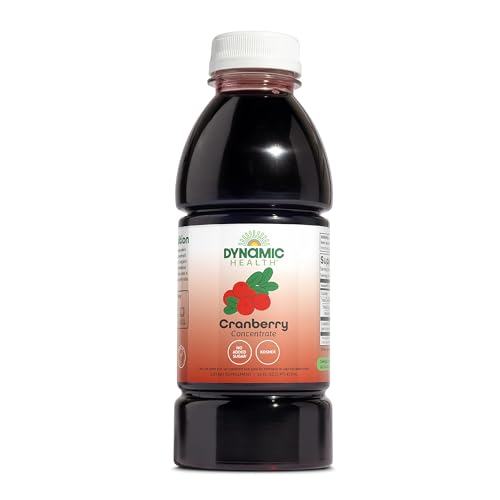
The antioxidant mechanism works by donating electrons to free radicals, stabilizing them and preventing cell damage. This process lowers oxidative stress, which is linked to inflammation and chronic disease risks. Unsweetened cranberry juice offers these antioxidants without the drawbacks of added sugars that can promote inflammation.
Drinking about one cup (8 oz) daily is enough to deliver these benefits. Larger amounts won’t necessarily increase effects and may add unwanted calories if the juice is sweetened. Unsweetened juice also helps you avoid blood sugar spikes important for many health conditions.
Check the Label for Added Sugar and Nutrients
Check the nutrition label for added sugars and calories before buying cranberry juice. Many commercial varieties add sugar to balance tartness, which can raise blood sugar and calorie intake. Choose unsweetened or low-sugar options when possible to avoid excess added sugars and support overall health.
Drinking unsweetened cranberry juice delivers the most antioxidant power because added sugar can dilute the health effects. Sugar adds calories without nutrients and may increase inflammation, which offsets some antioxidant benefits.
Typical cranberry juice cocktails contain about 25 to 30 grams of sugar per 8 oz (one cup) serving, roughly 100 to 120 calories, plus small amounts of sodium and potassium. Unsweetened cranberry juice often has 0 to 4 grams of natural sugar and around 15 to 20 calories per 8 oz, with similar minerals but no added sugar.
| Type of Cranberry Juice | Sugar (g) per 8 oz | Calories per 8 oz | Sodium (mg) | Potassium (mg) |
|---|---|---|---|---|
| Unsweetened | 0 to 4 | 15 to 20 | 5 to 10 | 50 to 70 |
| Typical Cranberry Cocktail | 25 to 30 | 100 to 120 | 10 to 15 | 50 to 70 |
Reading the nutrition label carefully helps you spot added sugars listed under names like corn syrup, sucrose, or fructose. Serving size matters too—some bottles show nutrition for just 4 oz, so check how much you actually drink.
Who Should Limit or Avoid Cranberry Juice
Unsweetened cranberry juice has health benefits, including antioxidant support and urinary tract health, but some people should be cautious. The juice’s natural acidity and oxalate content can pose risks for those with kidney problems or a history of kidney stones.
If you take warfarin or similar blood thinners, cranberry juice might increase bleeding risk by enhancing the drug’s effect. Always follow your doctor’s specific advice rather than general rules about cranberry juice and medication.
Women during their periods may find unsweetened cranberry juice helpful due to its antioxidant and anti-inflammatory properties, but those with kidney issues or on certain medicines should still check first.
 Home Juicing Starter KitMake fresh juice that tastes good, costs less and keeps safely: 40 recipes with exact amounts, a yield chart and a 4-week plan.40 juice, smoothie and shot recipesYield, storage and food-safety chartsCost, yield and shopping-list calculator (Excel)
Safer Alternatives to Cranberry Juice for Antioxidant Support
Grape juice is a good alternative if you want antioxidant benefits similar to cranberry juice, especially for heart health. It contains flavonoids and resveratrol, compounds linked to improved blood vessel function and reduced inflammation.
Tea blends that include turmeric or ginger offer antioxidant support with less sugar and acidity than cranberry juice. Turmeric contains curcumin, a potent antioxidant and anti-inflammatory compound, while ginger adds digestive benefits and mild antioxidant effects.
Compared to cranberry juice, grape juice and antioxidant teas generally have lower acidity, which may be gentler on sensitive stomachs or reflux-prone individuals. Sugar content varies widely, so check labels carefully to avoid added sugars that can offset health benefits.

Apple cider vinegar mixed with cranberry juice is sometimes used for its combined antioxidant and digestive effects, but it is more acidic and may not suit everyone. For gentler antioxidant options, unsweetened fruit juices or herbal teas are preferable.
To learn more about antioxidant compounds and how different juices compare, check our guides on powerful health benefits of antioxidants in cranberry juice and cranberry juice antioxidants for heart health.
Side Effects and When to Call Your Doctor
Cranberry juice provides antioxidant support and may benefit urinary tract and bladder health, especially for women. However, drinking more than about 8 to 12 ounces daily can cause side effects like stomach upset or increased risk of kidney stones due to oxalate content.
Cranberry juice is not a treatment for active urinary tract infections or other bladder issues. If you have symptoms such as burning, frequent urination, or pain, see your healthcare provider for diagnosis and treatment.