Cold press juicers, also called masticating juicers, extract juice by slowly crushing fruits and vegetables to preserve nutrients and flavor. However, some models can be tricky to clean, which discourages regular use.
This article explains what makes a cold press juicer easy to clean, what features to look for, and how to balance convenience with juice quality and yield.
Easy to Clean Cold Press Juicer: What It Means
An easy to clean cold press juicer is designed with features that minimize your effort while maintaining juice quality. These juicers have parts that come apart quickly and fewer fine mesh screens, reducing the common hassle of pulp buildup and stuck residue.

Cold press juicers extract juice using a slow masticating process that crushes and presses fruits and vegetables gently. This method produces less heat and foam, but cleaning remains a concern because pulp can clog delicate mesh filters and small crevices.
The best way to clean a juicer involves removing and rinsing detachable parts promptly after use. Juicers that include mesh-free juice chambers or quick-release components shorten this step. Brushes designed for tight spots also help remove pulp without damaging parts.
Common cleaning challenges include scrubbing the fine mesh screens that catch pulp, clearing pulp buildup around the auger and discharge areas, and dealing with many small parts that require careful assembly. If these parts aren’t easy to separate or rinse, cleanup can take 10 to 20 minutes or more.
Design features that simplify cleaning include smooth surfaces where pulp doesn’t stick easily, sealed augers that prevent clogging, and snap-fit or twist-lock parts that come apart without tools. Some models come with cleaning brushes sized for their specific parts, speeding the process.
| Cleaning Challenge | Design Feature to Simplify |
|---|---|
| Mesh screen clogging | Mesh-free juice chamber or easily removable filter |
| Pulp buildup in auger | Sealed, smooth auger surface |
| Multiple small parts | Quick-release or snap-fit assembly |
| Hard-to-reach spots | Included detail brushes |
An easy to clean juicer means less time scrubbing and more time enjoying fresh juice. It also reduces pulp residue that can spoil the next batch or affect taste. Regular and easy cleaning keeps your machine running smoothly and your juice fresh longer.
How a Cold Press Juicer Works
A cold press juicer extracts juice by slowly crushing and pressing produce instead of using high-speed spinning blades. This slow masticating process usually runs at 40 to 80 rotations per minute, much slower than centrifugal juicers that spin at thousands of RPM.
The slow speed produces less heat and prevents oxidation, which means the juice retains more nutrients and stays fresher longer. It also creates less foam and separates juice cleanly from pulp, improving taste and texture.
Because a cold press juicer works gently, it preserves enzymes and vitamins that fast spinning can degrade. This makes it popular for people who want nutrient-rich juice with minimal nutrient loss during extraction.
Typical parts of a cold press juicer relevant to cleaning include the auger, which crushes the produce; the juice strainer or filter, which separates juice from pulp; the juice and pulp containers; and the body housing. Easy to clean cold press juicers often have fewer or no mesh filters and parts that come apart quickly for rinsing.
| Part | Function | Cleaning Note |
|---|---|---|
| Auger | Crushes and presses fruits and vegetables | Usually smooth, can trap pulp in crevices |
| Juice strainer or filter | Separates juice from pulp | Can have fine mesh that needs brushing |
| Juice container | Collects juice | Easy to rinse |
| Pulp container | Collects pulp | Needs regular emptying and rinsing |

How to Clean a Juicer Quickly and Effectively
Cleaning a cold press juicer right after use is the fastest way to keep it in good shape and avoid stubborn residue. Start by disassembling all removable parts as soon as you finish juicing.

Comparing Easy Clean Features in Cold Press Juicers
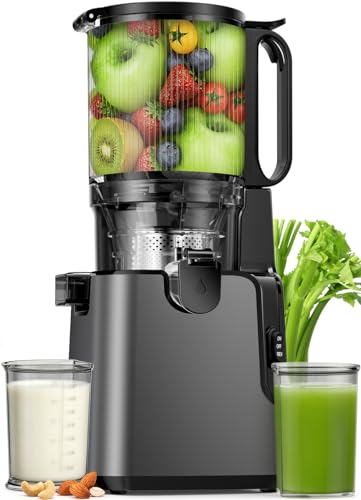
Juicers with easy cleanup usually have quick-release parts, included cleaning brushes, and thoughtful design to speed your routine. Consider these key features when choosing one.
Feed chute size affects how much prep you need. Larger chutes, like 6.0 inches, fit whole fruits and vegetables, saving chopping time and speeding up juicing and cleanup.
Mesh-free juicers avoid clogging common with fine mesh strainers. Without screens to scrub, rinsing the straight-through chamber under water is faster and less frustrating.
A reverse function helps clear jams caused by fibrous produce. It saves you from disassembling the whole juicer during use, cutting down cleaning and prep delays.
Included accessories such as specialized brushes or scrapers make removing pulp from corners and strainers easier, reducing the time you spend scrubbing.
| Feature | Product 1: YPONE | Product 2: Aeitto |
|---|---|---|
| Feed chute size | 5.8 inches, fits large pieces but may need some chopping | 6.0 inches, fits whole fruits and most vegetables, less prep |
| Mesh design | Dual-layer 0.3mm mesh strainers, requires scrubbing | Mesh-free system, rinses quickly without screens |
| Reverse function | Yes, helps clear jams | Yes, helps clear jams |
| Cleaning accessories | Includes cleaning brush | Includes cleaning brush, no mesh screens to scrub |
Choosing a Juicer That’s Easy to Clean
An easy to clean cold press juicer can save you time and hassle, but the best choice depends on your needs and kitchen habits. The YPONE 2-in-1 cold press juicer and the Aeitto 3-in-1 mesh-free juicer both simplify cleanup but in different ways.
The YPONE model features a large 5.8-inch feed chute that handles whole fruits and vegetables, reducing prep time. Its dual strainers with fine 0.3mm mesh minimize clogging and residue, making rinsing straightforward. The parts are designed for quick disassembly, and the included cleaning brushes help remove pulp from the strainers and tight spots.
On the other hand, the Aeitto 3-in-1 juicer stands out with a mesh-free design that eliminates the need to clean or swap mesh screens. Its 6-inch wide mouth lets you juice whole produce with less chopping, and the straight-through chamber rinses easily under running water for faster cleanup. The included cleaning brush targets any stuck pulp without complex disassembly.
This mesh-free system suits users who prioritize the easiest possible cleaning and want to switch between juice, nut milk, and sorbet without fuss. Its large capacity and automatic feeding make it a good fit for families or busy mornings.
Choose the YPONE juicer if you want a powerful machine with high juice yield and don’t mind brushing strainers. Pick the Aeitto if your top priority is cleaning speed and versatility with minimal prep. Both models deliver 99% juice yield and include safety features to protect you during assembly and cleaning.
Checklist Before Your Next Juice or Appointment
How to clean a juicer fast starts before you even juice. An easy to clean juicer needs your prep to be just as thoughtful. Use this checklist to get ready:
Keeping your juicer’s seals in good condition ensures smooth operation and easier cleaning. If you spot cracks or stiffness, replace the seals before your next use.
Setting up a rinse station near your juicer helps you quickly wash parts between batches, preventing pulp from drying and sticking. Cleaning brushes designed for juicer strainers make the job faster and more thorough.
Following these steps before juicing speeds up cleanup, protects your machine, and keeps your juice tasting fresh. Preparing this way also helps you follow your prep diet and liquid limits if you have a procedure like a colonoscopy coming up.
If you find stuck pulp or residue after juicing, soak the parts briefly in warm water before brushing and rinsing to loosen buildup without scrubbing hard.
For detailed tips on how to clean a juicer fast, check this guide. It covers tricks to avoid common cleaning hassles and keep your juicer ready for the next batch.


