Does Starbucks Have White Coffee? Safe Options Explained
On this page 6 sections
- Does Starbucks Have White Coffee? What It Means for You
- Who Should Avoid or Limit Starbucks Blonde Espresso
- Safer Starbucks Drinks for Sensitive Stomachs and Caffeine Limits
- Safe Amounts of Starbucks Blonde Espresso for You
- What to Do Next: Choosing and Ordering Starbucks Coffee Safely
- More Questions, Answered
Say you have just been told to avoid acidic drinks due to reflux but still want a milder coffee taste. Starbucks doesn’t offer traditional white coffee, which is a very light roast with unique features. Instead, they offer Blonde Espresso, a light roast with more caffeine and less acidity than darker roasts.
This article explains why Starbucks doesn’t serve white coffee, what their closest alternatives are, and how to choose the safest option for your health condition.
Does Starbucks Have White Coffee? What It Means for You
Starbucks does not serve traditional white coffee, but their Blonde Espresso is the closest option available. This means if you’re looking for very light roast coffee with higher caffeine and lower acidity, Blonde Espresso is what you’ll find at Starbucks.
Starbucks does not offer white coffee as a regular menu item. Instead, they serve Blonde Espresso, which is a lighter-roasted espresso with a milder, less bitter taste. This is what most people mean when they ask about white coffee at Starbucks. It’s not a separate coffee bean or a special brew but a specific roast level Starbucks uses for their espresso shots.
The term “white coffee” can also mean coffee brewed from lightly roasted beans or espresso with added milk or cream. Starbucks Blonde Espresso is closer to the lightly roasted type, giving a softer flavor and less acidity compared to darker roasts. It’s a popular choice if you want a gentler coffee experience without adding dairy.
Caffeine and acidity levels influence how coffee affects your digestion and alertness. Higher caffeine means a stronger stimulant effect, which can be good or bad depending on your tolerance. Lower acidity usually means less stomach irritation or reflux symptoms, but the caffeine itself may still trigger discomfort in sensitive individuals.
| Coffee Type | Caffeine per 8 oz | Acidity Level |
|---|---|---|
| Starbucks Blonde Espresso | ~170 mg | Lower than dark roast |
| Typical Dark Roast Espresso | ~150 mg | Higher |
| Traditional White Coffee (light roast) | Varies, often higher | Low |
Who Should Avoid or Limit Starbucks Blonde Espresso
People with sensitive stomachs or acid reflux might want to limit Blonde Espresso from Starbucks because lighter roasts can still trigger symptoms, especially if consumed in large amounts. It’s less acidic than dark roast but still contains caffeine, which can irritate the stomach lining or worsen reflux. Try about 4 oz (a single shot) to see how your body reacts before having more.
Though Blonde Espresso is less acidic than darker roasts, it still contains acid that can irritate sensitive stomachs or worsen acid reflux symptoms. Drinking it on an empty stomach may increase this risk, especially if you have gastritis or reflux.
If you wonder, “can I drink Starbucks Blonde Espresso with reflux?” the answer is yes but with limits. About 8 oz per day and not on an empty stomach is safest for most people with reflux or sensitive digestion.
Pregnant people should limit caffeine to about 200 mg daily total, so a single 8 oz cup of Blonde Espresso uses most of that allowance. Kidney disease or heart conditions call for extra care; check with your healthcare team before including Blonde Espresso regularly.
Safer Starbucks Drinks for Sensitive Stomachs and Caffeine Limits
If you find Blonde Espresso too strong or acidic, Starbucks offers drinks with less caffeine and lower acidity. Options include brewed coffee made with their dark roast beans, which some find easier on the stomach, or herbal teas that have no caffeine at all. You can also ask for Blonde Espresso with extra milk or plant-based alternatives to reduce acidity and bitterness.
Yes, Starbucks does have smoothies. These typically come in 12 to 16 oz sizes and are a good non-coffee alternative, though you should watch their sugar content as many include added sugars or fruit juices.
Cold brew coffee with a light roast is also an option for a smoother, less acidic taste, but keep in mind it still contains caffeine, so monitoring your total intake is key.
You can ask your barista for customizations to reduce caffeine and acidity, like ordering a half-caf drink or adding milk or a milk alternative. Milk can buffer acidity and make the drink gentler on your stomach.
- Decaf brewed coffee: about 2 to 12 mg caffeine per 8 oz, much lower than regular coffee
- Herbal teas like mint or chamomile: virtually caffeine-free and soothing for digestion
- Smoothies in 12 to 16 oz sizes: watch for 20 to 40 grams of sugar, depending on flavors and add-ons
- Cold brew with light roast: smoother taste but contains about 150 mg caffeine per 12 oz serving
- Half-caf espresso drinks or milk-based drinks to reduce acidity and caffeine
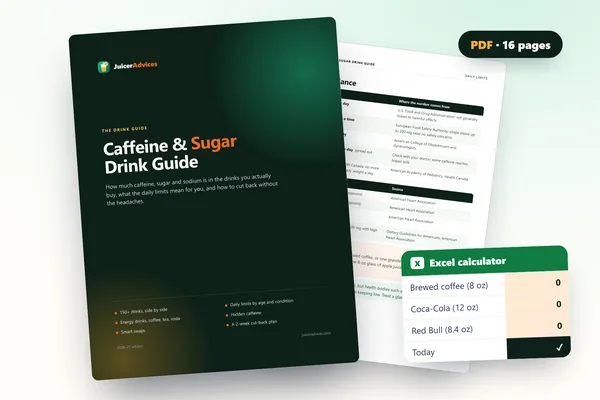 Caffeine & Sugar Drink GuideKnow exactly how much caffeine, sugar and sodium is in 150+ popular drinks, and set daily limits that fit you.Caffeine and sugar in 150+ drinksDaily limits, smart swaps and a cut-back planDaily caffeine and sugar calculator (Excel)
Safe Amounts of Starbucks Blonde Espresso for You
Most healthy adults can safely consume up to about 400 mg of caffeine daily. A Starbucks Blonde Espresso shot has around 85 mg of caffeine, so about 4 shots spread through the day stay within that limit. If you’re sensitive to caffeine or have certain health conditions, aim for less. Always check your own tolerance and the advice from your healthcare provider.
| Health Status | Safe Serving Size of Blonde Espresso | Notes |
|---|---|---|
| Mild reflux or low caffeine sensitivity | Up to 1 shot (1 oz) once daily | Better with food to reduce stomach irritation |
| Moderate reflux or caffeine sensitivity | Up to 0.5 shot (0.5 oz) or dilute with milk | Avoid on empty stomach; monitor symptoms |
| Severe reflux or high caffeine sensitivity | Avoid or consult your care team | Your healthcare advice overrides general guidance |
Drinking Blonde Espresso with a meal can help buffer acidity and reduce reflux symptoms. Avoid drinking it on an empty stomach, which may worsen irritation.
If you have specific health conditions or medications, your care team’s advice should guide your caffeine intake rather than general tables. Always check with your provider if unsure.
| Drink | Caffeine per serving | Servings | Total |
|---|---|---|---|
| Starbucks Blonde Espresso shot (1 oz) | 85 mg | 4 | 340 mg |
| Total | 340 mg | ||
| Daily caffeine limit for most healthy adults (400 mg) | 85% | ||
What to Do Next: Choosing and Ordering Starbucks Coffee Safely
When ordering at Starbucks, specify Blonde Espresso if you want the lighter roast espresso. You can customize drinks with milk, sugar, or dairy alternatives to suit your taste and health needs. If you have stomach issues or caffeine sensitivity, start with small amounts and adjust based on how you feel. Remember, your own clinic or care team’s instructions take priority over general advice.
To order Starbucks Blonde Espresso, ask for a single 8 oz cup with one shot of Blonde Espresso. Adding milk or a milk alternative can help reduce acidity and soothe your stomach.
If you have reflux or gastritis, avoid drinking coffee on an empty stomach. Having food in your stomach helps buffer the acidity and reduces irritation.
Keep your total daily caffeine from all drinks within recommended limits—up to 400 mg for most healthy adults. That’s about four 8 oz cups of regular brewed coffee or their equivalent in espresso shots.
If you’re unsure about how Starbucks coffee fits with your medications or health conditions, check with your care team or pharmacist before changing your drinking habits.