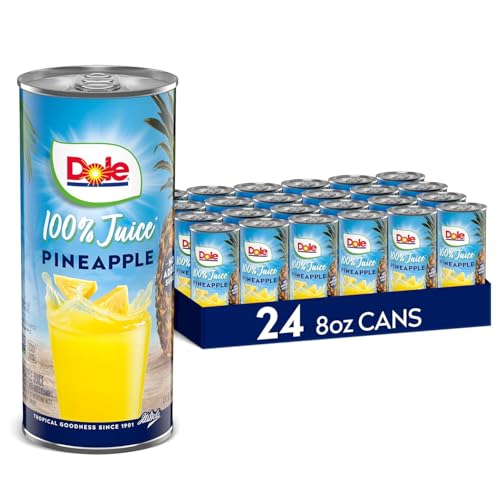
You’ve probably seen the headlines: pineapple juice is a natural anti-inflammatory, a tropical cure for aching joints. Maybe you bought a carton last week, drank it with breakfast, and felt… nothing. That’s because the story is more complicated than the marketing suggests. The active compound, bromelain, does have real clinical backing — but the amount in a typical glass of commercial juice is often too small and too damaged to do much.
This article walks through the actual science, the dosage math, and the practical mistakes that sabotage most people’s efforts. You’ll learn why fresh juice beats store-bought, how much tart cherry juice for inflammation you really need to drink, and whether supplements are a smarter route. By the end, you’ll know exactly what to buy, how to prepare it, and when to skip it entirely.

Dolce Flav
Dolce Flav Pineapple Flavoring Oil for Baking…
- Make pineapple your confectionery signature: Bring a pineapple flavor theme to chocolate, candy and cookies. Create a coordinated…
- More ways to make it yours: Cakes, cookies, frostings, chocolate, candy and pastries. Choose compatible recipes and carry a favori…
- Make the flavor yours: Oil-soluble format for compatible fat-based recipes. Start at the label-recommended level, mix thoroughly a…
If you’re looking to add pineapple flavor to food without the sugar and pasteurization issues, a concentrated extract like Dolce Flav Pineapple Extract lets you get the taste in baked goods, candy, or even a homemade drink — though it won’t deliver bromelain, so it’s a flavor tool, not a health supplement.

What Is Bromelain and How Does It Work?
Bromelain is a mix of proteolytic enzymes found in the stem and fruit of the pineapple plant. Proteolytic means it breaks down proteins — that’s why fresh pineapple makes your mouth tingle and can tenderize meat. But the anti-inflammatory effect isn’t about digesting food. Bromelain works by interfering with the chemical signals that drive inflammation.
Specifically, it reduces the production of pro-inflammatory cytokines like interleukin-6 and tumor necrosis factor-alpha. It also lowers prostaglandins, the compounds that cause pain and swelling. Some research suggests it modulates immune cells directly, calming an overactive response. This isn’t a vague antioxidant story — it’s a targeted enzymatic action with measurable effects on inflammation markers.
One important detail: bromelain is a protein itself. Your stomach acid can denature it, which is why some studies use enteric-coated supplements that survive digestion intact. Juice doesn’t have that protection, so the enzymes start breaking down the moment they hit stomach acid.
The Science: What Clinical Studies Actually Prove
Clinical trials on bromelain go back decades, and the results are mixed but real. A 2026 review in the journal Biotechnology Research International analyzed multiple studies and concluded bromelain shows significant anti-inflammatory and analgesic properties. But most of that evidence comes from supplements, not juice.
Key Inflammatory Markers Affected
Studies measure inflammation through blood markers. C-reactive protein (CRP) is the most common. One small human trial gave bromelain supplements to healthy adults and found a dose-dependent drop in CRP and other inflammatory cytokines within days. Another study on patients with knee osteoarthritis showed reduced swelling and improved mobility after two weeks of bromelain therapy.
Oxidative stress also plays a role. Bromelain doesn’t act as a direct antioxidant, but by reducing the inflammatory cascade, it indirectly lowers oxidative damage. That’s a meaningful distinction — it’s not vitamin C doing the work here.
Arthritis and Joint Pain Evidence
For arthritis specifically, the evidence is promising but not overwhelming. A 2026 randomized trial compared bromelain to the NSAID diclofenac in patients with knee osteoarthritis. Both groups improved, and bromelain was about as effective as the drug for pain relief, with fewer gastrointestinal side effects. That’s a strong result, but the dose was 500 mg of bromelain daily — far more than you’d get from a glass of juice.
Other studies on sinusitis and soft-tissue injuries show similar patterns. Bromelain reduces edema and speeds recovery after surgery or trauma. The consistent theme: doses in the 200–500 mg range, taken on an empty stomach, produce measurable effects. The dose matters more than the source.
The Critical Difference: Fresh Juice vs. Store-Bought
This is where most people go wrong. You grab a bottle of pineapple juice from the shelf, drink 8 ounces, and expect results. That juice probably won’t help, for two distinct reasons.
The Pasteurization Problem
Bromelain is heat-sensitive. Commercial pineapple juice is pasteurized at high temperatures to kill bacteria and extend shelf life. Those temperatures denature the enzymes — they lose their shape and stop working. A 2026 study found that pasteurized pineapple juice retained only a fraction of the bromelain activity found in fresh juice. Some commercial brands even add bromelain back after processing, but that’s rare and not labeled clearly.
Fresh juice from a ripe pineapple is a completely different product. The enzyme activity is intact, and the flavor is brighter, more complex. If you’re serious about using juice for inflammation, you need to make it yourself or buy a product specifically labeled as unpasteurized.
The Sugar and Fiber Trade-Off
Juicing removes the pulp and fiber that slow sugar absorption. A cup of fresh pineapple juice has about 25 grams of natural sugar, and without fiber, it hits your bloodstream fast. That spike triggers an insulin response, and insulin is pro-inflammatory at high levels. You might be fighting inflammation with bromelain while fueling it with sugar.
Whole pineapple is a better choice nutritionally — the fiber blunts the sugar spike and the fruit contains the same bromelain. But you’d need to eat a lot of it. A cup of pineapple chunks has roughly the same bromelain as a cup of juice, but the fiber makes it more sustainable. The trade-off is convenience and absorption speed.
How Much Pineapple Juice Do You Need? (Dosage Reality Check)
Here’s the math that nobody talks about. Clinical studies use 200–500 mg of bromelain daily. Fresh pineapple juice contains roughly 0.5–1 mg of bromelain per milliliter, depending on the ripeness and variety. That means a 250 ml glass of fresh juice delivers about 125–250 mg. So you’d need one to two glasses of fresh, unpasteurized juice per day to hit the therapeutic range.
Store-bought juice? After pasteurization, enzyme activity drops by 50–90%. That same 250 ml glass might deliver only 25–50 mg of active bromelain. You’d need to drink four to eight glasses daily to match the clinical dose — and that’s 100–200 grams of sugar. That’s not a health strategy; that’s a diabetes risk.
Supplements solve this problem. A standard bromelain capsule contains 500 mg of concentrated enzyme with higher activity per milligram than fresh juice. You get the dose in a pill, without the sugar. That’s why most clinical evidence uses supplements — not because juice is useless, but because the logistics don’t work.
How to Maximize the Anti-Inflammatory Effect
If you still want to use juice — and fresh juice is a legitimate option — you need to be strategic about it.
Pairing with Other Foods
Bromelain works better when combined with other anti-inflammatory compounds. Turmeric and black pepper are the classic pairing. Curcumin in turmeric reduces the same inflammatory pathways, and piperine in black pepper boosts curcumin absorption by 2,000%. Mix a shot of fresh pineapple juice with a teaspoon of turmeric and a pinch of black pepper. The flavors actually work together, and the combination targets inflammation from multiple angles.
Quercetin, found in onions and apples, also complements bromelain. Both compounds inhibit histamine release, which makes the combination useful for allergies and sinusitis. A study on asthmatic patients found that a bromelain-quercetin combination reduced airway inflammation more than either alone.
Timing and Preparation Methods
Take bromelain on an empty stomach for maximum absorption. Food competes with the enzyme for digestion, and stomach acid degrades it faster when mixed with a heavy meal. Drink your juice 30 minutes before breakfast or two hours after dinner.
Blend, don’t juice, if you can. A smoothie that includes the whole pineapple keeps the fiber intact, slowing sugar absorption and preserving the pulp that contains additional beneficial compounds. Use a high-powered blender and strain if you prefer a smoother texture, but don’t throw away the pulp.
Never boil or heat the juice. Heat destroys bromelain, so skip the hot pineapple tea unless you’re drinking it for flavor only.
Risks, Side Effects, and Who Should Avoid It
Bromelain is generally safe at food doses, but high doses come with caveats. The most common side effects are gastrointestinal — diarrhea, stomach cramps, nausea. These are more likely with supplements, which deliver concentrated doses.
People with pineapple allergies should obviously avoid it. More importantly, bromelain can interfere with blood clotting. It reduces platelet aggregation, so if you’re on blood thinners like warfarin or aspirin, talk to your doctor first. The same goes for anyone scheduled for surgery — stop bromelain at least two weeks beforehand.
Long-term safety data is thin. No studies track chronic high-dose bromelain use for years, so the effects on kidneys and liver aren’t well documented. The theoretical concern is enzyme overload, but no clinical evidence shows harm at normal doses. Still, if you have pre-existing kidney or liver disease, don’t self-medicate with concentrated supplements.
Pineapple Juice vs. Supplements: Which Is Superior?
| Factor | Fresh Pineapple Juice | Bromelain Supplement |
|---|---|---|
| Bromelain dose per serving | 125–250 mg per glass | 200–500 mg per capsule |
| Enzyme stability | Degrades quickly, must be fresh | Stable, often enteric-coated |
| Sugar content | ~25 g per glass | Zero |
| Clinical evidence | Minimal direct research | Multiple human trials |
| Cost per effective dose | High (3–4 glasses daily) | Low (1 capsule daily) |
| Additional nutrients | Vitamin C, manganese, antioxidants | None |
| Best for | Flavor + mild support | Targeted anti-inflammatory therapy |
For actual inflammation reduction, supplements win on every practical metric. The dose is reliable, the enzymes survive digestion, and there’s no sugar load. Juice is better as a flavorful addition to an anti-inflammatory diet, not the main event. If you’re dealing with chronic joint pain or arthritis, spend your money on a quality bromelain supplement and use fresh juice as a treat.
Final Verdict: Does It Really Reduce Inflammation?
Yes, but with conditions. Fresh pineapple juice contains active bromelain that can reduce inflammatory markers, lower pain, and improve mobility. The science supports it. But the dose needed for clinical effects is higher than most people realize, and the pasteurization process destroys most of the enzyme in commercial products.
Here’s what I’d do if I were you: Start with a bromelain supplement for consistent dosing, and drink fresh pineapple juice occasionally for the nutrients and flavor. If you’re committed to juice, make it yourself, drink it on an empty stomach, and pair it with turmeric. Skip the store-bought cartons entirely — they’re sugar water with a whisper of enzyme.
And if you want the pineapple taste without the sugar or the supplement cost, a concentrated extract like Dolce Flav Pineapple Extract can flavor your water, yogurt, or baked goods. It won’t reduce inflammation, but it’ll satisfy the craving without derailing your efforts.
Common Questions, Straight Answers
Can I drink pineapple juice every day for inflammation?
You can, but you shouldn’t rely on it as your only strategy. Two glasses of fresh juice daily provides a meaningful bromelain dose, but that’s 50 grams of sugar. Your body will handle it better if you spread it out and pair it with fiber-rich foods. Watch your blood sugar and insulin response, especially if you’re prediabetic or diabetic.
Does canned pineapple juice work?
No. Canned juice is pasteurized at even higher temperatures than bottled juice, and the canning process adds another heat cycle. The bromelain is almost entirely inactive by the time it reaches you. If you’re drinking canned pineapple juice for inflammation, you’re wasting your time — and the sugar isn’t doing you any favors.
How long does it take for pineapple juice to reduce swelling?
With a therapeutic dose of bromelain — 200–500 mg — you might notice reduced swelling within 48 to 72 hours. That’s the timeline from clinical studies on soft-tissue injuries. For chronic conditions like arthritis, it takes two to four weeks of consistent use to see meaningful changes. Don’t expect overnight results.
Is frozen pineapple as good as fresh?
Close, but not identical. Freezing preserves bromelain activity better than heat does, so frozen pineapple chunks retain most of their enzyme content. The texture changes, but the nutrition holds. If you can’t get fresh, frozen is a solid second choice. Just avoid canned and pasteurized products.
Can bromelain interact with medications?
Yes. The biggest concern is blood thinners — bromelain can amplify their effects and increase bleeding risk. It also interacts with some antibiotics, increasing their absorption and potentially their side effects. If you take any prescription medication, especially anticoagulants or antibiotics, talk to your pharmacist before starting bromelain supplements.
What to Remember When You Put This Into Practice
- Fresh, unpasteurized juice is the only kind that delivers active bromelain — store-bought is mostly inactive.
- You need 200–500 mg of bromelain daily for clinical effects, which means 1–2 glasses of fresh juice or one supplement capsule.
- Watch the sugar. Two glasses of juice is 50 grams — pair it with fiber or use supplements to avoid the insulin spike.
- Take bromelain on an empty stomach for better absorption, and avoid heat — cooking destroys the enzyme.
- Pair pineapple with turmeric and black pepper for a stronger anti-inflammatory effect than either alone.
- Skip bromelain if you’re on blood thinners or have a pineapple allergy, and stop two weeks before any surgery.
- Supplements beat juice for consistency and dose, but whole pineapple is the best nutritional choice overall.
For more on how pineapple affects your body, check out pineapple juice for swelling and pineapple juice and periods for related context.